
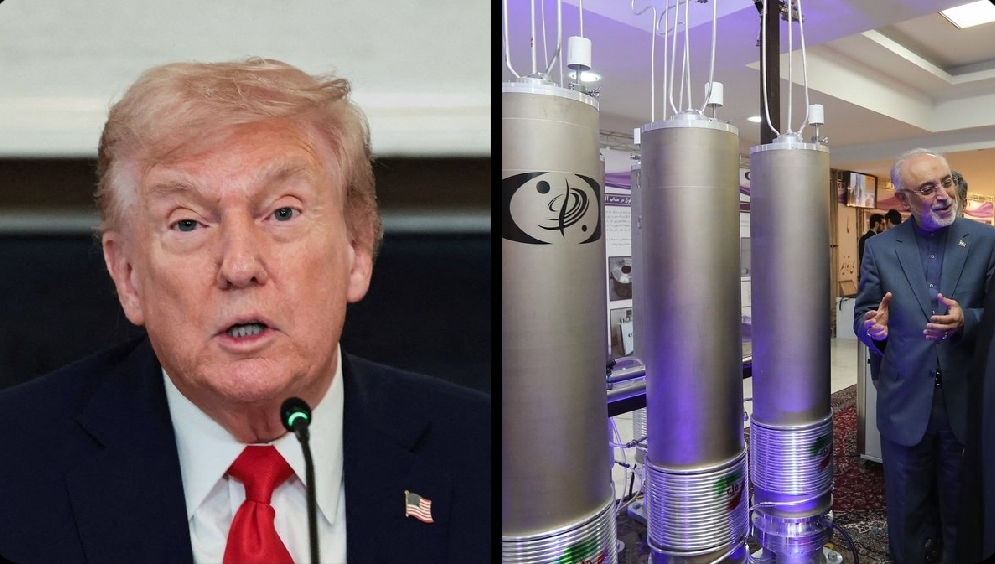
U.S. President Donald Trump has declared that any future agreement reached with Iran would be the “exact opposite” of the Joint Comprehensive Plan of Action, signaling a dramatic departure from the diplomatic framework established during the administration of former President Barack Obama.
The original JCPOA agreement, signed in 2015 between Iran and several world powers, allowed Tehran to continue limited uranium enrichment activities under strict monitoring and temporary restrictions in exchange for sanctions relief and reintegration into parts of the global economy. Supporters argued the agreement successfully delayed Iran’s path toward potential nuclear weapon development, while critics maintained it merely postponed rather than permanently eliminated the threat.
Trump’s latest remarks indicate a much harder negotiating position centered on eliminating rather than managing Iran’s enrichment capabilities. The statement reflects longstanding criticism from conservative policymakers who viewed the Obama-era agreement as overly lenient and financially beneficial to Tehran without permanently dismantling its nuclear infrastructure.
The comments also arrive during heightened regional tensions involving military positioning, economic sanctions, and diplomatic standoffs across the Middle East. Analysts believe the administration’s strategy increasingly prioritizes maximum leverage and structural restrictions over temporary compliance frameworks.
Iranian officials have repeatedly insisted that uranium enrichment represents a sovereign right tied to civilian energy development, making the possibility of a zero-enrichment agreement politically difficult for Tehran to accept. This clash of red lines suggests future negotiations could become even more confrontational than previous rounds of diplomacy.
The statement underscores how deeply divided Washington remains over the legacy of the original nuclear deal and highlights the broader geopolitical struggle over how to contain Iran’s regional ambitions while preventing nuclear escalation.
