
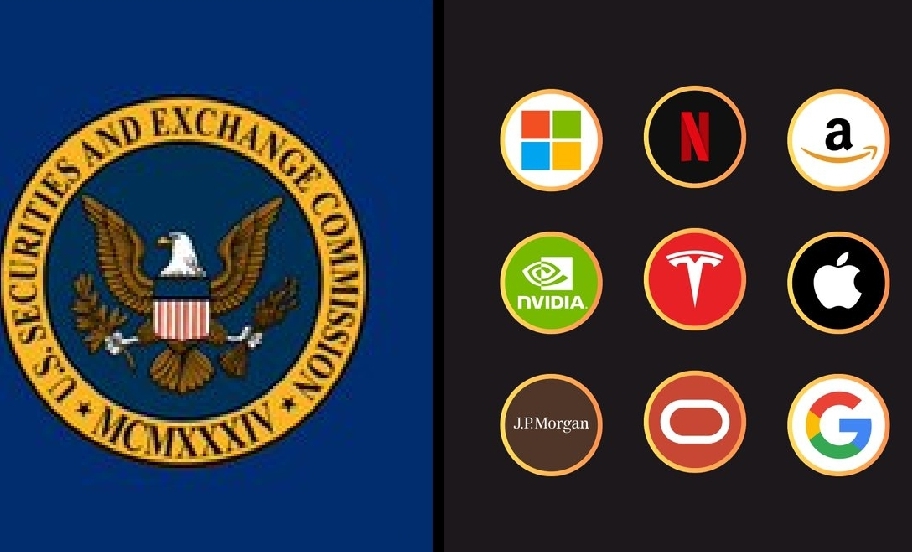
The U.S. Securities and Exchange Commission has reportedly postponed plans to introduce tokenized U.S. stocks following significant resistance from major Wall Street institutions, highlighting growing tensions between traditional finance and emerging blockchain-based investment systems.
Tokenized stocks are digital blockchain representations of traditional equities that allow investors to trade shares using cryptocurrency infrastructure rather than conventional brokerage systems. Advocates argue that tokenization could modernize financial markets by enabling faster settlement times, lower transaction costs, fractional ownership opportunities, and round-the-clock trading accessibility.
However, major financial firms reportedly raised concerns regarding regulatory oversight, market stability, liquidity fragmentation, cybersecurity vulnerabilities, and the potential disruption of existing trading infrastructure. Traditional institutions fear that rapid tokenization without comprehensive safeguards could introduce systemic risks into already complex financial markets.
The SEC’s decision reflects the broader struggle regulators face globally as financial innovation accelerates faster than legal and institutional frameworks can adapt. While blockchain technology continues gaining legitimacy within banking and investment circles, authorities remain cautious about introducing reforms that could destabilize capital markets or weaken investor protections.
Analysts believe the delay does not necessarily signal rejection of tokenized equities but rather indicates regulators are seeking a more measured approach capable of balancing innovation with stability. The debate also reveals a deeper conflict shaping modern finance: whether future markets will remain dominated by centralized institutions or gradually transition toward decentralized digital systems powered by blockchain technology.
