
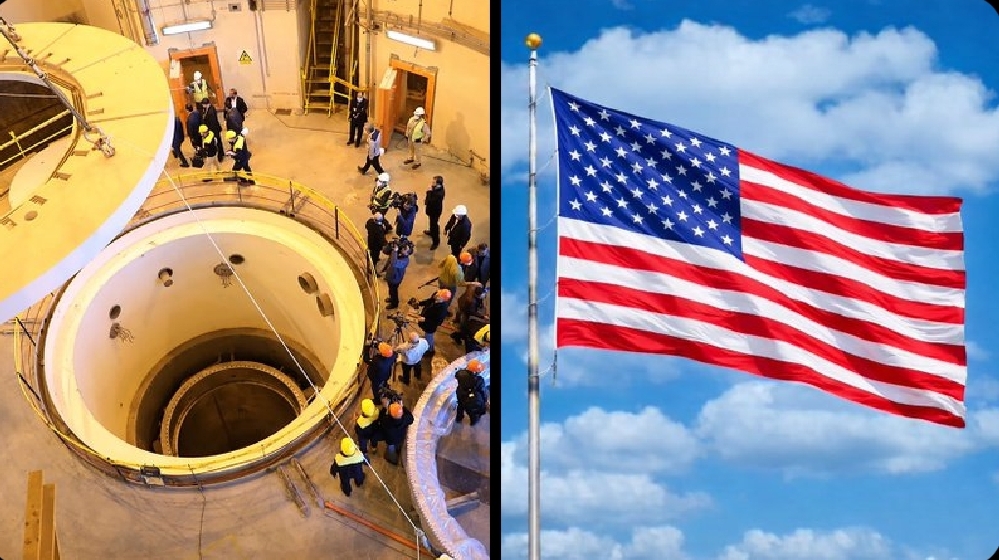
A senior American official has reportedly confirmed that the United States will not release any funds or provide meaningful sanctions relief to Iran unless Tehran fully abandons its nuclear stockpile, signaling an increasingly uncompromising position in ongoing diplomatic tensions between both nations.
The demand centers on Iran’s growing reserves of enriched uranium, which Western governments fear could shorten the timeline required to develop nuclear weapons capability if weaponization were ever pursued. Iranian authorities continue to deny seeking nuclear weapons, insisting their nuclear activities are intended for peaceful civilian energy and research purposes.
The U.S. position reflects a strategy focused on economic pressure as leverage. Over the years, sanctions targeting Iran’s banking system, oil exports, and international trade access have significantly impacted the country’s economy, reducing foreign investment and limiting access to global financial networks. Washington appears determined to maintain those restrictions until more permanent nuclear concessions are secured.
The dispute illustrates the fundamental challenge facing negotiations: Iran seeks sanctions relief and access to frozen financial assets before making major concessions, while the United States demands substantial nuclear rollback measures before easing economic pressure. This deadlock has repeatedly stalled diplomatic progress.
Experts warn that prolonged stalemate increases risks across the region, particularly as tensions involving military deployments, proxy conflicts, and strategic alliances continue intensifying. Yet American officials argue that easing restrictions prematurely could weaken negotiating leverage and embolden Iran’s nuclear development trajectory.
The latest comments reinforce the perception that future diplomacy between Washington and Tehran may depend less on gradual compromise and more on whether either side is willing to fundamentally shift its strategic calculations
