
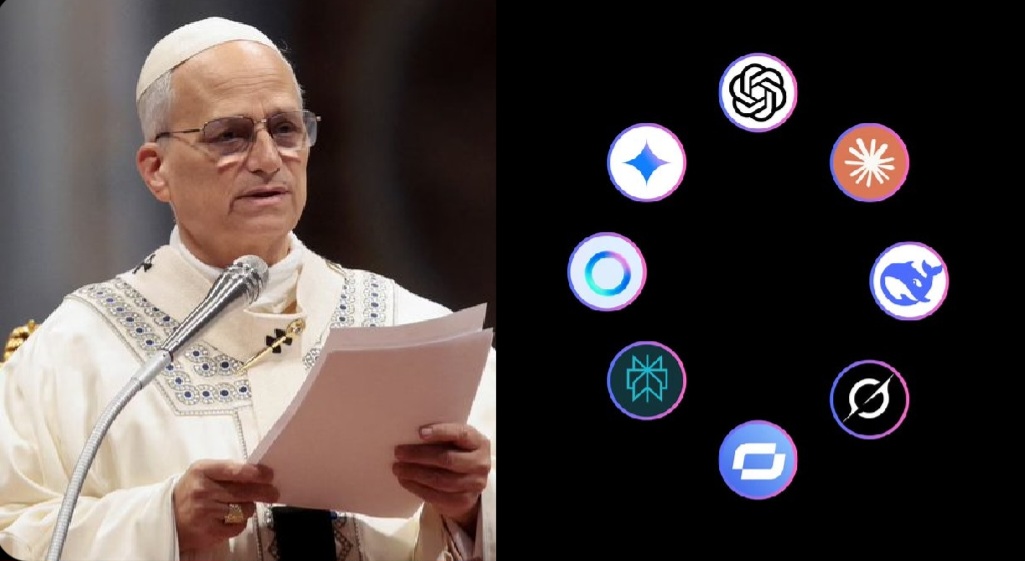
In a bold and timely message that is already sparking global debate, Pope Leo XIV, the first American elected to the papacy, has issued a powerful encyclical cautioning the world about the hidden human costs of artificial intelligence. Elected in May 2025, the pontiff used his early months in office to address one of the most pressing ethical challenges of our time, arguing that unchecked AI development risks creating modern-day slavery through exploitative labor practices and the erosion of human dignity.
In the encyclical, Pope Leo XIV specifically highlights the often-invisible workforce behind the AI revolution. He points to the thousands of workers in developing countries tasked with the grueling and psychologically taxing jobs of data labelling and content moderation—roles essential for training AI models yet frequently marked by low pay, poor working conditions, and exposure to disturbing material. The document also draws attention to the environmental and human toll of rare earth mineral extraction, the raw materials critical for manufacturing the servers, chips, and devices that power today’s AI systems.
These supply chains, the Pope warns, can perpetuate cycles of exploitation and environmental degradation that contradict the fundamental dignity of every human person. The encyclical does not reject technology outright. Instead, it calls for a moral awakening in how AI is developed and deployed. Pope Leo XIV stresses that when artificial intelligence is driven primarily by fierce geopolitical rivalry and commercial competition, it threatens widespread job displacement, undermines personal freedom, and risks reducing human beings to mere cogs in a vast technological machine. Without strong ethical oversight rooted in human values rather than profit or power, society could sleepwalk into a future where technology controls more than it serves. Observers note that the timing of the statement is particularly significant. Major technology companies continue to pour billions into AI research and infrastructure, while governments race to dominate the field.
The encyclical arrives as debates intensify over AI regulation, data privacy, and the future of work. By publishing images of the Pope addressing crowds alongside prominent AI company logos, the Vatican appears to be deliberately framing the conversation as one that concerns not just theologians or ethicists, but every person impacted by rapidly advancing technology.
Pope Leo XIV’s message echoes earlier papal teachings on labor, technology, and human dignity while bringing them firmly into the 21st century. His American background and relatively young perspective may give the document added resonance in tech-forward societies, where enthusiasm for innovation sometimes overshadows consideration of its human and spiritual consequences. As reactions continue to pour in from tech leaders, policymakers, labor groups, and faith communities, one thing is clear: the Vatican under Pope Leo XIV is determined to ensure that ethical and spiritual considerations remain central to the AI conversation.
Whether this encyclical will influence corporate boardrooms or international regulations remains to be seen, but it has undeniably elevated the discussion beyond algorithms and profits to the deeper questions of what it means to be human in an age of intelligent machines. The world will be watching closely to see how governments, companies, and civil society respond to this moral call from the first American Pope.
