
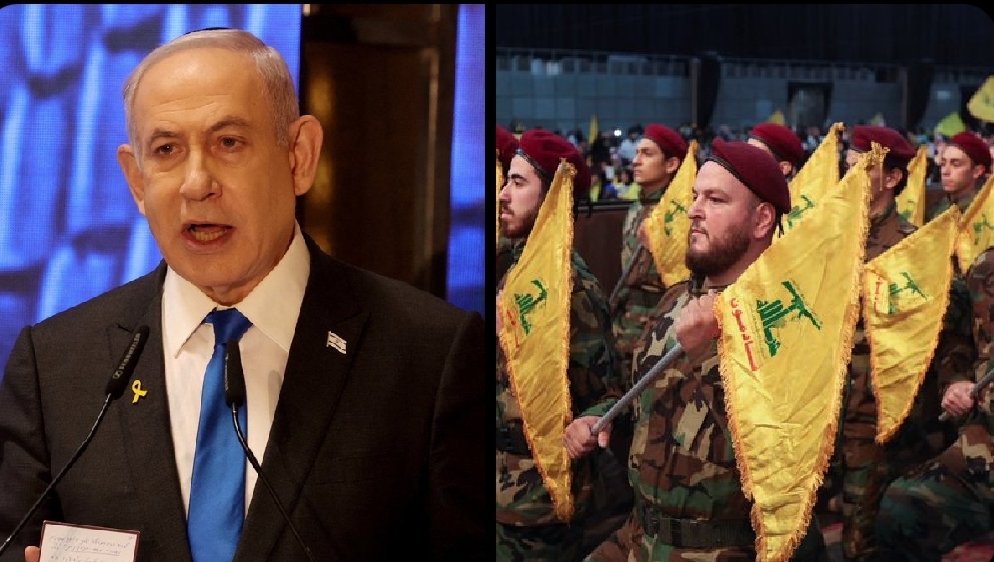
In a significant escalation of the ongoing 2026 Lebanon conflict, Israeli Prime Minister Benjamin Netanyahu has issued a clear directive to strengthen and broaden Israel’s military hold on territories in southern Lebanon that were previously under Hezbollah influence. This move underscores Israel’s determination to establish a more robust security buffer along its northern border, even as a nominal ceasefire remains precariously in place. The announcement comes at a time of heightened tensions, with Israeli forces reported to be intensifying operations beyond the initial zones south of the Litani River. Recent developments include ground advances, airstrikes, and the capture of strategic positions, marking one of the deepest incursions into Lebanon in decades. Netanyahu’s statement, delivered during engagements with military personnel, emphasizes the need to consolidate control over these areas to neutralize lingering threats from Hezbollah infrastructure. Analysts view this directive as a continuation of Israel’s long-term strategy to fundamentally alter the security dynamics in the region.
By pushing operations further and seizing controlling positions, Israel aims to push anti-tank missile and rocket threats farther from its civilian populations. This approach mirrors earlier efforts to create a “security zone” that would prevent infiltration and provide early warning against potential attacks. Despite the April ceasefire agreement, which was intended to pave the way for de-escalation and diplomatic talks, violations and retaliatory actions have persisted on both sides. Israeli officials have highlighted impressive tactical gains, with forces operating across multiple fronts, including areas near the Bekaa Valley and southern suburbs.
Reports indicate that the Israel Defense Forces (IDF) have crossed key geographical markers and are now focused on dismantling remaining Hezbollah capabilities. These actions occur against a backdrop of ongoing rocket fire, drone threats, and sporadic clashes that have tested the limits of the fragile truce. The humanitarian and regional implications of this expansion are profound. Southern Lebanon has seen significant displacement, infrastructure damage, and civilian casualties amid the intensified fighting.
Over a million people have been affected since the broader escalation began earlier in 2026, with international observers expressing concern over the cycle of violence that continues despite diplomatic initiatives. Lebanon’s leadership has called for a full Israeli withdrawal, while Israel maintains that its presence is temporary and defensive, aimed solely at eliminating threats. From a market and global stability perspective, developments in the Israel-Lebanon theater carry wide-reaching consequences. Energy prices, defense stocks, and broader Middle East risk sentiment often react sharply to such escalations. Investors are closely monitoring whether this latest directive signals a prolonged ground campaign or serves as leverage in ongoing negotiations. The involvement of regional actors, including potential Iranian-backed responses, adds another layer of complexity to an already volatile situation.
As photos circulate showing Netanyahu addressing troops alongside imagery of Hezbollah positions, the message is unambiguous: Israel is committed to reshaping the battlefield realities on the ground. Whether this leads to a more durable security arrangement or further entangles the region in conflict remains to be seen. Diplomatic efforts in Washington and beyond continue, but with Israeli forces solidifying their hold, the path to lasting peace appears increasingly challenging. This evolving story highlights the persistent challenges in achieving stability along the Israel-Lebanon border.
As operations expand, the world watches to see if military pressure will yield the security outcomes Netanyahu envisions or prolong the humanitarian crisis in southern Lebanon. Updates will be critical in the coming days as the situation develops.
