
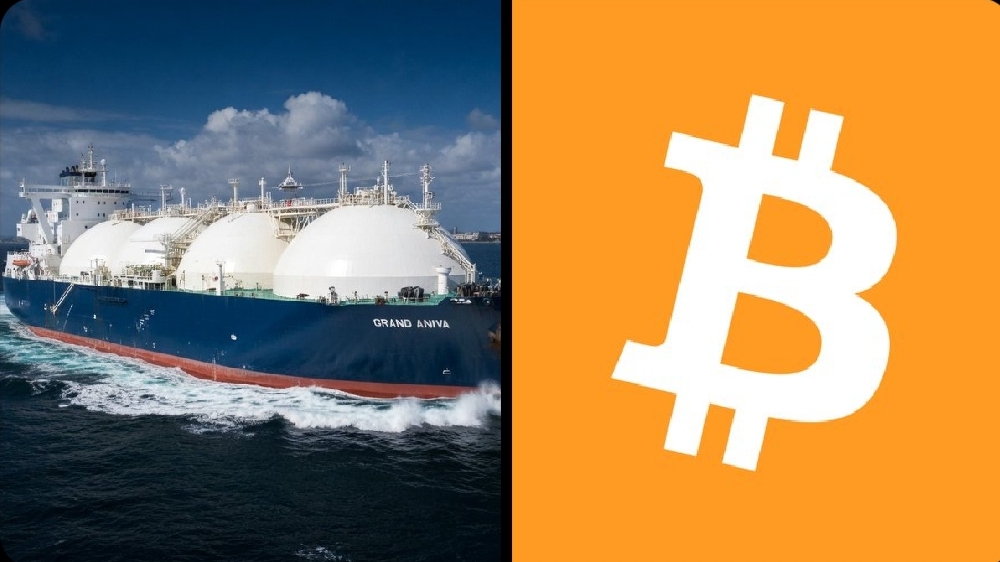
In a striking development that highlights the intersection of geopolitics, cryptocurrency, and global energy security, Iran has announced it has already generated more than $1.5 billion in Bitcoin payments from vessels navigating the strategically vital Strait of Hormuz since the outbreak of recent conflicts.
The claim, shared widely on social media and tied to Iran’s new maritime initiative, underscores Tehran’s innovative efforts to circumvent longstanding international sanctions through digital assets. The revenue stems from the Hormuz Safe platform, a Bitcoin-settled maritime insurance service launched in mid-May 2026 by Iran’s Ministry of Economy and Financial Affairs.
According to reports from state-affiliated outlets like Fars News, the system provides cryptographically verifiable insurance policies and financial responsibility certificates for cargo ships passing through the Persian Gulf, the Strait of Hormuz, and surrounding waterways. Payments are processed directly in Bitcoin (and potentially other cryptocurrencies), offering immediate coverage upon blockchain confirmation and bypassing traditional Western financial systems like SWIFT.
This move comes at a time of heightened tensions in one of the world’s most critical chokepoints for global oil and liquefied natural gas (LNG) trade. The Strait of Hormuz handles roughly 20% of the world’s petroleum shipments under normal conditions. Disruptions from conflict, including attacks on vessels, mines, and imposed restrictions, have significantly reduced traffic in recent months.
Against this backdrop, Hormuz Safe positions itself as a solution for shipping companies and cargo owners seeking “safe passage” guarantees in exchange for crypto premiums. Iranian officials project that the platform could ultimately generate up to $10 billion in revenue, transforming a geopolitical vulnerability into a lucrative revenue stream. By demanding payments in Bitcoin, Iran not only mitigates the impact of sanctions that restrict access to traditional banking and insurance markets but also taps into the borderless, pseudonymous nature of cryptocurrency. This allows for faster, harder-to-intercept transactions that are difficult for international regulators to freeze or seize.
Strategic Implications and Global Reactions
Analysts view Hormuz Safe as a creative workaround to economic isolation. Traditional maritime insurers have often hesitated to cover vessels in high-risk areas like the Strait due to war-risk premiums and compliance concerns. By creating its own state-backed alternative settled in Bitcoin, Iran aims to fill this gap, encourage continued commercial traffic, and assert greater control over the waterway. Early reports suggest the initiative has already attracted participation, contributing to the claimed $1.5 billion haul since hostilities escalated.
For the global shipping industry, the development presents a complex dilemma. Companies must weigh the benefits of insured passage against potential secondary sanctions risks or reputational concerns. Meanwhile, the embrace of Bitcoin by a sanctioned nation further illustrates crypto’s growing role in real-world geopolitics — serving as both a hedge against fiat restrictions and a tool for economic resilience. Critics argue the platform could function more like a de facto toll system, while supporters see it as a pragmatic response to external pressures. As regional ceasefires and negotiations unfold, the long-term success of Hormuz Safe will depend on adoption rates, Bitcoin’s price stability, and the evolving security situation in the Gulf. This bold experiment with cryptocurrency in maritime trade could set a precedent for other nations facing similar constraints.
Whether it delivers on its ambitious revenue targets or sparks new regulatory pushback remains to be seen, but one thing is clear: in an increasingly digital financial world, even strategic waterways are finding new ways to transact. The $1.5 billion milestone may just be the beginning of Iran’s cryptocurrency pivot on the high seas.
