
Table of Contents
Transforming Lives in Madagascar: The Fight Against Lymphatic Filariasis
A Personal Triumph Over Debilitating Disease
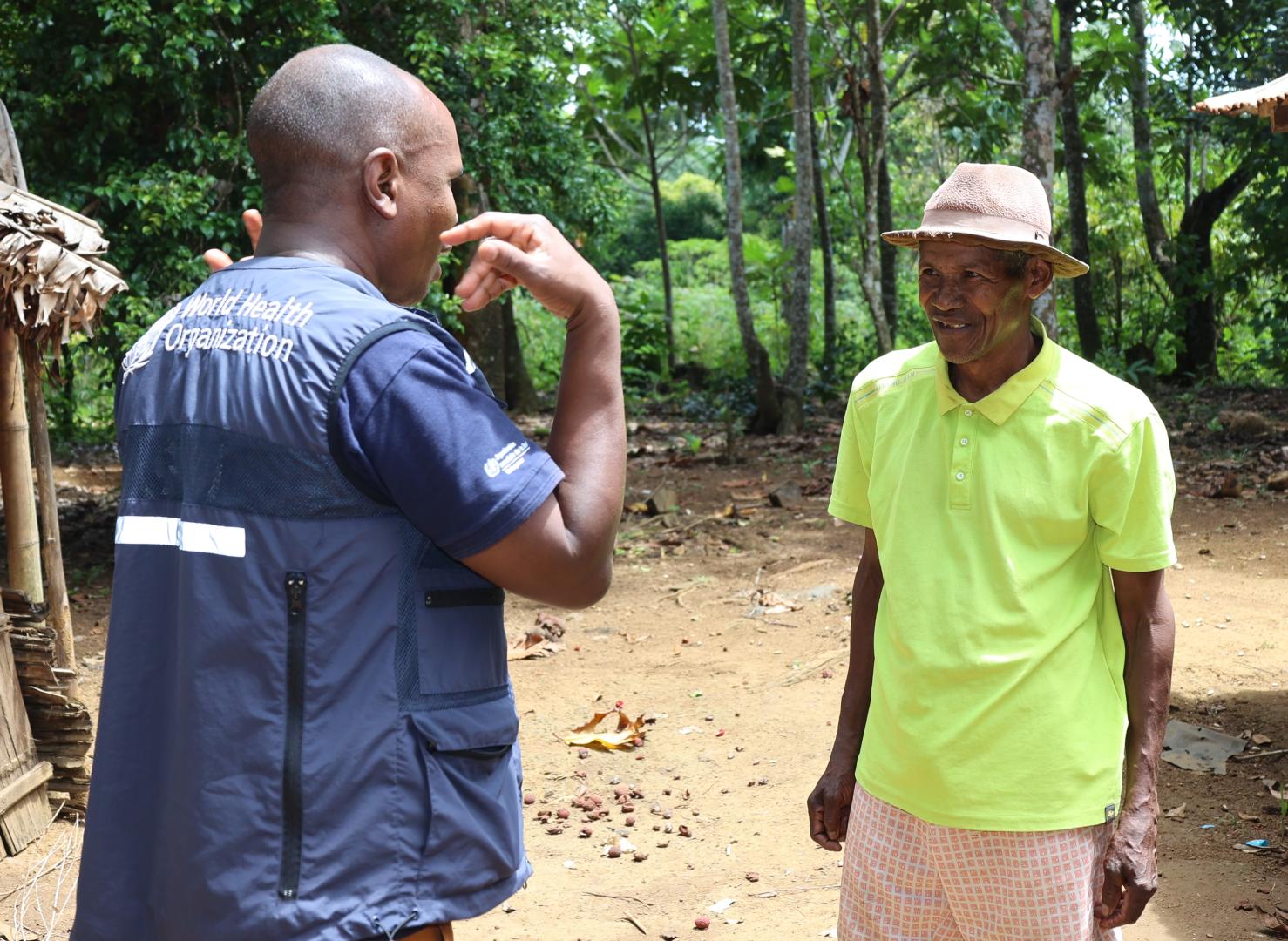
Antananarivo – Julien Ranjaivonirina, a 63-year-old farmer from the Fitovinany region, beams with renewed hope as he shares his story. Once hindered by a persistent hydrocele that severely restricted his mobility and ability to work, Julien now experiences a revitalized daily life after receiving medical treatment. Standing before his modest wooden home, he reflects, “It feels like I’ve been given a new lease on life; I can finally return to my routine as I once did.”
Understanding Lymphatic Filariasis and Its Impact
Lymphatic filariasis, a mosquito-borne parasitic infection, continues to impose a heavy burden on many Malagasy communities. The disease disrupts the lymphatic system, causing chronic swelling known as lymphedema. In advanced stages, this swelling can become severe, thickening the skin in a condition called elephantiasis. For men like Julien, the disease often manifests as hydrocele-fluid accumulation in the scrotum-leading to significant discomfort and disability that complicate everyday tasks.
Current Epidemiological Landscape in Madagascar
Despite notable strides in combating lymphatic filariasis, the illness remains endemic in several parts of Madagascar. The number of affected districts has decreased from 96 between 2018 and 2020 to 87 in 2023, with four districts now in the post-treatment surveillance phase. The 2023 national health survey documented 15,303 lymphedema cases and 14,069 hydrocele cases. In Fitovinany, the situation remains critical: Manakara Atsimo reported 2,922 lymphedema cases, while Vohipeno and Ikongo each continue to report hundreds of cases. These statistics underscore the ongoing challenges faced by rural families already grappling with limited resources.
Strengthening Healthcare Systems and Collaborative Efforts
Addressing these persistent health challenges requires robust healthcare infrastructure and technical assistance. Since 2023, the World Health Organization (WHO) has partnered closely with Madagascar’s Ministry of Public Health to accelerate progress against lymphatic filariasis. This partnership focuses on two main strategies: halting disease transmission through mass drug administration (MDA) and providing comprehensive care for those already affected, particularly individuals with lymphedema and hydrocele.
In a landmark achievement, Madagascar attained nationwide MDA coverage for the first time in 2023, followed by rigorous evaluations to measure intervention success. By 2025, patient care was enhanced in 17 districts through targeted training programs, improved medical supplies, and systematic follow-up.
Enhancing Surgical Care and Medical Training
Between September and December 2025, WHO facilitated the training of 348 healthcare workers, including 17 surgeons specializing in hydrocele treatment. These initiatives have elevated surgical standards, improved patient safety, and expanded access to specialized care in the most affected regions. In October 2025 alone, 61 patients underwent lymphatic filariasis-related surgeries in Tamatave (22 patients) and Manakara (39 patients).
Voices from the Frontline: Commitment to Eradication
Dr. Yvette Ramanantsoa, head of neglected tropical diseases at the Regional Directorate of Public Health in Fitovinany, emphasizes the broader significance of these efforts: “Combating elephantiasis is an investment in human dignity and socio-economic development. While elimination is achievable, it demands unwavering collective dedication.”
On the ground, this dedication manifests through regular awareness campaigns, community engagement, proactive case detection, and free surgical services. Community health workers traverse long distances to educate, support, and guide patients, helping to dismantle stigma and improve healthcare access.
Community Engagement: The Key to Sustainable Success
Dr. Patricia Rasoamihanta-Martin, leader of the NTD program at WHO Madagascar, stresses the indispensable role of community involvement: “Our progress depends not only on treatment but on active participation from communities. Given the severe impact of lymphatic filariasis, especially in rural areas, it is vital that everyone understands the importance of prevention, participates in treatment campaigns, and accesses care promptly.”
Looking Forward: Towards Elimination by 2030
Madagascar’s roadmap aims to eliminate lymphatic filariasis by 2030, focusing on consolidating gains and embedding sustainable practices within the national health system. Surgical teams have already witnessed tangible improvements. At the Regional Hospital Centre of Mananjary, Dr. Rynah Rakotomamonjy, who has been treating patients since 2008, notes that enhanced training has refined surgical techniques, minimized complications, and accelerated patient recovery. “Post-surgery, many patients describe a profound sense of freedom and renewed normalcy,” she shares.
Similarly, Dr. Mampionondray Razafindratovonimanana, head of surgery in Manakara, reports significant progress despite complex cases: reduced swelling, restored mobility, return to work, and diminished social stigma.
Real-Life Stories of Hope and Renewal
These medical advances translate into life-changing outcomes for individuals. Each surgery represents a journey marked by uncertainty, resilience, and hope. In Fitovinany’s villages, patients regain independence, confidence, and the ability to resume long-abandoned activities.
Victor Ratovonirina, a 60-year-old farmer from a nearby village, exemplifies this journey. Living with the disease for nearly a decade, he initially mistook his symptoms for a sports injury. Over time, his condition worsened, affecting his strength, mobility, and social life. After learning about available treatment at a local health center, Victor underwent free surgery. “This operation transformed my life-I feel stronger and optimistic about returning to my fields,” he says.
For Julien, the transformation is equally profound. Before surgery, he struggled with daily tasks and felt diminished. Now, surrounded by family and gazing over his fields, he reflects, “I feel reborn and confident that the future holds better days.” For communities in Fitovinany and beyond, this renewed hope is no longer a distant dream but a tangible reality marked by restored dignity and improved quality of life.
