OYO Gist
  • Home
  • Advertise With Us
  • Breaking News
  • Politics
    • Lagos
    • Oyo State
  • Entertainment
  • Celebrities
  • Business
    • money
    • Technology
  • International
  • People
  • sports
  • Health
Thursday, May 14, 2026
OYO Gist
Your browser does not support the video tag.
  • Home
  • Advertise With Us
  • Breaking News
  • Politics
    • Lagos
    • Oyo State
  • Entertainment
  • Celebrities
  • Business
    • money
    • Technology
  • International
  • People
  • sports
  • Health
Breaking News
Kanye West officially a billionaire according to Forbes, see the breakdown
Here are the Top 10 Afrobeats Albums of the Decade (iTunes)
BREAKING: Supreme Court confirms Gov Seyi Makinde as the elected governor of Oyo State.
Energy Power Struggle: Lavrov Accuses Trump Administration of Global Market Ambitions
India Turns to Coal Gasification as Energy Security Concerns Rise
Australia Cancels First Trump Tower Project as Brand Controversy Grows
José Mourinho’s Possible Real Madrid Return Gains Momentum
Russia Moves to End Dollar Dominance in European Energy Trade
Peter Obi’s London Engagement Signals Renewed Push for Economic Diplomacy and MSME Growth
“The Dream Is Close”: Cristiano Ronaldo Ignites Global Buzz as Football History Beckons
Nigerian Fashion Star Veekee James Welcomes First Child, Shares Emotional Announcement
U.S. Immigration Authorities Uncover Massive ‘Phantom Employee’ Fraud Linked to Foreign Student Work Program
Sergio Ramos Moves Toward Stunning Sevilla Takeover
OYO Gist
OYO Gist
  • Politics
  • Entertainment
  • International
Copyright 2021 - All Right Reserved
Blueprint for National Transformation | Series Six By Amofin Beulah Adeoye
Breaking NewsOyo StatePeople

Blueprint for National Transformation | Series Six By Amofin Beulah Adeoye

by Ayodeji Onibalusi December 4, 2025
written by Ayodeji Onibalusi

Nigeria’s Cultural Renaissance Amidst Infrastructure Challenges

Nigeria’s contemporary identity is marked by a striking paradox that seems almost scripted for dramatic effect. From the vantage points of global cities like London, New York, and Tokyo, Nigeria emerges as a vibrant cultural powerhouse. Afrobeats musicians no longer just fill local venues; they headline massive arenas such as London’s O2 and Brooklyn’s Barclays Center, stages once reserved for Western pop icons. Nigerian fashion designers are reshaping global luxury trends, showcasing innovative textures and silhouettes on prestigious runways. Meanwhile, Nigerian visual artists command six-figure prices at international art fairs like Art Basel and Frieze, as collectors eagerly seek the unique Nigerian aesthetic. The world’s creative industries eagerly anticipate the next wave of innovation from Lagos and Abuja.

The Stark Contrast: Cultural Brilliance vs. Power Deficits

Yet, this dazzling cultural output contrasts sharply with Nigeria’s internal realities. Frequent nationwide power outages plunge cities, industrial zones, and creative hubs into darkness. Studios producing globally celebrated music depend heavily on the relentless noise of diesel generators. Fashion ateliers supplying Parisian runways operate on costly private fuel. Nigeria paradoxically exports cultural “electricity” while grappling with chronic physical power shortages. This creative superpower thrives despite, not because of, its failing infrastructure.

Economic Implications: Beyond Oil Dependency

This contradiction extends beyond culture, touching on Nigeria’s economic sovereignty and diversification efforts. For decades, Nigeria’s economy has been overshadowed by the “Dutch Disease,” where oil dependency stifled other sectors. As global energy markets evolve and oil revenues become less predictable, the creative economy has quietly emerged as a vital growth engine. Current estimates value Nigeria’s creative exports at over $15 billion annually, a figure likely conservative given the vast informal trade in music, film, and fashion. This sector contributes a disproportionately high share to Nigeria’s GDP, far exceeding the African average where creative industries typically account for less than 1%. Nigeria stands out as a creative giant operating on a fragile infrastructural foundation.

“Detty December”: A Case Study in Economic Contradictions

Each year, the “Detty December” phenomenon draws the global Black diaspora to Lagos and Abuja, injecting significant foreign exchange into hotels, restaurants, and entertainment venues. The influx rivals traditional foreign direct investment in scale. Yet, visitors face traffic congestion, security concerns, and the pervasive noise of generators powering cultural venues. This seasonal economic boom flourishes despite infrastructural shortcomings, with the state capturing minimal value due to its failure to build a supportive platform for this commerce.

Voices from the Frontlines: Creatives Navigating Adversity

Those at the forefront of Nigeria’s cultural export feel this tension most acutely. Dolly Kola-Balogun, founder of Retro Africa, exemplifies this duality. Internationally, she projects a polished and sophisticated image of Nigeria, challenging stereotypes of inefficiency. Yet, in Abuja, she contends with a hostile environment where maintaining climate-controlled galleries demands constant generator use. Exporting art involves navigating customs that classify cultural goods as luxury items, and receiving foreign payments is a bureaucratic ordeal. She builds global connections while standing on a precarious domestic foundation.

The film industry reflects similar challenges. Kunle Afolayan, an acclaimed producer and director, foresaw the state’s inability to provide necessary infrastructure. In response, he established the KAF Village in Oyo State-a self-sufficient cinematic hub complete with roads, power generation, housing, and hospitality for cast and crew. This remarkable initiative highlights public sector shortcomings, as Afolayan effectively assumed multiple governmental roles to sustain film production. Like Kola-Balogun, he created a thriving institution powered by private determination rather than public support.

Structural Inequities and the Cost of Independence

These trailblazers have become “mini-states” within Nigeria, shouldering expenses for power, security, water, and international representation while facing governmental obstacles. This dynamic fosters structural inequality: only those with substantial resources or extraordinary perseverance can succeed. The burden of self-sufficiency limits reinvestment, stifles emerging talent, and perpetuates survivor bias. Without robust institutional support, Nigeria risks cultivating a dazzling yet fragile creative economy.

Global Recognition vs. Domestic Neglect

Interestingly, foreign nations recognize Nigerian creativity’s value more clearly than Nigeria itself. Countries like the UK, US, France, and Canada have developed targeted programs-such as Global Talent Visas-that attract not only scientists and engineers but also sound engineers, stylists, writers, filmmakers, and curators. Every Nigerian creative who emigrates becomes a source of soft power and tax revenue for their host country. Meanwhile, creatives in Lagos contend with inflation, erratic electricity, and bureaucratic hurdles. This subtle exodus of creative talent represents a new form of brain drain, economically detrimental yet less visible than the departure of traditional professionals.

Personal Insights: Resilience Amidst Challenges

My experience managing the Beulah Adeoye Foundation in Oyo State echoes these realities. The constant drone of generators underscores every aspect of our operations. These infrastructural gaps are tangible constraints shaping strategic decisions. Yet, we remain steadfast. Our generation views dysfunction not as fate but as a call to action. Still, resilience has its limits-generators break down, talent exhausts, and without state intervention, global interest may eventually wane.

Strategic Recommendations for Empowering Nigeria’s Creative Economy

1. Elevate the Creative Sector as a Priority Export Industry

The government must formally acknowledge the creative economy as a critical export sector on par with oil and gas. Facilities like KAF Village, Retro Africa, recording studios, and production hubs should be designated as “Creative Economy Export Zones,” qualifying for tax incentives and relief on essential equipment. High-end cameras, lighting, sound systems, and digital tools are vital manufacturing inputs for a global industry and should not be taxed as luxury items. Just as Nigeria supports cement and petrochemical industries, it must extend similar benefits to cultural capital producers.

2. Institutionalize Creative Diplomacy

Nigeria should deploy cultural attachés with clear commercial mandates to key global cities such as London, New York, Paris, and Los Angeles. Nigerian artists participating in international festivals, exhibitions, and tours represent national assets. Their visa processing and legal protections must be prioritized as matters of state interest. Embassies need to shift from viewing creatives as mere consular clients to recognizing them as economic and diplomatic ambassadors.

3. Strengthen Intellectual Property Enforcement

While electricity shortages are technical challenges, protecting intellectual property is a political imperative. A coordinated task force involving the Nigerian Copyright Commission, Nigerian Communications Commission, and judiciary should aggressively combat piracy. Nigerian stories, music, and ideas constitute national wealth; without robust IP enforcement, monetization falters and ownership migrates abroad.

Conclusion: Lighting the Way for Nigeria’s Creative Future

The title of this series, Blueprint for National Transformation, is more than symbolic. The world eagerly awaits Nigeria’s cultural “electricity”-the music, fashion, narratives, and artistic innovation. Yet, no matter how brilliant the creative engine, it cannot run indefinitely in the dark. Nigerian creatives have demonstrated remarkable resilience, soaring on fractured wings. The critical question now is whether the government will finally illuminate the path, enabling this dynamic sector to reach its full potential and secure Nigeria’s place as a global creative leader.

December 4, 2025 0 comments
0 FacebookTwitterPinterestLinkedinRedditWhatsappTelegramViberEmail
Oyo APC Invites Stakeholders to Summit, Speeds Up Reconciliation Process
Breaking NewsOyo StatePeople

Oyo APC Invites Stakeholders to Summit, Speeds Up Reconciliation Process

by Ayodeji Onibalusi December 4, 2025
written by Ayodeji Onibalusi

APC Congress: Screening Committee Disqualifies Youth Leader Aspirants, Others


Oyo APC Gears Up for 2027 Elections with Strategic Stakeholders Summit

As part of its ongoing efforts to strengthen unity and enhance its electoral prospects, the All Progressives Congress (APC) in Oyo State has announced plans to convene a comprehensive stakeholders’ summit this Friday in Ibadan. This initiative aims to consolidate the party’s internal cohesion and strategize for a successful campaign ahead of the 2027 general elections.

Building on Previous Successes: Renewed Hope Ambassadors Lead the Way

The upcoming gathering, organized under the auspices of the Renewed Hope Ambassadors supporting President Bola Ahmed Tinubu, follows closely on the heels of a well-received leadership summit held just two months ago in Ibadan. That event garnered widespread commendation from party members and political observers alike, highlighting the APC’s commitment to inclusive dialogue and collaborative planning.

Strong Leadership and Broad-Based Support Bolster Party Unity

In a statement released on Monday by Olawale Sadare, the Publicity Secretary of Oyo APC, the party expressed optimism about its current trajectory under the stewardship of State Chairman Alhaji Olayide Abas. Sadare emphasized that Abas has secured extensive backing from a diverse array of stakeholders, positioning the party as a formidable force in the state’s political landscape as it prepares for the 2027 polls.

Who Will Attend? A Wide Spectrum of Influential Party Figures

The summit, scheduled to commence at 10 a.m. at the APC State Secretariat in Oke-Ado, Ibadan, is expected to attract a broad coalition of party veterans and current officeholders. Attendees will include former deputy governors, ex- and incumbent members of the National Assembly, past and present federal ministers, as well as former and serving appointees at various levels of government.

Additionally, the meeting will bring together former and current members of the Oyo State House of Assembly, APC National and Zonal Executive Committee members, and State Working Committee members. The gathering will also feature former first ladies, members of the Elders Advisory Council, zonal party leaders, and former senior government officials such as Secretaries to the State Government (SSGs), Chiefs of Staff (CoS), and Deputy Chiefs of Staff (DCoS).

Local government representation will be robust, with former and current local government chairpersons, vice chairpersons, secretaries, as well as ward chairmen and former heads of government agencies affiliated with the APC in attendance. This extensive participation underscores the party’s commitment to inclusivity and grassroots engagement.

Looking Ahead: Strengthening Foundations for Electoral Victory

With Nigeria’s political climate becoming increasingly competitive, the Oyo APC’s proactive approach to internal reconciliation and strategic planning is a critical step toward securing electoral success. By fostering dialogue among its wide-ranging membership and leveraging the experience of seasoned political actors, the party aims to present a united front that resonates with voters across the state.

Recent political analyses suggest that parties emphasizing internal cohesion and stakeholder engagement tend to perform better in elections, a trend the Oyo APC appears keen to capitalize on as it prepares for the 2027 polls.

December 4, 2025 0 comments
0 FacebookTwitterPinterestLinkedinRedditWhatsappTelegramViberEmail
Lagelu ICAN Holds Dinner, Awards Night As Experts Urge Economic Reforms
Breaking NewsOyo StatePeople

Lagelu ICAN Holds Dinner, Awards Night As Experts Urge Economic Reforms

by Ayodeji Onibalusi December 4, 2025
written by Ayodeji Onibalusi

Experts Advocate for Strategic Economic Reforms to Secure Nigeria’s Financial Future by 2026

Leading finance and accounting professionals have called on the Nigerian government to urgently adopt comprehensive policy reforms, diversify the nation’s economic base, and enhance domestic production to ensure financial stability ahead of 2026. They cautioned that ongoing inflationary pressures, the weakening of the Naira, and excessive dependence on oil revenues pose significant risks to sustainable economic development.

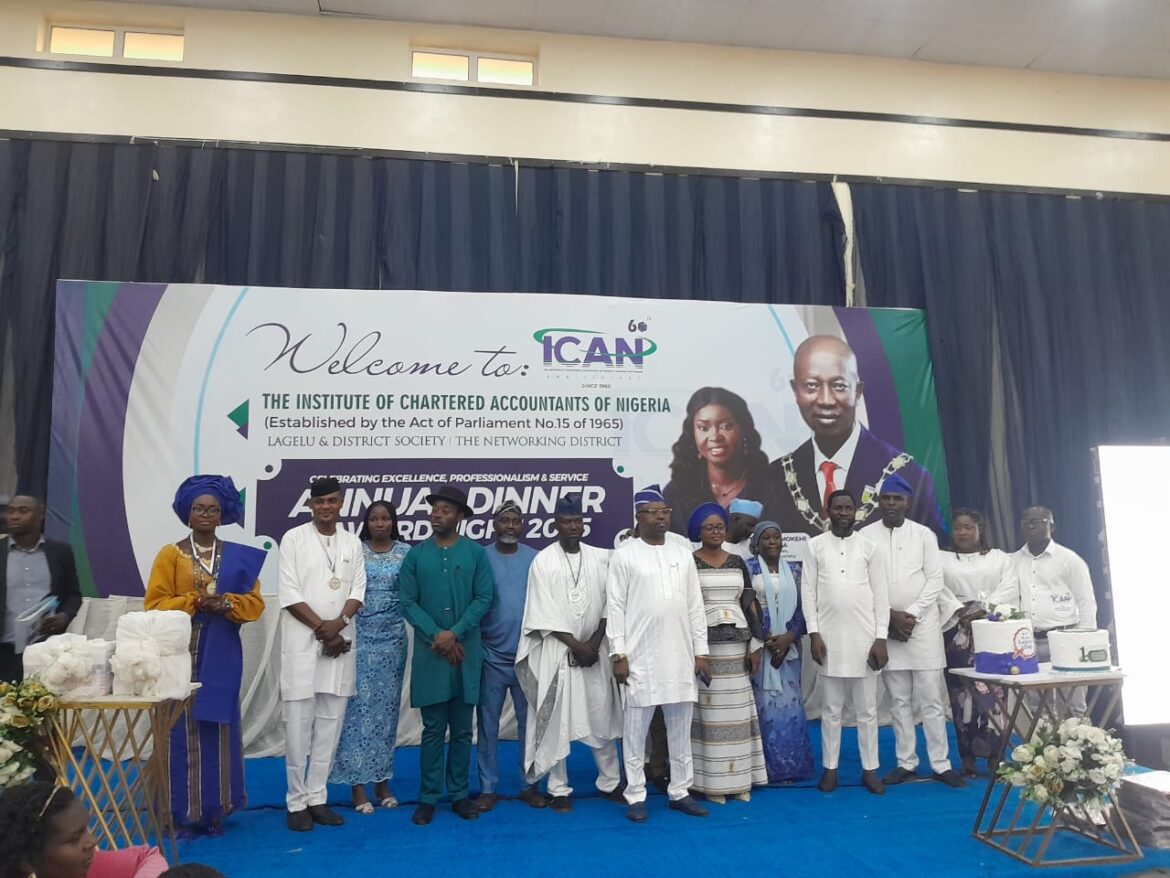
Insights from the ICAN Lagelu and District Society Annual Dinner and Awards

This appeal was made during the inaugural Dinner and Awards Night hosted by the Institute of Chartered Accountants of Nigeria (ICAN), Lagelu and District Society, at the Aweni Event Centre in Ibadan. Distinguished speakers included Dr. Prince Oyebade Oyedepo, FCA, a board member of the Oyo State Anti-Corruption Agency; Chief Mrs. Omokemi Olufunke Oladipo, FCA, the founding Chairperson of ICAN Lagelu; and Chartered Accountant Mr. Marcus Kayode Akobi. They underscored the importance of leveraging collective expertise, fostering local industries, and enacting pragmatic policy changes to prepare Nigeria’s economy for the challenges and opportunities of 2026.

Positive Economic Trends Amidst Challenges

Chief Oladipo expressed cautious optimism regarding Nigeria’s economic trajectory, highlighting that recent collaborative efforts between government bodies and citizens are beginning to produce tangible improvements.

“The nation’s financial outlook is gradually improving. We are witnessing progress compared to previous years. Thanks to the combined efforts of the government and the populace, the economy is moving forward,” she remarked.

She pointed to increased commercial activities, particularly in agriculture and small-scale enterprises, as key drivers of enhanced food availability and economic exchanges.

“There is a noticeable influx of agricultural produce into urban markets, with more individuals engaging in buying and selling. This diversification in business activities is enabling higher incomes and greater consumer spending. We can see a hopeful path ahead,” Oladipo added.

However, she acknowledged the impact of currency depreciation on budget allocations, referencing adjustments made to the recently approved state budget of approximately £9.5 million.

“The Naira’s decline has necessitated some budgetary revisions. Nonetheless, all measures are aimed at societal benefit. We remain committed to operating within the budget to deliver essential services and improve living standards,” she affirmed.

Chief Oladipo also commended the contributions of community elders and stakeholders over the past year, emphasizing that sustainable development hinges on strong partnerships among government, professionals, and citizens.

Addressing Economic Vulnerabilities and Policy Priorities

Dr. Oyedepo highlighted the precarious state of Nigeria’s economy, urging immediate interventions to stabilize the financial environment before 2026.

“Despite Nigeria’s vast natural resources, the economy is currently not viable. For genuine progress, the government must prioritize investments in manufacturing, agriculture, and local production rather than relying predominantly on oil exports and imports,” he stated.

He identified high borrowing costs, persistent inflation, and the continuous depreciation of the Naira as critical obstacles to attracting investment and achieving economic stability.

“Policy reforms should aim to create a conducive atmosphere for entrepreneurship and production. Reducing interest rates and stabilizing the currency are vital steps to stimulate investment and strengthen domestic industries,” Oyedepo emphasized. He also stressed that national security is fundamental to economic growth, noting that insecurity disrupts production and deters investors nationwide.

Optimism for Economic Recovery and Strategic Financial Management

Mr. Marcus Kayode Akobi described Nigeria’s current financial condition as strained but expressed confidence in the country’s potential for recovery.

“Although the economy is facing challenges, Nigeria is endowed with abundant resources. The ongoing reforms are expected to yield positive outcomes in the coming year,” he said, highlighting that effective macroeconomic policy implementation is crucial for national stability.

Adding to the discourse, Professor Ishola Rufus Akintoye, an expert in Accounting and Strategic Financial Management, delivered the keynote address, urging accountants to adopt visionary leadership, strategic planning, and lifelong learning to advance both personal careers and the profession.

“Vision transcends mere ideas; it integrates past experiences with future goals. Excellence, continuous education, and robust partnerships are essential pillars for success,” Prof. Akintoye remarked during his speech themed “Honouring Distinction, Advancing Our Vision.”

Celebrating Professional Excellence and Community Contributions

In his opening remarks, Mr. Patterson Ariemodiugno, District Vice Chairman and Organising Committee Chair, praised members for their unwavering commitment to professional ethics and standards.

“Tonight, we celebrate individuals who exemplify integrity, objectivity, accountability, and professionalism with exceptional dedication,” he stated.

The ICAN Lagelu and District Society honoured several members for their outstanding contributions to the financial sector, including Honourable Williams Akin-Funmilayo, Dr. Taiwo Abideen Lasisi, Mr. Oluwalambe Tajudeen Akanni, Mr. Ephraim Oluwatoyin, FCTI, Dr. Olusola Akinloye, FCA, and Dr. Onifade Ayuba, recognizing their professional achievements and community service.

The event also marked the launch of the Thrivers Journal, a new publication highlighting the accomplishments and insights of accountants within the district.

Fundraising efforts for the district’s secretariat were a key feature of the evening, with significant donations from Oloye Adegboyega Taofeek Adegoke, FCA, Baker Tilly Nigeria, and other supporters.

Networking and Renewed Commitment to Nigeria’s Economic Revival

The gathering concluded with vibrant networking sessions, where members reaffirmed their dedication to actively contributing to Nigeria’s economic recovery and celebrated the highest standards of professional excellence.

December 4, 2025 0 comments
0 FacebookTwitterPinterestLinkedinRedditWhatsappTelegramViberEmail
PDP Leaders in Kajola LG Throw Weight Behind Amofin Adeoye’s Guber Bid
Breaking NewsOyo StatePeople

PDP Leaders in Kajola LG Throw Weight Behind Amofin Adeoye’s Guber Bid

by Ayodeji Onibalusi December 4, 2025
written by Ayodeji Onibalusi

PDP Leaders in Kajola LG Throw Weight Behind Amofin Adeoye's Guber Bid


Amofin Beulah Adeoye Garners Robust Backing for Oyo Governorship in Kajola LGA

Championing the governorship race in Oyo State, Amofin Beulah Adeoye, founder of the Beulah Adeoye Foundation, has deepened his engagement with influential stakeholders within Kajola Local Government Area.

Consolidated Endorsement from PDP Leadership in Kajola

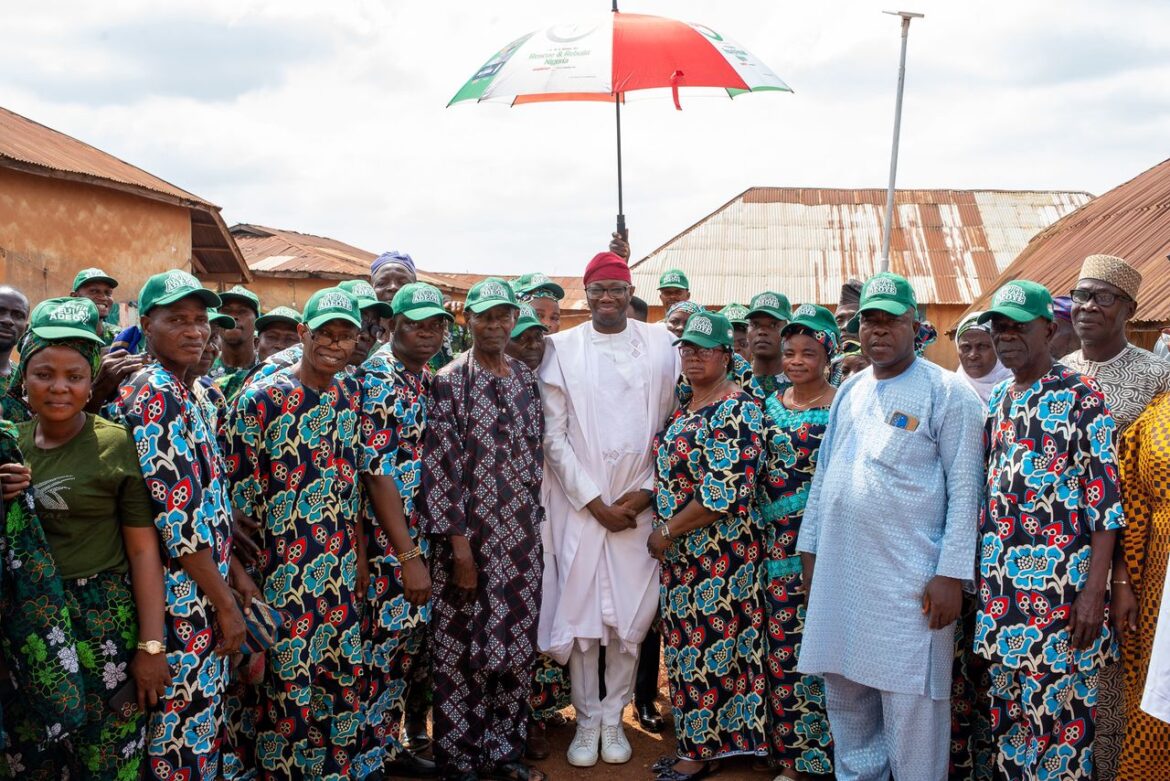
A significant meeting convened at the home of Alhaji O.K Salam, chairman of the Stakeholders Forum, brought together key political figures including Hon. Moses Ojesanmi, the PDP Chairman for Kajola LGA, alongside esteemed community elders. Hon. Ojesanmi conveyed the collective enthusiasm of the PDP members, noting that Adeoye’s visit was highly anticipated. He affirmed the party’s unwavering support for Adeoye’s gubernatorial aspirations, emphasizing the Oke-Ogun region’s advantage in having a visionary candidate poised to lead.

Emphasizing Solidarity and Sustained Dedication

Hon. Ojesanmi called on all party affiliates to strengthen unity and present a cohesive front during pivotal electoral phases. He encouraged Adeoye to sustain his campaign’s momentum, underscoring that his proven leadership credentials provide a competitive edge in the political landscape.

Oke-Ogun’s Trust in Adeoye’s Leadership Capabilities

Alhaji Adele Alawiye addressed attendees, commending the Oke-Ogun community for nurturing a resilient leader adept at navigating Oyo State’s intricate political environment. He pledged steadfast support from Kajola LGA and urged Adeoye to expand his outreach efforts statewide. Alhaji Alawiye assured that Kajola would fully align with Adeoye’s developmental vision for Oyo State’s future.

Amofin Adeoye’s Strategic Vision for Oyo State

Expressing gratitude for the warm reception, Adeoye highlighted the critical need to elect a governor from the Oke-Ogun zone to continue and amplify Governor Seyi Makinde’s inclusive policies focused on industrial growth and socio-economic transformation across Oyo State.

Academic Support and Mobilization Appeal

Accompanying Adeoye, Professor Sifau Adejumo shared her excitement about reconnecting with her husband’s hometown and urged the Kajola populace to unite behind Adeoye’s candidacy. She portrayed him as a reliable and competent leader, citing his legal acumen, intellectual prowess, and corporate experience as vital assets to propel Oyo State’s economy beyond the current OmiTunTun 2.0 initiative.

Community Blessings and Grassroots Engagement

The gathering concluded with a heartfelt prayer from Elder Adesina Okunade, invoking divine favor on the campaign and the community’s wellbeing. Subsequently, Adeoye and his team participated in the Odun Omo Aloba Day in Iganna and the Okeho Day 2025 festivities, engaging with traditional rulers, political allies, and other dignitaries to reinforce grassroots support.

As the 2025 gubernatorial election intensifies, Adeoye’s expanding endorsement in strategic local government areas like Kajola underscores a growing momentum, reflecting a widespread call for progressive and visionary leadership in Oyo State.

December 4, 2025 0 comments
0 FacebookTwitterPinterestLinkedinRedditWhatsappTelegramViberEmail
AOPE Rector Commissions Solar Power Project Funded By Yinka Afonja
Breaking NewsOyo StatePeople

AOPE Rector Commissions Solar Power Project Funded By Yinka Afonja

by Ayodeji Onibalusi December 4, 2025
written by Ayodeji Onibalusi

AOPE Rector Commissions Solar Power Project Funded By Yinka Afonja


Adeseun Ogundoyin Polytechnic Unveils Solar Power Initiative Backed by Prince Yinka Afonja

In a significant stride towards sustainable energy adoption, the Acting Rector of Adeseun Ogundoyin Polytechnic, Eruwa, Dr. Gbade Akinteye, officially inaugurated a state-of-the-art solar power system at the institution’s Central Administrative Building. This project was made possible through the generous financial support of Prince Yinka Afonja, the Managing Director and CEO of Ace Supermarket.

Philanthropic Commitment to Renewable Energy and Institutional Development

This solar installation represents the initial phase of a ₦10 million pledge Prince Afonja made during the polytechnic’s recent combined convocation ceremony. His donation targets two pivotal projects: the deployment of solar energy infrastructure for the administrative block and the refurbishment of the institution’s health center ambulance.

True to his promise, Prince Afonja promptly released the funds, facilitating the swift completion of the solar power system. The commissioning event was attended by the polytechnic’s senior management, including Deans, Directors, and other distinguished guests, underscoring the importance of this milestone.

Leadership Praises Unwavering Support and Calls for Broader Community Engagement

During the ceremony, Dr. Akinteye expressed heartfelt appreciation for Prince Afonja’s exceptional generosity, highlighting that the donor is neither an alumnus nor a native of the region, which makes his contribution even more commendable. He emphasized that such acts of benevolence are vital for community upliftment and encouraged other benefactors to follow suit in supporting educational institutions.

AOPE Solar Project Commissioning

Faculty Deans also lauded Prince Afonja’s commitment and commended the Acting Rector for his transparent stewardship of the funds, ensuring they were allocated strictly for their intended purposes.

Future Plans to Enhance Healthcare Services at the Polytechnic

Looking ahead, Dr. Akinteye revealed that the institution is preparing to refurbish the health center’s ambulance in the coming weeks. Additionally, a new motorcycle will be acquired to improve the mobility of healthcare staff, facilitating better service delivery within and beyond the campus clinic.

Impact on Institutional Efficiency and Learning Environment

The management team regards the solar power project as a transformative development that will boost operational efficiency and foster a more conducive atmosphere for academic and administrative activities. This initiative aligns with global trends emphasizing renewable energy adoption in educational institutions, contributing to environmental sustainability and cost savings.

According to recent data from the International Renewable Energy Agency (IRENA), solar power installations in educational facilities have increased by over 25% globally in the past two years, reflecting a growing commitment to green energy solutions in the education sector.

December 4, 2025 0 comments
0 FacebookTwitterPinterestLinkedinRedditWhatsappTelegramViberEmail
Early health preparedness protects families during seasonal floods in Adamawa State
Breaking NewsGlobalHealth

Early health preparedness protects families during seasonal floods in Adamawa State

by Ayodeji Onibalusi December 3, 2025
written by Ayodeji Onibalusi

Proactive Health Measures Shield Vulnerable Populations in Flood-Prone Adamawa State

In the flood-vulnerable region of Adamawa State, located in north-eastern Nigeria, early health interventions during the 2025 rainy season played a crucial role in safeguarding thousands from outbreaks of preventable diseases. This proactive approach was spearheaded by the Adamawa State Ministry of Health (SMOH) in collaboration with the World Health Organization (WHO), targeting seven local government areas identified as high-risk: Yola South, Yola North, Numan, Girei, Lamurde, Fufore, and Demsa.

Pre-Flood Deployment of Health Services

With financial backing from the United Nations Central Emergency Response Fund (CERF) and the Government and People of Japan, health teams were strategically positioned before the peak flooding period. The initiative aimed to curb the spread of malaria, cholera, and other diseases commonly associated with floods, while maintaining essential healthcare services for displaced and vulnerable groups.

Community Outreach Before Disaster Strikes

In Yola South’s Fadde Gassol area, 25-year-old expectant mother Aisha Bello benefited from a mobile health unit supported by WHO and CERF. She received a long-lasting insecticidal net (LLIN), malaria prevention treatment, and antenatal care.

“The health workers arrived before the flooding worsened,” Aisha shared. “This early support helped me stay healthy and prepared for a safe delivery.” Her story exemplifies the positive impact of timely health interventions across the flood-affected communities.

Comprehensive Health Services Amidst Flood Disruptions

As floodwaters cut off access to many settlements, integrated health services were delivered, encompassing malaria and acute watery diarrhoea (AWD) treatment, maternal and child healthcare, routine immunizations, nutrition assessments, mental health counseling, hygiene education, and referrals for gender-based violence support.

  • 5,000 LLINs distributed to households at high risk of malaria transmission.
  • 3,000 pregnant women received antenatal care, with many provided intermittent preventive malaria treatment.
  • Establishment of three Oral Rehydration Points (ORPs) and three Cholera Treatment Centres (CTCs) to enable swift cholera response.
  • Disinfection of 250 sanitation facilities and chlorination of key water sources to minimize cholera spread.
  • Thousands reached with cholera prevention and hygiene promotion messages.
  • Provision of WASH dignity kits to hundreds of displaced families to support safe sanitation and hygiene.

Fatima Musa, a frontline health worker, recounted, “We navigated flooded routes to reach communities that hadn’t seen medical personnel in weeks. Despite the challenges, the people welcomed us and trusted our assistance.”

Enhancing Emergency Preparedness at the State Level

WHO’s support extended to bolstering Adamawa State’s emergency readiness, particularly for cholera outbreaks, through several key measures:

  • Stockpiling emergency medical supplies in strategic locations.
  • Conducting specialized training sessions for frontline health workers.
  • Improving disease surveillance and early warning systems to detect outbreaks promptly.
  • Facilitating coordination via the Adamawa State Public Health Emergency Operations Centre (PHEOC).

Dr. Abdulhakeem Yusuf, WHO’s Adamawa State Coordinator, emphasized, “Thanks to CERF and Japan’s support, we acted before the crisis escalated, preventing outbreaks and alleviating suffering, especially among women and children.”

Effective Multi-Agency Coordination Through PHEOC

The Adamawa State PHEOC served as the central hub for coordinating flood preparedness and response efforts, uniting key stakeholders such as WHO, OCHA, UNFPA, SEMA, the Nigerian Red Cross Society, Médecins Sans Frontières (MSF), and local humanitarian groups.

Momsiri Wesley Biyama, Head of OCHA’s Adamawa Sub-Office, noted, “Robust coordination enabled us to act swiftly and extend our reach before needs intensified.”

Huzaifatu Mohammed, Secretary of the Nigerian Red Cross Society’s Adamawa Branch, added, “Our volunteers braved challenging terrain alongside health teams. The PHEOC’s coordination ensured that services reached isolated communities that would otherwise have been inaccessible.”

Building Resilience for Future Flood Seasons

Despite these achievements, the increasing frequency of floods-exacerbated by climate change-continues to threaten public health in Adamawa State. To sustain and expand the benefits of early interventions, further investments are essential in anticipatory action, enhanced disease surveillance, improved water, sanitation, and hygiene (WASH) infrastructure, and outreach to remote populations.

WHO, the Adamawa State Government, and partners remain dedicated to scaling up these initiatives ahead of upcoming rainy seasons, aiming to protect lives and fortify community resilience against future flood-related health emergencies.

December 3, 2025 0 comments
0 FacebookTwitterPinterestLinkedinRedditWhatsappTelegramViberEmail
Nigeria Launches First National Antimicrobial Resistance Survey
Breaking NewsGlobalHealth

Nigeria Launches First National Antimicrobial Resistance Survey

by Ayodeji Onibalusi December 3, 2025
written by Ayodeji Onibalusi

Nigeria Initiates Groundbreaking National Survey on Antimicrobial Resistance

Abuja, Nigeria has embarked on a pioneering effort to comprehensively assess antimicrobial resistance (AMR) across the nation. This landmark survey, supported by the World Health Organization (WHO) alongside key partners, aims to produce vital data that will inform policy decisions, enhance patient care, and fortify the resilience of Nigeria’s healthcare system.

Collaborative Planning and Strategic Framework

The Federal Ministry of Health and Social Welfare (FMoH&SW) and the Nigeria Centre for Disease Control and Prevention (NCDC), with expert guidance from WHO, recently completed an intensive five-day workshop. This gathering united representatives from government bodies, academic institutions, and international organizations to finalize the survey’s technical protocols and operational plans.

Nigeria stands as the third nation worldwide to collaborate with WHO on a nationally representative AMR survey. This selection reflects Nigeria’s demonstrated dedication to AMR surveillance, the recent update of its National Action Plan (NAP 2.0), and its preparedness to enhance laboratory and data management infrastructures.

The Critical Importance of AMR Surveillance

Antimicrobial resistance poses a significant health threat in Nigeria, which ranks 20th globally for age-standardized mortality attributable to AMR. In 2019 alone, approximately 263,400 deaths were linked to resistant infections-surpassing fatalities from enteric diseases, tuberculosis, respiratory illnesses, maternal and neonatal complications, neglected tropical diseases, malaria, and cardiovascular conditions combined (Global Research on Antimicrobial Resistance – GRAM, IHME, University of Washington, 2023).

Worldwide, resistant infections in tertiary healthcare settings impose substantial economic burdens, with treatment costs ranging from US$2,371 to US$29,289 per patient episode. These infections also prolong hospital stays by an average of 7.4 days and increase mortality risk by 84% (Poudel AN et al., PLoS One, 2023).

AMR arises when microorganisms such as bacteria, viruses, fungi, and parasites adapt to evade the effects of antimicrobial drugs, complicating treatment efforts. Systematic surveillance is indispensable for monitoring resistance trends, pinpointing priority pathogens, and directing targeted public health interventions.

Survey Goals and Methodology

The national survey is designed to:

  • Establish a comprehensive baseline of AMR prevalence to evaluate the effectiveness of ongoing and future interventions.
  • Analyze the geographic and demographic distribution, disease burden-including morbidity, mortality, disability-adjusted life years (DALYs), and economic costs-and diversity of AMR across Nigeria.
  • Support the global objective of reducing AMR-related deaths by 10% by 2030, aligning with commitments made at the 79th United Nations General Assembly in 2024.
  • Enhance routine AMR surveillance capabilities, including diagnostic services, sample referral networks, and laboratory infrastructure.

Employing WHO’s standardized protocols, the survey will span 12 to 15 months and involve 40 to 45 randomly selected healthcare facilities nationwide. Patients suspected of bloodstream infections (BSIs) will be identified using established case definitions, with blood samples processed in accredited laboratories to ensure data quality.

Data collection will encompass all age groups and include clinical, demographic, laboratory, financial, and outcome variables. Follow-up assessments will be conducted at hospital discharge, 28 days, and three months post-infection. The survey aims to enroll approximately 35,000 patients suspected of BSIs to isolate around 800 samples of the most prevalent pathogens.

Enhancing National Expertise and Infrastructure

Dr. Pavel Ursu, WHO Representative in Nigeria, emphasized the significance of this initiative: “Nigeria is making a decisive move to tackle AMR through a data-driven, scientific approach that promises measurable impact. This survey will illuminate the path toward smarter policies, robust surveillance, and improved patient outcomes. It lays the groundwork for a resilient health system that safeguards lives, builds public trust, and preserves the effectiveness of essential medicines for future generations.”

Adding to this, Dr. Laetitia Gahimbare, Technical Officer at WHO’s Regional Office for Africa, stated, “Strengthening surveillance systems empowers Nigeria to detect and respond swiftly to AMR threats, thereby enhancing patient care, bolstering health security, and fostering a sustainable healthcare framework.”

Professor Babatunde Ogunbosi, a Pediatric Infectious Diseases expert at University College Hospital, Ibadan, highlighted the broader implications: “This survey transcends data collection; it is a catalyst for building national capacity in research, diagnostics, and policymaking, integrating scientific evidence into public health strategies.”

Contributing to Global Health and Universal Health Coverage

AMR is a pressing global health concern, and Nigeria’s active participation strengthens regional and international efforts to monitor resistance patterns and coordinate effective responses. The survey aligns with the One Health framework, acknowledging the interconnectedness of human, animal, and environmental health sectors.

By advancing diagnostic capabilities, reinforcing laboratory networks, and promoting judicious antimicrobial use, this initiative aims to reduce treatment failures and accelerate Nigeria’s progress toward Universal Health Coverage (UHC), national health security, and the objectives outlined in the National Health Sector Renewed Investment Initiative.

Unified National and International Commitment

Recognized as a top priority by WHO, AMR demands concerted action. Nigeria’s collaboration with WHO, NCDC, the National Agency for the Control of AIDS (NACA), and the Global Fund exemplifies strong national leadership and multisectoral cooperation.

Through evidence-based strategies, partnerships, and scientific rigor, Nigeria is establishing a robust foundation to protect public health, preserve the potency of vital medicines, and foster a healthier future for all citizens.

December 3, 2025 0 comments
0 FacebookTwitterPinterestLinkedinRedditWhatsappTelegramViberEmail
Breaking NewsGlobalHealth

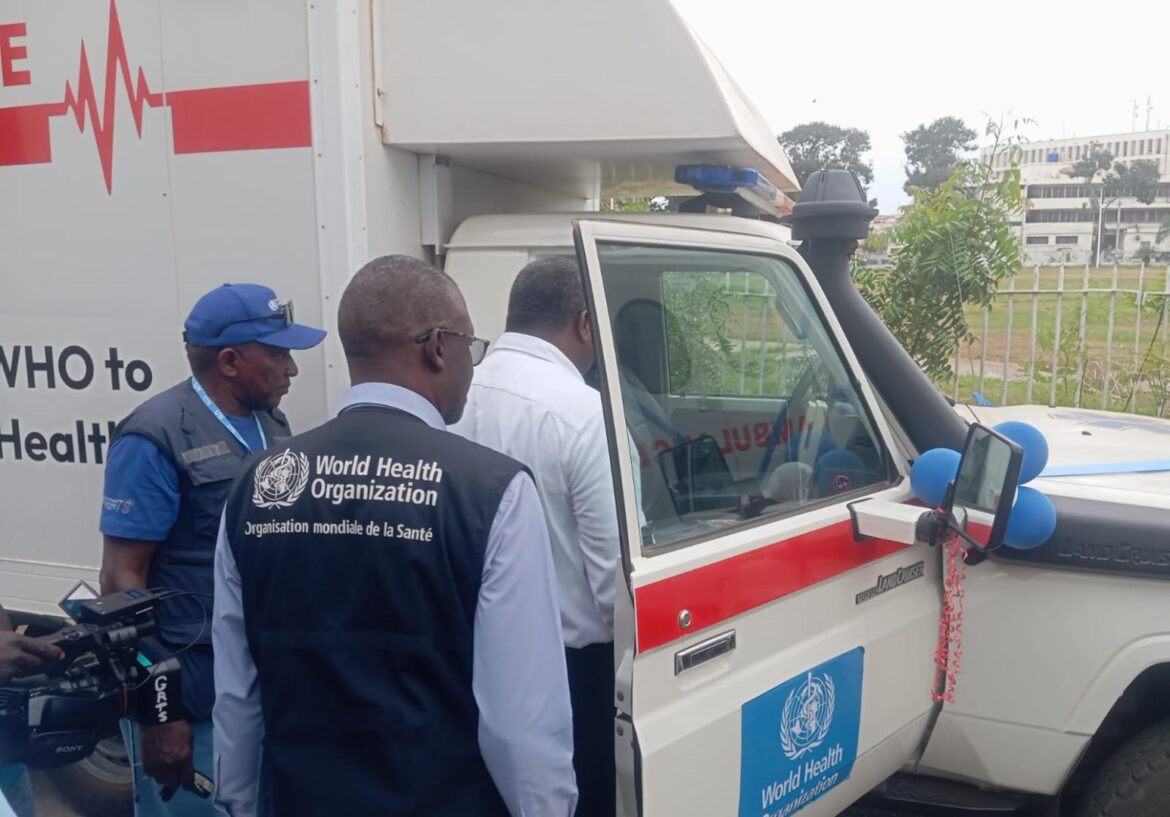
WHO Handed Over Two Ambulances and Oxygen Equipment to Strengthen Emergency Referrals in The Gambia

by Ayodeji Onibalusi December 3, 2025
written by Ayodeji Onibalusi

WHO Enhances Emergency Healthcare in The Gambia with New Ambulances and Oxygen Equipment

Banjul, The Gambia – In a significant boost to The Gambia’s emergency medical services, the World Health Organization (WHO) has donated two state-of-the-art ambulances along with essential oxygen delivery equipment to the Ministry of Health (MoH). This contribution aims to strengthen the country’s capacity for rapid emergency referrals and critical care interventions.

Details of the Donation Package

Valued at nearly USD 200,000 (approximately GMD 15 million), the donation package includes:

  • Two fully outfitted ambulances equipped for emergency response
  • Twenty oxygen cylinders
  • Twenty oxygen regulators
  • Ten oxygen concentrators
  • Spare parts and accessories for the oxygen concentrators

Addressing Regional Healthcare Gaps

During the handover ceremony, attended by Dr. Ahmadou Lamin Samateh, Honourable Minister of Health, WHO Representative Dr. Nathan Bakyaita, senior MoH officials, and frontline healthcare providers, the Minister highlighted the urgent need for improved emergency transport, especially in the Central River Region (CRR). One of the ambulances will be immediately assigned to CRR to facilitate faster transfers of critically ill patients, including pregnant women and children from remote areas.

“This timely support will significantly enhance our referral system, particularly in underserved regions where access to emergency transport has been a persistent challenge,” stated Dr. Samateh. “The ambulances and oxygen concentrators will directly contribute to saving lives by ensuring timely medical interventions.”

WHO’s Commitment to Life-Saving Healthcare

Dr. Nathan Bakyaita emphasized the critical role of the donated equipment in emergency care. “Every second counts in emergencies. These ambulances and oxygen supplies are vital tools that bring lifesaving care to those in urgent need. WHO is dedicated to partnering with The Gambian government to build a resilient, responsive, and patient-centered health system.”

He added, “Our healthcare workers have always possessed the expertise; now, with these ambulances, they have the means to reach patients swiftly. This donation reaffirms our shared commitment that no Gambian should lose their life due to delayed medical assistance.”

Importance of Timely Emergency Transport and Oxygen Therapy

Access to reliable transportation and oxygen therapy is crucial in managing emergencies such as childbirth complications or severe respiratory illnesses like pneumonia. Delays in transferring patients can lead to irreversible outcomes. Strengthening these services is essential to reducing preventable mortality and ensuring equitable healthcare access across all regions.

Strengthening Partnerships for Health System Resilience

This handover exemplifies the ongoing collaboration between WHO and the Ministry of Health to enhance emergency preparedness and improve the national referral system. The strategic deployment of an ambulance to the CRR reflects a focused effort to bridge regional disparities in emergency healthcare availability.

WHO remains steadfast in its mission to guarantee that every Gambian, regardless of location, can access timely, safe, and high-quality health services.

December 3, 2025 0 comments
0 FacebookTwitterPinterestLinkedinRedditWhatsappTelegramViberEmail
Polio response programme bolsters Ebola outbreak control
Breaking NewsGlobalHealth

Polio response programme bolsters Ebola outbreak control

by Ayodeji Onibalusi December 3, 2025
written by Ayodeji Onibalusi

How the Democratic Republic of the Congo Leveraged Polio Expertise to End the Latest Ebola Outbreak

Harnessing Established Health Infrastructure for Rapid Ebola Containment

The Democratic Republic of the Congo (DRC) recently announced the successful conclusion of its most recent Ebola outbreak, a milestone achieved largely through the strategic use of the country’s well-established polio eradication framework. This existing network, known for its robust surveillance and community engagement capabilities, played a pivotal role in accelerating the Ebola response.

Collaborative Efforts Between WHO and National Health Authorities

In partnership with the Ministry of Health, the World Health Organization (WHO) promptly mobilized a specialized team of seven polio experts to bolster efforts in Kasai Province, the epicenter of the outbreak. These professionals contributed their expertise in epidemiological surveillance, logistics coordination, contact tracing, and community mobilization, ensuring a swift and organized response to the crisis.

Utilizing Polio Program Strengths for Ebola Vaccination and Awareness

The WHO sub-office in Kasai, funded through polio eradication resources, functioned as a critical logistical command center. Drawing on years of experience conducting door-to-door polio immunization campaigns, local polio personnel effectively mapped remote and hard-to-access communities, monitored population movements, and disseminated vital information on Ebola prevention. Their presence on the ground was instrumental in facilitating the distribution of vaccines and educational materials to vulnerable populations.

Polio Eradication Progress and Its Role in Broader Health Security

Since the interruption of wild poliovirus type 1 transmission in Africa in 2020, the DRC has maintained momentum by addressing circulating vaccine-derived poliovirus types 1 and 2 (cVDPV1 and cVDPV2). In 2025 alone, immunization campaigns reached over 33 million children, including those under 14 in select provinces, underscoring the country’s commitment to comprehensive vaccination coverage.

Key components of the polio strategy-enhanced environmental surveillance, rapid case investigation, and fortified laboratory diagnostics-were seamlessly adapted to support the Ebola outbreak response, demonstrating the versatility of these public health tools.

Expert Insights on Cross-Program Synergies

Dr. Aïcha Diakité, WHO Polio Team Lead focusing on capacity building in the DRC, emphasized the rapid redeployment of polio teams to strengthen Ebola case investigations, contact tracing, and data management. “Our logisticians ensured timely transport of samples to national laboratories, while surveillance officers trained local health workers. Communication specialists worked tirelessly to foster community trust,” she explained. “This cross-utilization of polio infrastructure was vital in halting Ebola transmission, illustrating how investments in polio eradication continue to safeguard public health beyond their original scope.”

Measurable Impact of Integrated Disease Control Efforts

The effectiveness of this integrated approach is reflected in the dramatic decline of variant poliovirus type 1 detections-from 107 cases in 2023 to just 10 in 2024, and a single case reported so far in 2025. This trend highlights how the same surveillance and response mechanisms that drive polio success have been instrumental in managing Ebola.

Community-Centered Strategies Accelerate Outbreak Containment

“Polio teams possess deep-rooted knowledge of local communities, including terrain and social dynamics, enabling rapid and culturally sensitive interventions,” noted Dr. Lusamba Kabamba, coordinator of the Global Polio Eradication Initiative in the DRC. Their expertise in micro-planning and risk communication was quickly harnessed to enhance active case finding and resource deployment during the Ebola crisis.

Building on a Legacy of Multi-Disease Emergency Response

This integrated model builds upon the polio program’s longstanding role in supporting responses to various health emergencies across the region, including cholera outbreaks and mpox (monkeypox) management. By leveraging established networks and expertise, the DRC continues to strengthen its resilience against infectious diseases, safeguarding millions of lives.

December 3, 2025 0 comments
0 FacebookTwitterPinterestLinkedinRedditWhatsappTelegramViberEmail
Resident Doctors Issue Fresh Ultimatum, Demand Full Implementation of MoU
Breaking NewsBusiness

Resident Doctors Issue Fresh Ultimatum, Demand Full Implementation of MoU

by Ayodeji Onibalusi December 3, 2025
written by Ayodeji Onibalusi

The Nigerian Association of Resident Doctors (NARD) has issued a renewed ultimatum to the Federal Government, demanding the comprehensive enforcement of previously agreed terms outlined in a Memorandum of Understanding (MoU). Failure to comply fully may trigger another nationwide strike by resident doctors.

Ongoing Challenges Plaguing Resident Doctors

Following an Extraordinary National Executive Council (E-NEC) meeting, NARD expressed frustration over the persistent neglect of critical issues affecting both medical practitioners and the public healthcare infrastructure. Despite numerous assurances, many core problems remain unaddressed, including:

  • Accumulated unpaid salaries and allowances
  • Severe understaffing leading to excessive workloads for doctors
  • Delays in pension disbursements and special entitlements
  • Decrepit hospital facilities and obsolete medical equipment
  • Unreliable electricity supply in teaching hospitals

The association emphasized that the MoU, designed to tackle these concerns, has seen only partial execution, particularly regarding enhancements in welfare and working conditions for resident doctors.

Incremental Advances Amidst Significant Shortcomings

While acknowledging some progress, such as:

  • Partial clearance of outstanding salary arrears
  • Initiation of payments for the 2024 accoutrement allowance
  • Ongoing negotiations concerning specialist allowances and appropriate entry-level placements

NARD criticized the sluggish implementation pace and the absence of definitive deadlines for fulfilling these commitments. The association also highlighted unresolved cases of resident doctors who were disengaged from federal hospitals, urging immediate resolution.

Renewed Calls with Firm Deadlines

In its latest statement, NARD outlined explicit demands accompanied by clear timelines, including:

  • Complete enforcement of the existing MoU with the government
  • Prompt settlement of all outstanding salary and allowance arrears for resident doctors across affected institutions
  • Accurate placement of newly recruited resident doctors at their rightful grade levels
  • Implementation of a one-for-one replacement policy to address staffing shortages
  • Establishment of a centralized taskforce to develop national guidelines on duty hours, call schedules, and locum arrangements

The association warned that failure to meet these demands within the stipulated timeframe will compel them to recommence industrial action.

Strike Postponed, Not Rescinded

NARD clarified that previous strikes were merely suspended to allow the government an opportunity to act, not because the underlying issues had been resolved. The association stressed that the dwindling patience of its members, coupled with ongoing delays, is detrimental to both healthcare workers and patients.

Resident doctors appealed to the President, relevant ministries, the National Assembly, and other stakeholders to ensure that current negotiations yield tangible results rather than empty promises.

Strained Healthcare System Faces Growing Risks

The association reminded the government that resident doctors are the cornerstone of service delivery in teaching hospitals and numerous federal and state tertiary healthcare centers. Their withdrawal leads to clinic closures, postponed surgeries, and patients left without care.

With public trust in Nigeria’s healthcare system waning and the ongoing exodus of medical professionals intensifying, NARD cautioned that inaction could exacerbate the crisis further.

As the countdown on this latest ultimatum begins, the nation watches closely to see if the government will honor its commitments and avert another debilitating shutdown of public health services.

December 3, 2025 0 comments
0 FacebookTwitterPinterestLinkedinRedditWhatsappTelegramViberEmail
Newer Posts
Older Posts

Subscribe to our newsletter!

Advertisement

Your browser does not support the video tag.

Categories

  • Auto
  • Breaking News
  • Business
  • Celebrities
  • Disasters
    • Pollution
  • Economy
    • Infrastructure
  • Education
  • Entertainment
    • Movies
  • Fashion
  • Finance
  • Global
  • Health
  • International
    • America
    • Climate Change
  • Lagos
  • Lifestyle
  • Linkinbio
  • Love and Sex
  • Luxury Market
  • money
  • Music
  • Opinion
  • Oscars
  • Oyo State
  • People
  • Politics
    • Security
      • Terrorism
  • Religion
  • Royal Family
  • Social Media
  • Sponsored
  • sports
    • Football
  • Technology
  • Transport
  • Travel
  • Travel Guides
  • Weddings

OYOGist brings you only the latest and most relevant news you need to make your day complete. For ads placements, reach out to us via ads (at)oyogist.com. If you have news tips or gossips, email us at tips (@) oyogist.com.

Subscribe to us

Subscribe to our newsletter!

Advertise

Want to promote your brand on OYOGist.com? Reach out to us via email at ads@oyogist.com

Recent Posts

Contact Us

    • Facebook
    • Twitter
    • Instagram
    • Politics
    • Entertainment
    • International

    OYOGist.com © 2025 - All Right Reserved.

    OYO Gist
    • Breaking News
    • Politics
    • Jobs
      • Post a Job
        • Job Dashboard
    • Advertise
    OYO Gist
    • Home
    • Advertise With Us
    • Breaking News
    • Politics
      • Lagos
      • Oyo State
    • Entertainment
    • Celebrities
    • Business
      • money
      • Technology
    • International
    • People
    • sports
    • Health
    OYOGist.com©2025. All right reserved.