
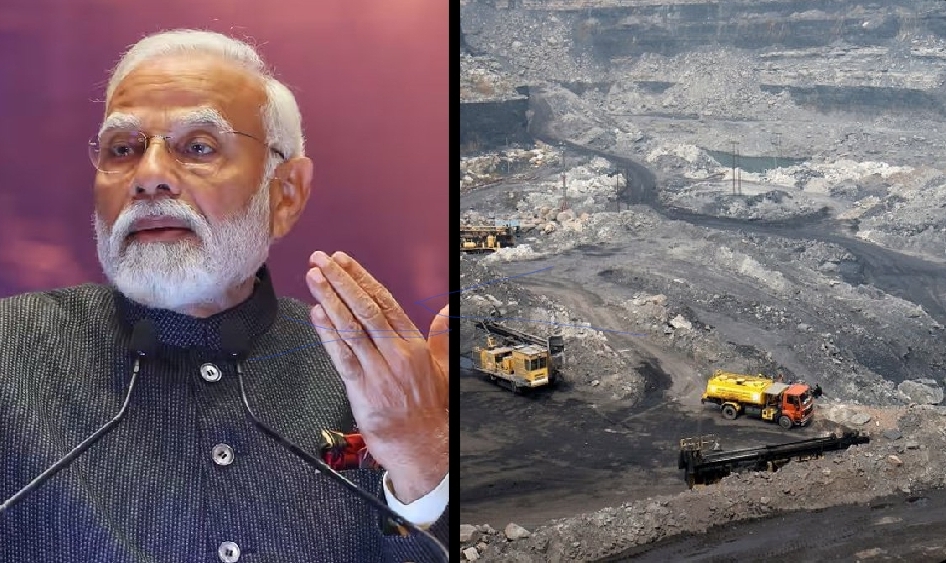
India has approved an ambitious coal-to-energy initiative aimed at gasifying 100 million tonnes of coal by 2030, positioning the country to strengthen domestic energy security as geopolitical tensions in the Middle East continue to threaten global fuel supply stability.
Under the plan backed by Prime Minister Narendra Modi, India seeks to convert abundant coal reserves into synthetic gas that can be used for electricity generation, industrial fuel, fertilizers, and chemical production. The project reflects New Delhi’s strategy of balancing economic growth with energy independence in an era of volatile oil markets.
India remains one of the world’s fastest-growing energy consumers, driven by rapid industrialization, urban expansion, and population growth. While renewable energy investments have accelerated, coal still accounts for a major share of electricity production. Gasification technology allows coal to be processed more efficiently and potentially with lower emissions compared to traditional burning methods, offering a transitional pathway between fossil fuels and cleaner energy systems.
The timing of the initiative is closely linked to global uncertainty surrounding Middle Eastern supply routes, where regional tensions frequently trigger price spikes affecting import-dependent economies. By converting domestic coal resources into usable gas, India aims to reduce exposure to external disruptions while supporting manufacturing expansion and employment.
Energy experts describe the project as both pragmatic and controversial. Supporters view it as essential for economic stability and industrial resilience, while environmental advocates warn that continued investment in coal infrastructure could complicate long-term climate commitments. Regardless, the scale of the initiative demonstrates how energy security has once again become a central pillar of national policy in an increasingly unpredictable global landscape.
