
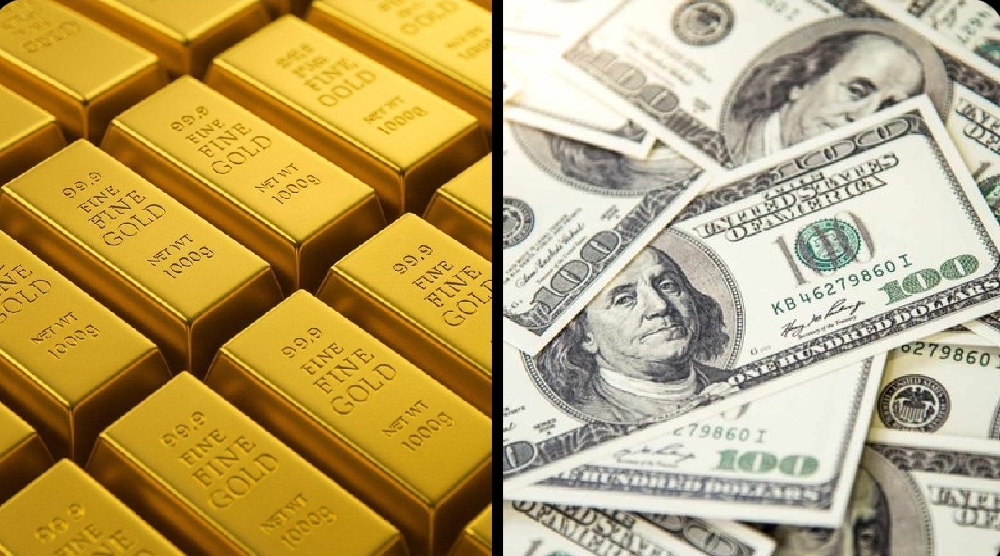
A major shift may be unfolding in the global financial system after the European Central Bank reported that gold has surpassed U.S. Treasury securities as a leading reserve asset for central banks around the world. The development reflects changing economic conditions, geopolitical uncertainty, and growing efforts by some nations to diversify their reserve holdings.
For decades, U.S. Treasuries have been considered one of the safest and most liquid assets available to governments and central banks. Their dominance has been closely tied to the strength of the U.S. dollar and America’s position at the center of the global financial system. However, recent years have seen a significant increase in central bank purchases of gold.
Economic analysts point to several reasons for this trend. Rising geopolitical tensions, concerns about sanctions risks, inflationary pressures, and uncertainty surrounding global debt levels have encouraged many countries to seek alternative stores of value. Gold, which has served as a financial safe haven for centuries, has benefited from these concerns.
The shift does not necessarily signal the decline of the U.S. dollar or Treasury market, both of which remain enormously influential. However, it does suggest that central banks are increasingly pursuing diversification strategies designed to reduce dependence on any single reserve asset.
If the trend continues, it could reshape aspects of international finance and influence future discussions about monetary stability, reserve management, and the structure of the global economic order.
