
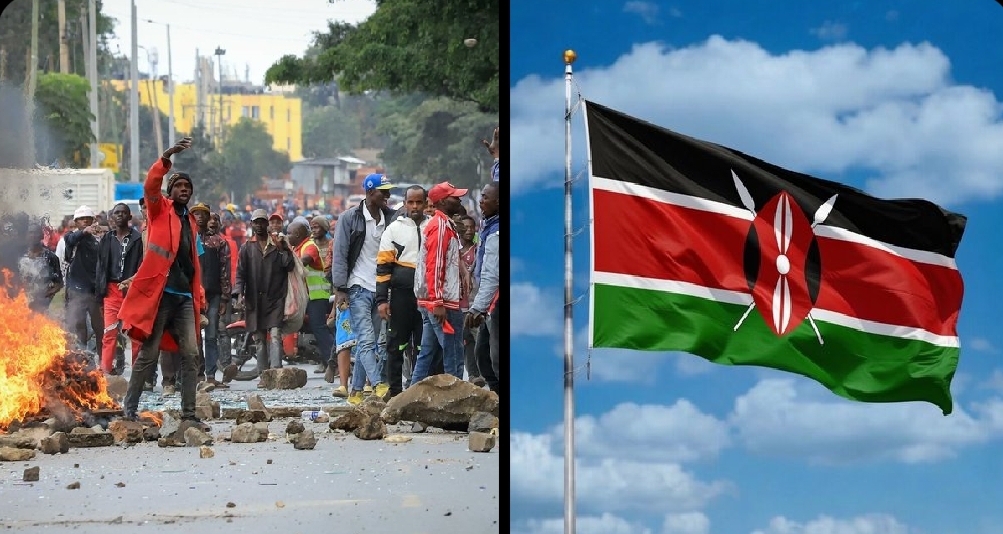
A controversial plan to establish a U.S.-supported Ebola quarantine facility in central Kenya has ignited one of the country’s most heated public health and political controversies in recent years, with at least two people reported dead following violent protests in the town of Nanyuki. The unrest has exposed deep public distrust, concerns over national sovereignty, and fears about the potential risks associated with hosting a facility designed to accommodate individuals exposed to the Ebola virus.
The proposed facility, which would reportedly be located near Laikipia Air Base in Nanyuki, was intended to temporarily house and monitor Americans who may have been exposed to an ongoing Ebola outbreak affecting parts of the Democratic Republic of Congo and Uganda. Kenyan authorities have defended the project as part of a broader emergency preparedness strategy developed in partnership with the United States. However, many residents have questioned why Kenya should host a quarantine center for foreign nationals when the outbreak itself is occurring elsewhere in the region. The controversy intensified after Kenya’s High Court temporarily suspended the project while legal challenges and public concerns are reviewed.
What began as public demonstrations quickly escalated into violent clashes between protesters and security forces. Multiple reports indicate that two people were killed during the unrest, with allegations that live ammunition was used as authorities attempted to disperse crowds. Protesters erected barricades, burned tires, and marched against what they viewed as an unfair arrangement that could expose local communities to unnecessary health risks. Kenyan officials maintain that the facility would operate under strict medical protocols and would strengthen the country’s disease-response capabilities rather than endanger the population.
The crisis has become larger than a debate about disease control. For many Kenyans, it reflects broader concerns about transparency in government decision-making and the nature of Kenya’s strategic partnerships with powerful foreign nations. Critics argue that the government failed to adequately consult local communities before approving the project, while supporters insist that international cooperation is essential in an increasingly interconnected world where infectious diseases can cross borders rapidly. The dispute has also placed President William Ruto under growing pressure as he attempts to defend the initiative while managing public anger.
As legal proceedings continue and investigations into the deaths move forward, the Nanyuki controversy may become a defining test of how African governments balance public health preparedness, international partnerships, and public trust. The outcome could shape not only Kenya’s response to future disease outbreaks but also the wider debate about how global health emergencies should be managed across borders.
