
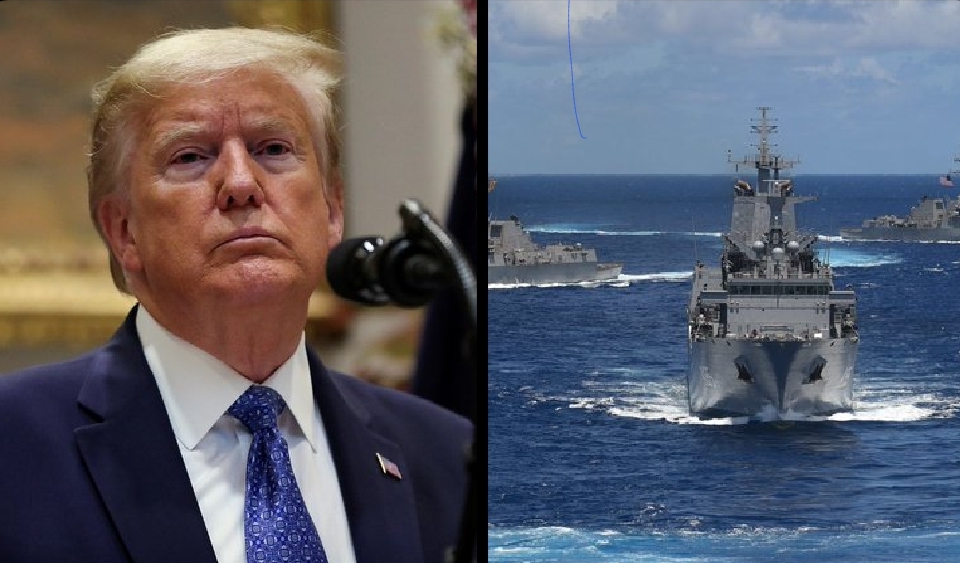
Diplomatic tensions intensified after reports emerged that the United Kingdom, France, and Germany prepared a strongly worded response following remarks by U.S. President Donald Trump threatening severe military action against Iran before later backing away from the rhetoric over concerns it could trigger broader conflict.
The development highlights growing anxiety among Western allies about the possibility of direct confrontation between Washington and Tehran at a time when the Middle East is already facing rising instability. European leaders have generally favored diplomatic containment strategies regarding Iran, particularly surrounding nuclear negotiations and regional tensions, fearing that aggressive escalation could destabilize energy markets and ignite wider military confrontation.
Reports suggest the draft statement was intended to discourage inflammatory rhetoric while reaffirming support for diplomatic channels. Analysts note that even verbal threats between major powers can dramatically impact financial markets, military readiness, and international alliances.
The situation also exposes divisions among Western allies regarding how aggressively Iran should be confronted. While some policymakers favor maximum pressure campaigns, others warn that escalating military threats could push the region closer to direct war involving multiple global powers.
As geopolitical tensions continue mounting, European governments appear increasingly focused on preventing rhetoric from evolving into irreversible military action.
