
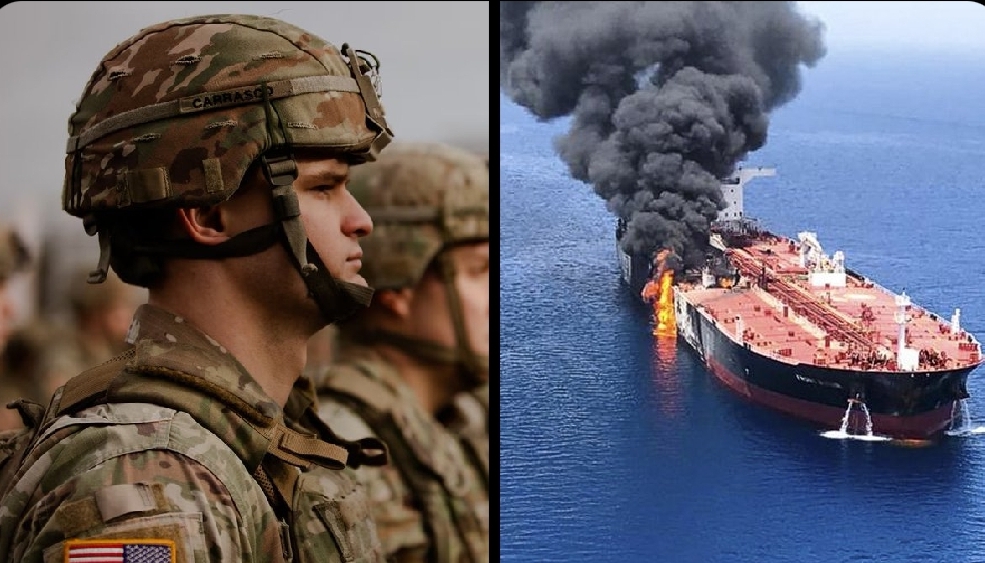
A dangerous escalation may be unfolding in the Middle East after reports claimed U.S. forces destroyed an Iranian oil tanker in the Gulf of Oman over allegations that the vessel attempted to violate a naval blockade. The incident has intensified fears that ongoing tensions between United States and Iran could spiral into direct military confrontation.
The Gulf of Oman remains one of the world’s most strategically important waterways, serving as a gateway for massive volumes of global oil shipments. Any military incident in the region immediately raises concerns about energy supply disruptions, shipping security, and global market volatility.
While details surrounding the tanker incident remain contested, analysts warn that attacks involving commercial or energy vessels often carry symbolic and strategic significance far beyond the immediate event itself. Oil infrastructure has historically played a central role in geopolitical standoffs throughout the Middle East because energy exports remain critical to both regional economies and global markets.
International observers are now watching closely for Iran’s response, as retaliatory measures could further heighten tensions across the Gulf region. Diplomatic efforts aimed at containing escalation are expected to intensify as world powers attempt to prevent maritime confrontation from evolving into broader conflict.
