
Table of Contents
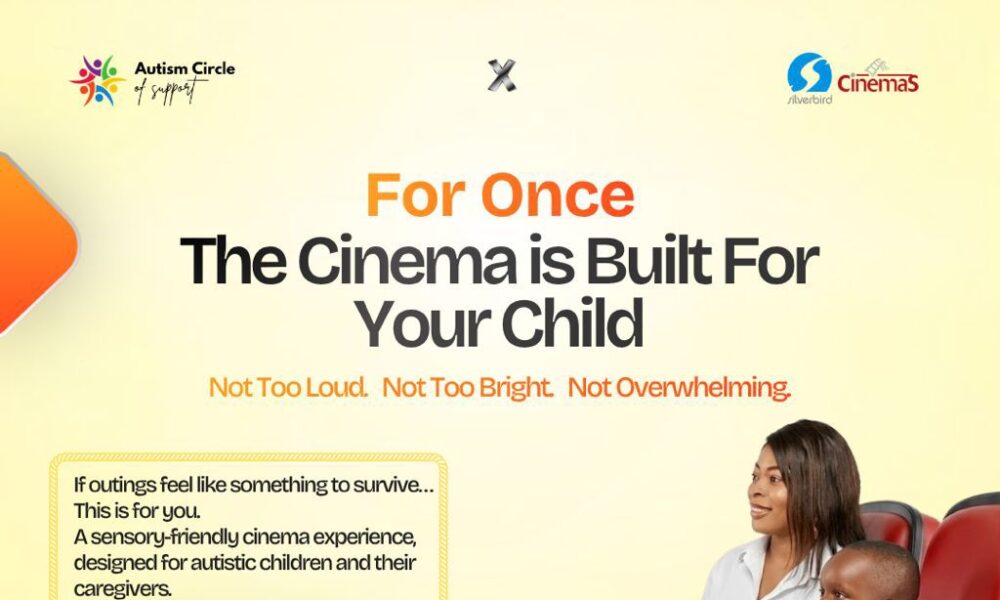
Creating a Comfortable Movie Experience for Families with Autistic Children
Understanding the Challenges Faced by Parents
For numerous families, a trip to the movie theater is a straightforward outing: purchase tickets, pick up some snacks, and settle in for entertainment. However, for parents raising children on the autism spectrum, this routine activity can present significant hurdles. The combination of intense noise levels, dim lighting, and bustling crowds often leads to sensory overload. Moreover, the anxiety of potential judgment from other moviegoers if their child behaves differently adds an extra layer of stress.
Why Traditional Cinemas Can Be Overwhelming
Autistic children frequently experience heightened sensitivity to environmental stimuli. The booming sound effects and sudden loud noises common in films can trigger distress or meltdowns. Additionally, the darkened theater environment may cause discomfort or disorientation. Crowded lobbies and narrow aisles further complicate navigation, making the entire experience daunting for both children and their caregivers.
Innovative Solutions and Inclusive Screenings
Recognizing these challenges, many cinemas worldwide have introduced sensory-friendly screenings tailored to families with autistic children. These sessions typically feature reduced volume, softer lighting, and relaxed rules regarding movement and noise. For example, in 2023, over 500 theaters across the United States participated in Autism-Friendly Movie Nights, providing a welcoming atmosphere that encourages families to enjoy films without fear of judgment.
Practical Tips for a Successful Cinema Visit
Parents can also prepare their children for the cinema experience by using social stories or visual schedules that outline what to expect. Bringing familiar comfort items, such as noise-canceling headphones or favorite toys, can help ease anxiety. Choosing less crowded showtimes, like weekday matinees, further reduces sensory overload. These strategies empower families to create positive memories while navigating the complexities of public spaces.
The Importance of Community Awareness and Support
Building a more inclusive environment extends beyond cinema operators. Educating the public about autism fosters empathy and reduces stigma. Campaigns that highlight the diversity of neurodevelopmental experiences encourage patience and understanding among moviegoers. As awareness grows, the hope is that all families will feel welcomed and supported during their outings.
Looking Ahead: The Future of Accessible Entertainment
Advancements in technology and increased advocacy continue to shape the entertainment industry’s approach to accessibility. Virtual reality experiences and personalized streaming options offer alternative ways for autistic individuals to enjoy films in comfortable settings. As of 2024, several major studios have committed to expanding sensory-friendly content, signaling a promising shift toward inclusivity.
