
Table of Contents
US Immigration Authorities Detain Relatives of Qasem Soleimani
Background on the Detainment
US Immigration and Customs Enforcement (ICE) officials have confirmed the detention of two family members related to the late Iranian military commander Qasem Soleimani. The individuals, identified as his niece and grand-niece, are currently held under immigration custody as part of ongoing enforcement actions.
Details Surrounding the Case
The arrest of Soleimani’s relatives comes amid heightened scrutiny of individuals connected to prominent figures involved in geopolitical conflicts. ICE has not disclosed specific charges but emphasized that the detentions align with standard immigration enforcement protocols. This development adds a new dimension to the complex web of international relations and security concerns involving Iran and the United States.
Contextualizing the Situation
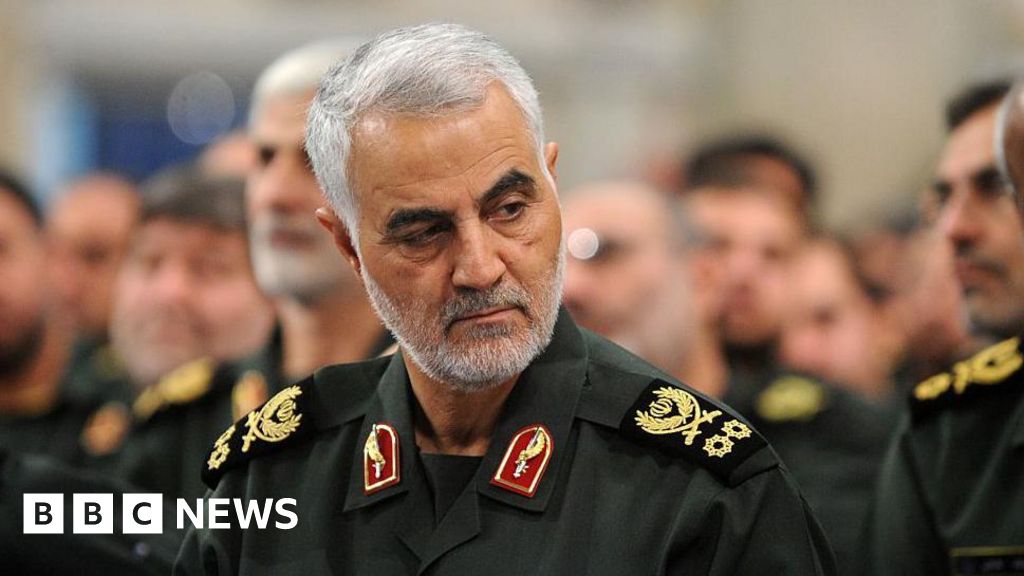
Qasem Soleimani, who was a key commander of Iran’s Quds Force until his death in a US drone strike in January 2020, remains a significant figure in Middle Eastern geopolitics. His family members have occasionally been subjects of international attention due to their association with him. The current detainment reflects ongoing efforts by US authorities to monitor and regulate immigration cases linked to individuals with potential security risks.
Implications and Broader Impact
This incident highlights the intersection of immigration enforcement and national security policies. According to recent data from the Department of Homeland Security, ICE conducted over 158,000 arrests in fiscal year 2023, focusing on individuals with criminal records or ties to foreign entities. The detention of Soleimani’s relatives underscores the agency’s commitment to addressing perceived threats while navigating complex legal and diplomatic challenges.
Looking Ahead: What This Means for Immigration and Security
As the US continues to balance immigration control with international diplomacy, cases like this may become more frequent. Experts suggest that enhanced vetting procedures and intelligence sharing between agencies will be crucial in managing such sensitive situations. The evolving geopolitical landscape necessitates vigilant but fair immigration practices to safeguard national interests without compromising humanitarian standards.
