
Table of Contents
Exploring the Expanding Landscape of Nigeria’s Food Industry
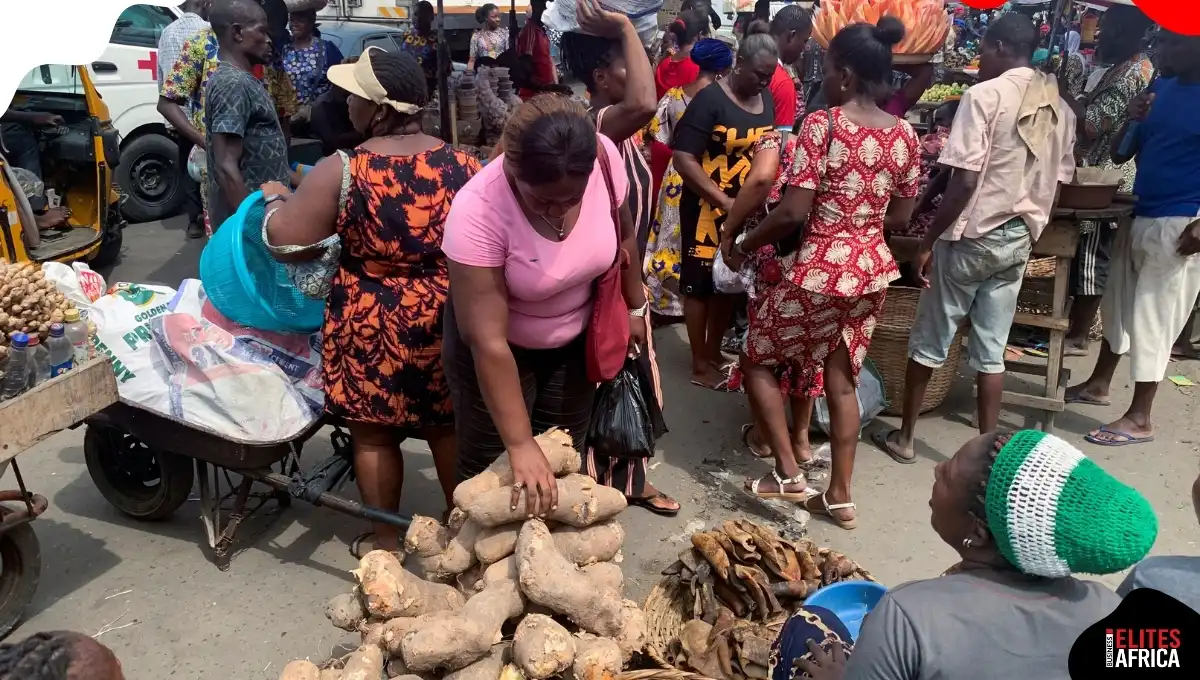
Nigeria’s food sector is on a remarkable growth trajectory, with projections estimating its market value to reach approximately $233.53 billion by 2025. Forecasts indicate a robust compound annual growth rate (CAGR) of 10.76% from 2025 through 2030, signaling significant opportunities for investors, producers, and stakeholders alike.
Market Dynamics and Growth Drivers
According to Paul Marz, Managing Director of fairtrade Messe-the organization behind the renowned agrofood Nigeria Exhibition and Conference-this surge is fueled by a combination of rising population, urbanization, and increasing consumer demand for diverse and quality food products. Nigeria’s youthful demographic and expanding middle class are pivotal in shaping consumption patterns, driving demand for both local and imported food items.
Emerging Trends and Opportunities in Nigeria’s Food Sector
Beyond traditional staples, there is a growing appetite for processed foods, organic produce, and convenience-oriented products. For instance, the rise of e-commerce platforms has revolutionized food distribution channels, enabling wider reach and accessibility. Additionally, innovations in food technology and sustainable agriculture practices are gaining traction, aligning with global trends toward health-conscious and environmentally friendly consumption.
Comparative Insights: Nigeria in the African Food Market
When compared to other African nations, Nigeria stands out as a dominant player due to its vast population exceeding 220 million and its strategic position as a regional trade hub. Countries like Kenya and South Africa also exhibit strong food markets but with slower growth rates, highlighting Nigeria’s unique potential. For example, Kenya’s food market is projected to grow at around 7% annually, underscoring Nigeria’s accelerated expansion.
Challenges and Strategic Considerations
Despite the promising outlook, the Nigerian food industry faces challenges such as infrastructural deficits, supply chain inefficiencies, and regulatory hurdles. Addressing these issues through public-private partnerships, investment in cold chain logistics, and policy reforms will be crucial to sustaining growth and enhancing food security.
Looking Ahead: The Future of Nigeria’s Food Market
With the global food industry evolving rapidly, Nigeria’s market is poised to become a key player on the international stage. Stakeholders are encouraged to leverage technological advancements, embrace sustainable practices, and tap into emerging consumer trends to capitalize on the sector’s vast potential. The upcoming agrofood Nigeria Exhibition and Conference remains a vital platform for networking, knowledge exchange, and showcasing innovations that will shape the future of food in Nigeria.
