
Table of Contents
Accountability to Follow Diesel Tanker Overturn on Apapa Bridge
Authorities have confirmed that the driver involved in the diesel tanker accident on Apapa Bridge, near Mile 2 inbound, will face disciplinary measures after a thorough investigation.
Incident Overview and Immediate Response
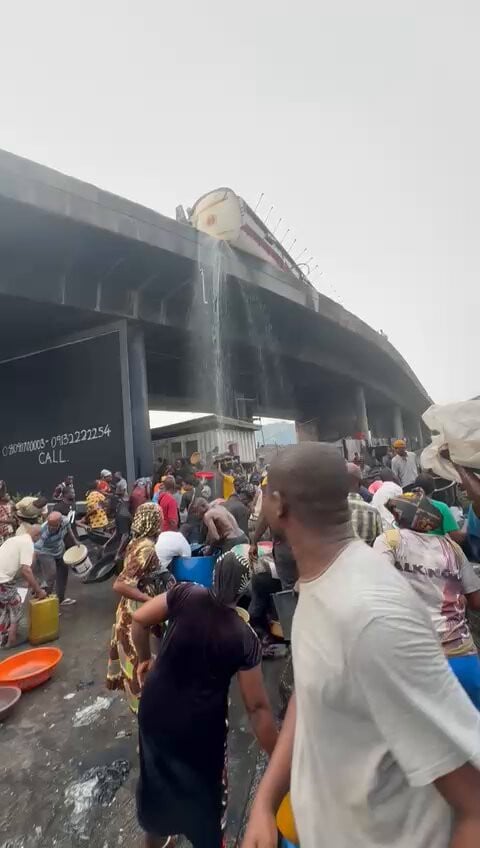
On Monday, January 19, a tanker carrying diesel overturned on the Apapa Bridge, resulting in a significant fuel spill across the roadway. The incident quickly attracted local residents, some of whom were recorded collecting diesel from the scene, raising safety concerns.
Following the accident, emergency responders acted promptly to mitigate potential hazards. The Lagos State Fire Service dedicated additional hours to thoroughly clean the spilled fuel, successfully preventing any fire outbreaks. The area was secured and cleared soon after the tanker was removed to ensure public safety.
Investigation and Accountability Measures
Olalekan Bakare-Oki, General Manager of the Lagos State Traffic Management Authority (LASTMA), spoke on Channels Television’s Morning Brief on January 20, emphasizing that the Nigeria Police Force is leading the investigation into the crash. He stated, “The police are responsible for probing all traffic accidents, and I am confident that the driver will be held accountable once the investigation concludes.”
Bakare-Oki also clarified that LASTMA has not yet drawn any conclusions regarding the cause of the accident, awaiting the official police report before making further statements.
Context and Safety Implications
Diesel tanker accidents pose significant risks, including fire hazards and environmental contamination. According to recent data from the Lagos State Emergency Management Agency (LASEMA), tanker-related incidents have accounted for over 15% of traffic accidents in the region in the past year, underscoring the need for stringent safety protocols and driver accountability.
This event highlights the critical importance of coordinated emergency response and thorough investigations to prevent recurrence and safeguard public welfare on Lagos’s busy transport corridors.
