
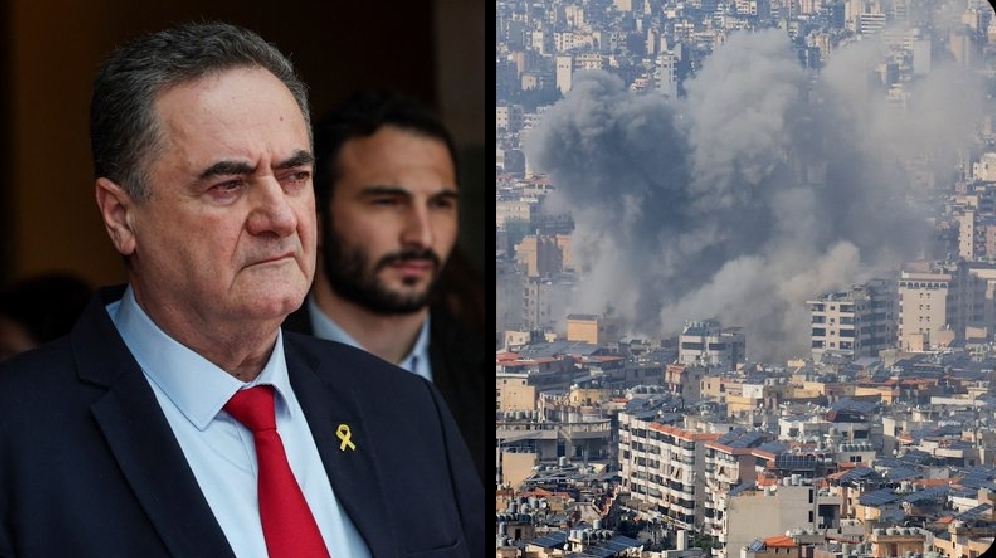
Regional tensions intensified sharply after Israeli Defense Minister Israel Katz declared that there would be “no calm in Beirut” unless Hezbollah halts its attacks, signaling a potentially dangerous new phase in the confrontation between Israel and the Iran-backed Lebanese group. The warning comes as Israeli military operations continue deeper into southern Lebanon amid growing concerns that the conflict could expand further beyond existing battle zones.
Katz specifically referenced Beirut’s southern suburbs, long regarded as a Hezbollah stronghold, arguing that residents there should not expect stability if northern Israeli communities continue facing attacks. The statement was accompanied by renewed Israeli military activity and reports of strikes targeting Hezbollah-linked infrastructure. Israeli officials maintain that the operations are necessary to remove security threats and create a military-controlled buffer zone extending toward the Litani River in southern Lebanon.
The rhetoric reflects a significant escalation in messaging. Previous confrontations between Israel and Hezbollah have often been contained through diplomatic pressure and limited military responses. However, recent developments suggest a growing willingness by Israeli leadership to intensify operations if attacks persist. Prime Minister Benjamin Netanyahu has already signaled support for expanded military action, further raising concerns about the possibility of a wider regional conflict.
Lebanese authorities have condemned the ongoing operations, accusing Israel of violating ceasefire understandings and destabilizing the region. Meanwhile, Hezbollah continues to frame its activities as part of a broader regional resistance campaign linked to developments in Gaza and elsewhere. The result is an increasingly interconnected conflict environment in which local clashes risk triggering broader geopolitical consequences involving Iran, the United States, and multiple armed groups across the Middle East.
With diplomatic efforts already under severe strain, the latest warning from Israel adds another layer of uncertainty to an already volatile situation. As military operations continue and both sides harden their positions, fears are growing that Lebanon could become the next major flashpoint in a conflict that increasingly stretches across multiple borders.
