
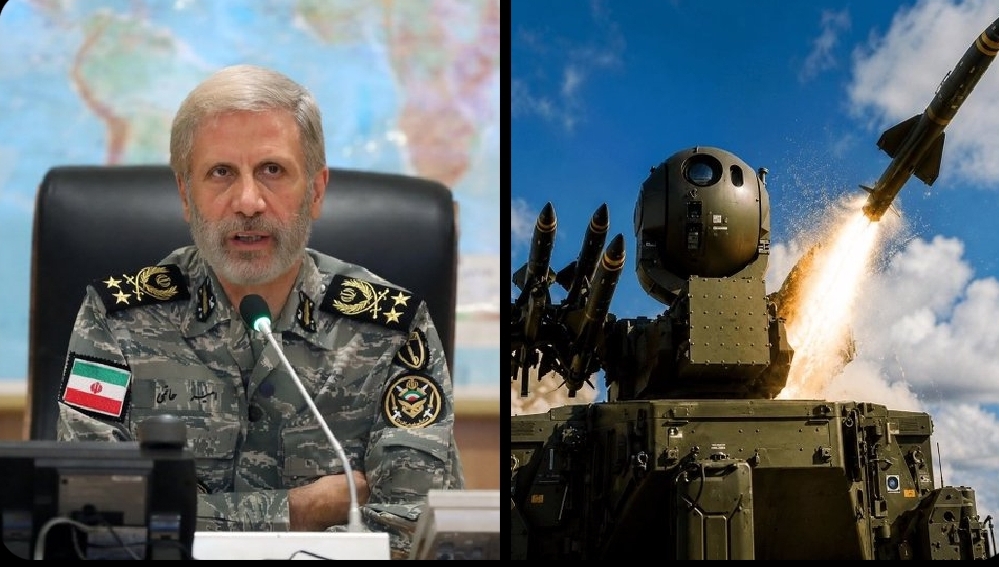
The Middle East moved closer to a potential regional escalation after Iran issued a fresh warning that another strike could occur within 48 hours if the United States interferes again in the Strait of Hormuz, one of the world’s most strategically important maritime corridors. The warning arrives amid already heightened tensions following the collapse of indirect negotiations between Tehran and Washington and renewed military activity across the region.
The Strait of Hormuz remains a critical artery for global energy supplies, with a substantial portion of the world’s seaborne oil exports passing through the narrow waterway. Any threat to shipping access immediately reverberates across international markets, often triggering spikes in oil prices and concerns over economic stability. Iranian officials have increasingly linked the waterway to broader geopolitical disputes, arguing that continued pressure from the United States and its allies could prompt stronger retaliatory measures.
Recent reports suggest that Tehran is considering a more aggressive maritime strategy involving restrictions on shipping traffic and possible coordination with allied groups operating around other regional chokepoints. Such actions would dramatically increase pressure on global trade networks already coping with instability in multiple regions. Market analysts warn that even the perception of disruption in Hormuz can significantly affect energy pricing because traders factor geopolitical risk into supply forecasts.
The warning also underscores how closely interconnected the region’s conflicts have become. Disputes involving Lebanon, Gaza, U.S. military operations, and maritime security are no longer unfolding as separate crises. Instead, each development increasingly influences the others, creating a highly unpredictable security environment where diplomatic failures can rapidly produce military consequences.
For global leaders, the message from Tehran is clear: the Strait of Hormuz is no longer merely an economic route but a central pressure point in the broader struggle for influence across the Middle East. Whether the warning evolves into direct confrontation or remains part of strategic deterrence efforts, the next several days may prove critical in determining whether the region moves toward de-escalation or a significantly wider conflict.
