
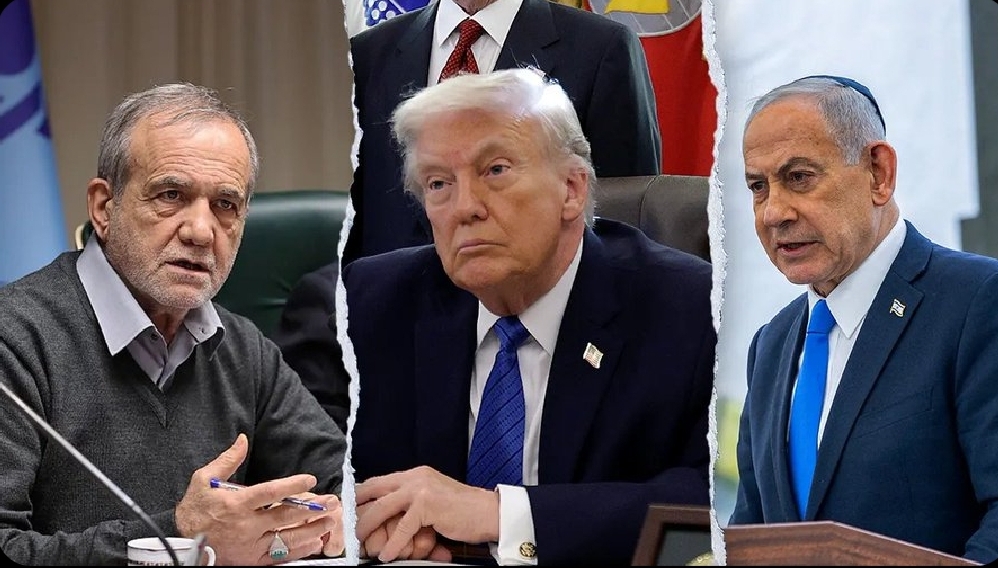
A major diplomatic breakthrough that reportedly stood on the verge of completion has dramatically unraveled after Iran suspended all negotiations and indirect text exchanges with the United States, escalating fears of a wider regional conflict that could disrupt global energy markets and international security.
According to multiple reports, Tehran walked away from negotiations being conducted through Pakistani mediators after accusing Israel of violating ceasefire conditions through continued military operations in Lebanon. Iranian officials insist that Lebanon was one of the central preconditions attached to the broader ceasefire framework and argue that Israeli military actions effectively invalidated the entire arrangement.
The collapse of talks is being viewed by analysts as one of the most dangerous diplomatic setbacks in recent months because the agreement was reportedly close to completion before tensions surged again. Tehran has now declared that no further negotiations will occur unless Israel withdraws from occupied areas in southern Lebanon and halts military operations in both Lebanon and Gaza.
Iranian Foreign Minister Abbas Araghchi reportedly stated that a violation on one front constitutes a violation of the ceasefire across all fronts, placing responsibility for future consequences on both Israel and its Western allies.
The most alarming development, however, may be Iran’s threat to completely block the Strait of Hormuz, one of the most important oil transit routes in the world.
Iranian media reports indicate that Tehran and allied groups within the so-called Resistance Front are considering coordinated actions that could extend beyond Hormuz to include the Bab el-Mandeb Strait, another critical shipping corridor connecting global trade routes. Energy traders immediately reacted to the reports, with oil prices rising sharply amid fears that disruptions could impact a significant portion of global crude exports.
The diplomatic breakdown comes at a particularly fragile moment for the Middle East. What began as attempts to contain conflict through indirect negotiations now risks transforming into a broader regional confrontation involving multiple fronts stretching from Lebanon to the Gulf. With tensions rising, military rhetoric intensifying, and vital maritime routes potentially becoming geopolitical battlegrounds, the collapse of these talks may represent more than a failed agreement—it could mark the beginning of a far more volatile phase in the region’s crisis.
