
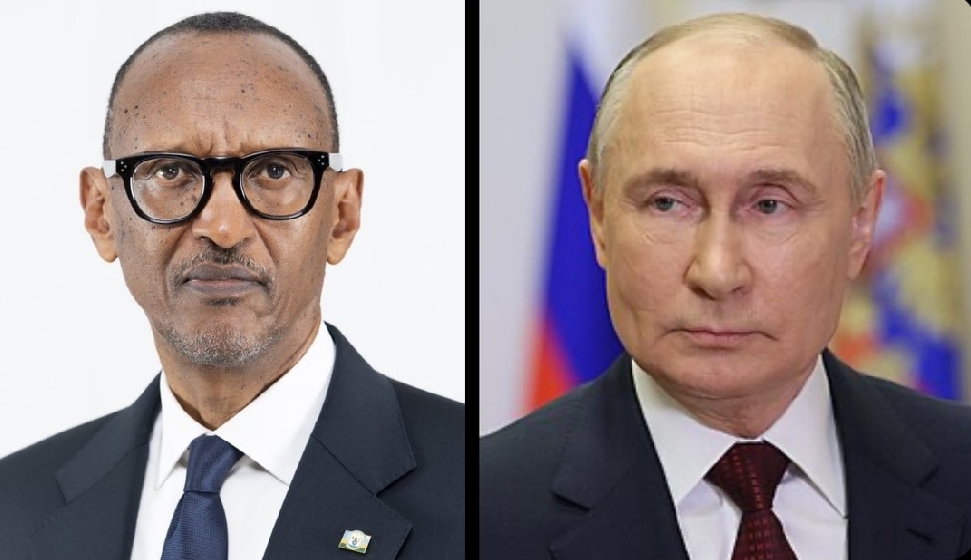
In a significant step underscoring Rwanda’s commitment to technological advancement and sustainable development, the East African nation has signed a new nuclear cooperation agreement with Russia. The Memorandum of Understanding (MoU), inked on May 19, 2026, during the Nuclear Energy Innovation Summit for Africa (NEISA) in Kigali, builds on longstanding ties and positions Rwanda as a potential regional hub for nuclear science, medicine, and clean energy. The agreement, involving Russia’s state nuclear corporation Rosatom, focuses on several key areas including nuclear medicine for advanced healthcare applications, energy research, scientific collaboration, personnel training, and the potential development of nuclear power infrastructure. This development extends the foundations laid by a 2018 intergovernmental framework agreement on the peaceful uses of nuclear energy and a 2019 roadmap that envisioned a Centre for Nuclear Science and Technology in Rwanda, complete with a research reactor.
President Paul Kagame’s government has consistently emphasized innovation as a cornerstone of Rwanda’s progress. Hosting the NEISA summit in Kigali highlighted this vision, bringing together African leaders, global experts, and partners to discuss turning nuclear energy ambitions into tangible, investable realities. Rwandan officials framed the partnership not merely as a bilateral deal but as a strategic move to drive healthcare improvements through nuclear medicine, bolster research capabilities, and address long-term energy security needs in a country aiming for rapid industrialization. Rosatom’s involvement opens doors to expertise in small modular reactor (SMR) technology and broader nuclear applications. Reports indicate progress toward Rwanda’s first commercial nuclear infrastructure, with training programs for Rwandan specialists in Russia and feasibility studies advancing. This aligns with broader African efforts to diversify energy sources beyond traditional hydro and fossil fuels, embracing nuclear power for reliable, low-carbon electricity.
What makes this partnership noteworthy is Rwanda’s pragmatic, multi-partner approach to development. Alongside the Russian deal, Kigali has engaged with the United States on civil nuclear cooperation and struck agreements with entities from South Africa and Austria. This diversification reflects a maturing diplomatic strategy: seeking technology and investment without ideological preconditions, allowing Rwanda to chart its own path toward becoming a tech and innovation leader on the continent.
Reactions across social media and analytical circles have been largely positive from those tracking Africa’s geopolitical shifts. Many praise President Kagame’s “quiet progress” in positioning Rwanda at the forefront of advanced technologies. Supporters highlight how such deals bypass the conditionalities often attached to Western partnerships, enabling faster delivery on infrastructure and capacity-building goals. Critics, however, raise familiar concerns about governance, regional dynamics, and proliferation risks—debates that often accompany Africa’s growing engagement with non-traditional partners like Russia and China. For Rwanda, a landlocked country with ambitious Vision 2050 goals, reliable energy is non-negotiable. Nuclear technology promises not only power generation but also breakthroughs in agriculture (through irradiation techniques), water management, and medical isotopes for cancer treatment—areas critical for improving quality of life.
As Africa grapples with surging energy demands amid population growth and climate pressures, deals like this one between Russia and Rwanda exemplify a new era. They signal a continent increasingly assertive in choosing partners that deliver results over rhetoric. Whether this leads to operational nuclear facilities by the early 2030s remains to be seen, but the momentum is clear: Rwanda is not waiting on the sidelines of the global energy transition—it is actively shaping its role in it.
