
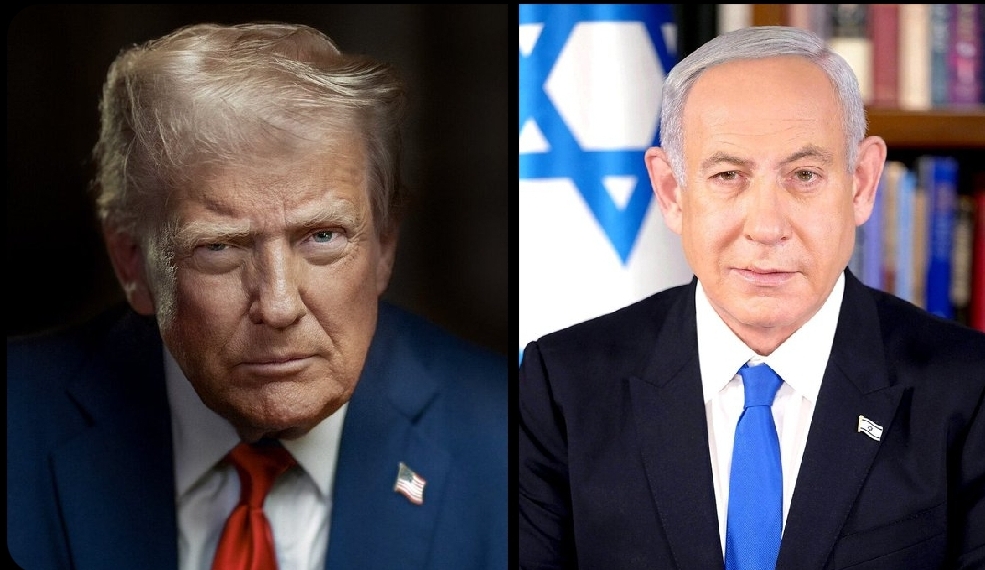
A reported phone conversation between U.S. President Donald Trump and Israeli Prime Minister Benjamin Netanyahu has triggered international headlines after reports emerged that Trump delivered one of his harshest criticisms yet of the Israeli leader. According to reports first published by Axios, Trump allegedly accused Netanyahu of acting recklessly amid escalating tensions in the Middle East and warned that Israel’s growing military actions were damaging both its global standing and broader regional stability. The reported exchange marks a significant moment in U.S.-Israeli relations because Trump has historically been viewed as one of Israel’s strongest allies.
The dispute reportedly centered on Israel’s military posture in Lebanon and wider concerns surrounding regional escalation involving Iran and Hezbollah. Sources familiar with the conversation told Axios that Trump was frustrated by actions he believed could undermine ongoing diplomatic efforts and potentially drag the region into a larger conflict. According to those reports, Trump warned Netanyahu that additional military escalation could further isolate Israel internationally and complicate broader negotiations being pursued by Washington.
The significance of the reported confrontation extends beyond the personalities involved. It reflects growing pressure on world leaders as conflicts across the Middle East become increasingly interconnected. The wars in Gaza, tensions with Iran, Hezbollah’s activities in Lebanon, and concerns about regional security have created an environment in which every military decision carries global consequences. For Netanyahu, criticism from a traditionally supportive U.S. administration could signal a shifting diplomatic landscape. For Trump, the remarks suggest a growing emphasis on preventing a wider regional war that could destabilize global markets and security arrangements.
While officials on both sides have sought to portray ongoing communications as productive, the reported language used during the call has highlighted the extent of frustration behind closed doors. Whether the disagreement represents a temporary dispute or a deeper strategic divergence remains unclear. However, it has already underscored a reality becoming increasingly evident in global politics: even the strongest alliances can face significant strain when regional conflicts threaten to spiral beyond control.
