
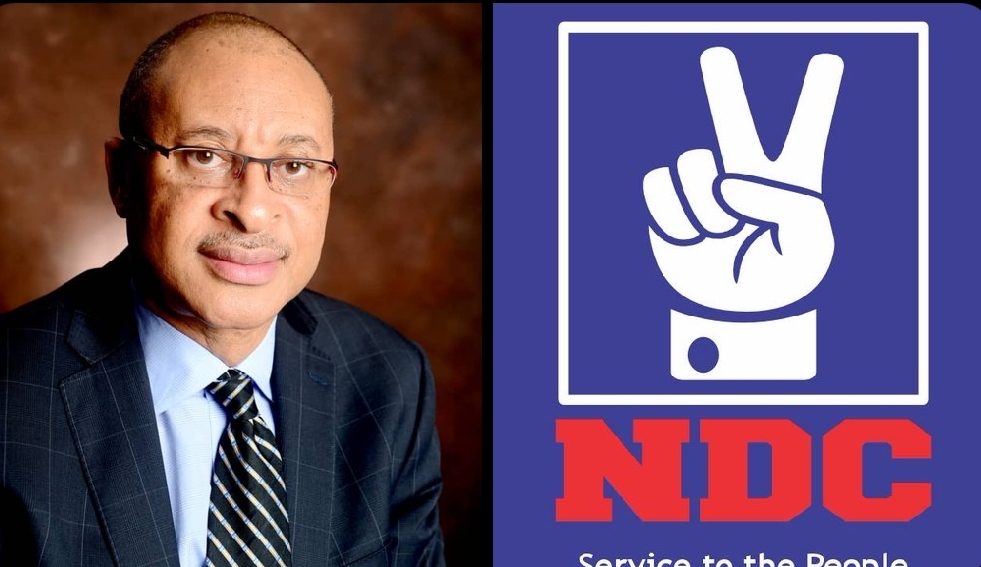
A fresh debate about electoral transparency has emerged in Nigeria after economist and political activist Pat Utomi stated that preparations are underway for an independent election result transmission system ahead of the country’s 2027 general elections. According to Utomi, the proposed platform would allow election results from polling units across Nigeria to be transmitted live and monitored globally through major international media organizations and credible domestic news platforms. The proposal has immediately attracted attention because of Nigeria’s long history of disputes surrounding election collation, result transmission, and public confidence in the electoral process.
The idea comes at a time when electoral transparency remains one of the most discussed issues in Nigerian politics. Following controversies surrounding previous elections, civil society groups, election observers, and reform advocates have repeatedly called for stronger technological safeguards to improve public trust. Earlier efforts to expand electronic transmission of results sparked intense debate among lawmakers and political stakeholders, with supporters arguing that technology can reduce opportunities for manipulation while critics raised concerns about connectivity challenges in remote areas. In recent months, Nigeria’s legislature has shown increased support for reforms aimed at strengthening real-time result transmission mechanisms ahead of the next election cycle.
Utomi’s proposal goes even further by envisioning a system that would not only transmit results electronically but also make the process visible to a global audience. Supporters argue that such transparency could significantly strengthen confidence in election outcomes by allowing citizens, observers, and international stakeholders to monitor developments in real time. They believe increased visibility would make it more difficult for irregularities to occur unnoticed and could help reinforce democratic credibility in Africa’s largest democracy.
However, the proposal is likely to face significant questions regarding implementation, legal authority, cybersecurity, logistics, and coordination with official electoral institutions. Election experts note that any independent monitoring platform would need to operate within existing electoral laws while ensuring that transmitted information remains accurate, secure, and resistant to manipulation. Questions also remain regarding how such a system would interact with official results announced by Independent National Electoral Commission and whether international media organizations would formally participate in the initiative.
Regardless of how the proposal evolves, it highlights a growing desire among many Nigerians for greater transparency in the electoral process. With the 2027 elections still months away, discussions surrounding technology, accountability, and election integrity are already shaping the political landscape. If successfully implemented, an independent monitoring framework could become one of the most ambitious election transparency initiatives ever attempted in Nigeria. If not, it will still have succeeded in reigniting a national conversation about how technology can strengthen democratic institutions in one of Africa’s most influential nations.
