
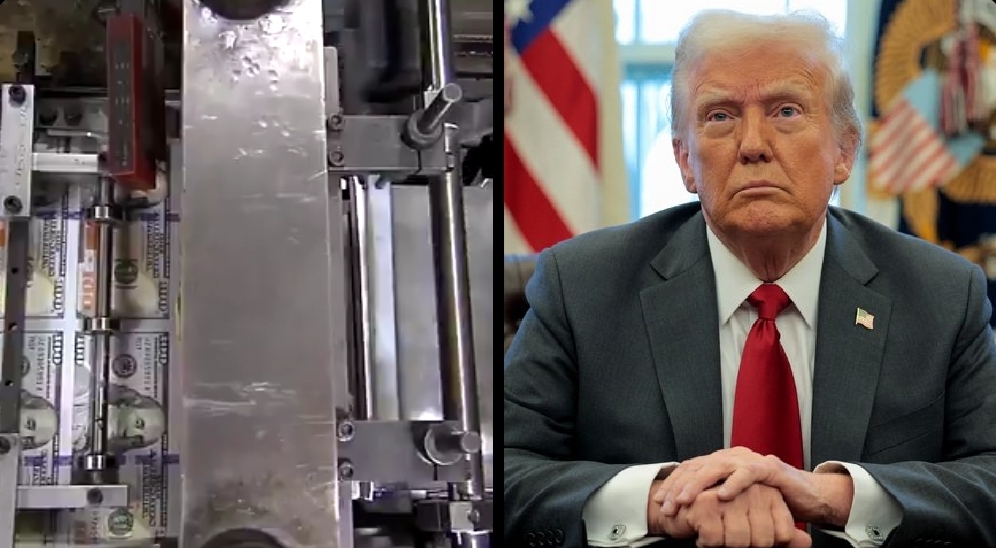
A major symbolic shift in American financial tradition is approaching after reports emerged that the United States Department of the Treasury will begin using President Donald Trump’s signature on newly issued paper currency within the next 30 days, ending a practice that has remained largely unchanged for over 165 years.
In the United States, Treasury signatures printed on paper currency traditionally belong to serving Treasury officials rather than directly reflecting presidential branding in such a visible manner. The reported change has already sparked debate among political commentators, historians, and financial observers about symbolism, executive influence, and presidential legacy.
Supporters view the move as largely ceremonial and consistent with administrative authority over currency design and Treasury oversight. Critics, however, argue the decision represents a departure from longstanding institutional norms designed to separate national currency symbolism from overt political personalization.
Historically, changes involving U.S. currency carry significance beyond simple design adjustments because the dollar remains the world’s dominant reserve currency and a central symbol of American economic identity. Even subtle modifications often generate strong public reaction due to the cultural and political importance attached to national money.
The development reflects a broader pattern in modern politics where symbolism, branding, and institutional tradition increasingly intersect in highly visible ways. Whether the change becomes a lasting precedent or a temporary political statement, it has already succeeded in reigniting debate over the evolving relationship between presidential power and American institutions.
