
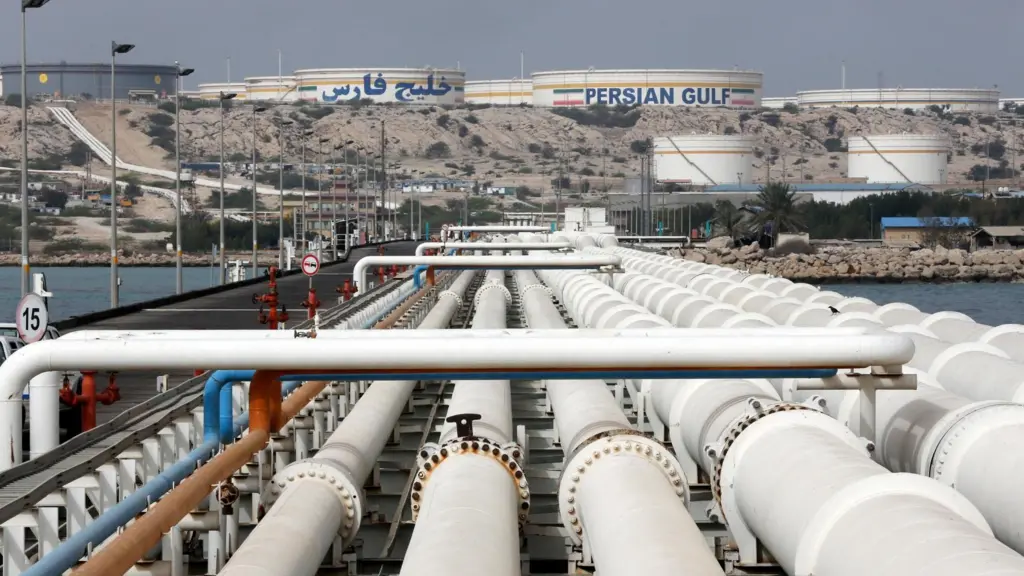
Fresh concerns have emerged in the Middle East following reports of heightened military activity involving the United States and Iran, raising fears of a broader regional conflict.
The situation intensified after the United States reportedly targeted vessels suspected of violating restrictions linked to Iranian oil exports. The developments have triggered strong reactions from Tehran, with Iranian officials accusing Washington of further destabilising the already fragile security environment in the Gulf.
The crisis has drawn international attention due to the strategic importance of the Strait of Hormuz, a vital shipping route through which a significant portion of the world’s oil supply passes. Any disruption in the area could have serious consequences for global energy markets and international trade.
Diplomatic efforts to prevent further escalation have continued behind the scenes, with several world leaders urging restraint and calling for renewed dialogue. Analysts warn that miscalculations by either side could lead to a wider confrontation with far-reaching geopolitical and economic effects.
As the situation evolves, governments across the world are closely monitoring developments while assessing the potential impact on regional stability, oil prices and the safety of international shipping routes.
The latest events underscore the fragile nature of Middle Eastern geopolitics and the urgent need for diplomatic solutions to prevent a deeper crisis.
