
Fresh tensions have emerged in the Middle East following reports of massive explosions in Sirik, a coastal area in Iran located close to the highly strategic Strait of Hormuz. The incident has quickly drawn international attention because of the region’s importance to global oil supply routes and ongoing geopolitical tensions involving regional and global powers.
According to early reports circulating across international monitoring platforms and global security analysts, multiple explosions were observed near infrastructure areas around Sirik. While Iranian authorities have not immediately released detailed confirmation regarding the cause, speculation ranges from military activity and weapons testing to possible industrial or security-related incidents. The absence of immediate clarity has intensified global concern, particularly given the sensitive location of the event.
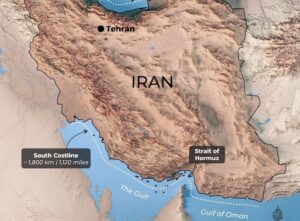
The Strait of Hormuz remains one of the world’s most critical maritime chokepoints, connecting the Persian Gulf to international waters. Nearly a fifth of global oil shipments pass through this narrow passage daily, making any instability in the area capable of triggering worldwide economic reactions. Even unconfirmed security threats around the strait often lead to fluctuations in global oil prices, shipping insurance costs, and energy market volatility.
Regional tensions have already been elevated in recent months due to disputes involving Iran, Western nations, and ongoing conflicts across the Middle East. The explosions near Sirik come at a time when diplomatic negotiations concerning sanctions, nuclear policy, and maritime security remain fragile. Analysts warn that incidents occurring close to vital shipping lanes can quickly escalate from localized events into international security crises if misinterpreted or politicized.
International observers are closely monitoring whether the explosions were linked to military exercises, defensive operations, or accidental industrial incidents. Historically, Iran has conducted naval drills and missile tests in nearby waters, often signaling strategic strength during periods of heightened geopolitical pressure. However, without official confirmation, governments and global markets are adopting a cautious wait-and-see approach.
The situation also raises broader concerns about global energy stability. Any prolonged security threat near the Strait of Hormuz could affect oil exports from Gulf nations, disrupt maritime trade routes, and increase transportation risks for commercial vessels traveling between Asia, Europe, and North America. For many countries dependent on imported energy, stability in this corridor remains essential to economic security.
Diplomatic channels are expected to play a key role in preventing escalation. International organizations and regional stakeholders typically encourage transparency following such incidents to reduce speculation and prevent unintended confrontation. Experts emphasize that communication between military forces operating in the region is critical to avoiding miscalculations that could widen tensions.
As investigations continue, global attention remains fixed on developments from Iran’s southern coastline. Whether the explosions prove to be a contained domestic incident or a signal of rising geopolitical friction, the event underscores once again how events in strategic regions can rapidly capture worldwide attention and influence international stability.
