
Table of Contents
Naim Qassem’s Recent Speech: Hezbollah’s Strategic Outlook and Regional Implications
Hezbollah Deputy Leader’s Public Address
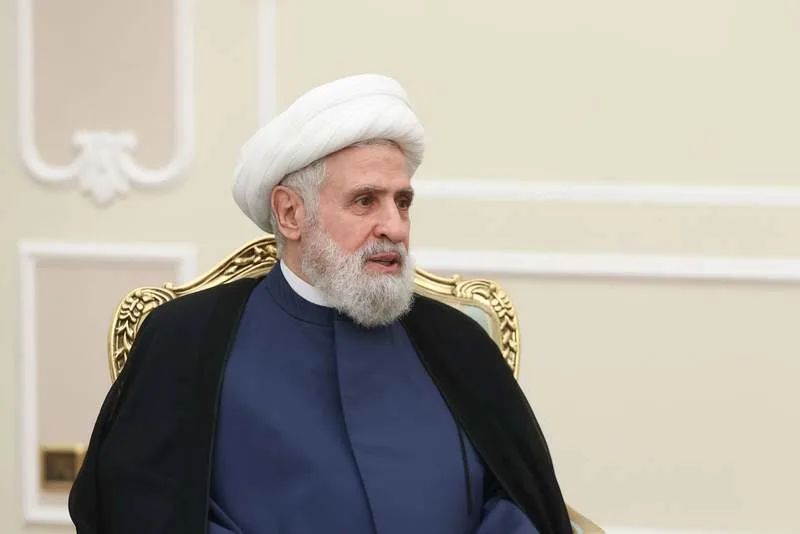
On Monday, Naim Qassem, the deputy head of Hezbollah, delivered a televised speech that outlined the organization’s current stance and future objectives. His remarks provided insight into Hezbollah’s evolving role within Lebanon and the broader Middle East geopolitical landscape.
Key Themes and Strategic Priorities
Qassem emphasized Hezbollah’s commitment to maintaining its military capabilities as a deterrent against external threats, particularly from Israel. He reiterated the group’s dedication to supporting Palestinian resistance movements, highlighting recent developments in Gaza as a catalyst for renewed solidarity. Additionally, Qassem underscored the importance of political engagement within Lebanon, signaling Hezbollah’s intent to strengthen its influence through parliamentary participation and social programs.
Contextualizing Hezbollah’s Position Amid Regional Dynamics
In light of recent escalations in the Israel-Palestine conflict, Hezbollah’s rhetoric reflects a broader trend of increased militancy among non-state actors in the region. According to a 2024 report by the International Crisis Group, Hezbollah has expanded its network of alliances, including closer ties with Iranian-backed militias in Syria and Iraq. This strategic alignment enhances its operational reach and complicates efforts toward regional stability.
Implications for Lebanon’s Internal Politics
Qassem’s address also touched on Lebanon’s fragile political environment, where Hezbollah remains a dominant force. The group’s dual role as both a political party and an armed militia continues to shape the country’s governance and security policies. Recent parliamentary elections saw Hezbollah-backed candidates secure significant seats, reinforcing the organization’s influence amid ongoing economic challenges and public discontent.
Looking Ahead: Hezbollah’s Future Trajectory
As Hezbollah navigates a complex regional and domestic landscape, Qassem’s speech signals a strategic balancing act between military preparedness and political legitimacy. Analysts suggest that the group’s ability to adapt to shifting alliances and public sentiment will be crucial in determining its long-term impact on Middle Eastern geopolitics.
