
Table of Contents
Table of Contents
- Kenya’s KCB Group Expands Fintech Footprint with Minority Stake in Pesapal
- Strategic Investment in Pesapal: A Step Toward Fintech Innovation
- Building on Previous Acquisitions to Strengthen Digital Payment Infrastructure
- Why Payments Platforms Are Central to KCB’s Growth Strategy
- Pesapal’s Role in East Africa’s Digital Economy
- Robust Financial Performance Fuels KCB’s Fintech Ambitions
Kenya’s KCB Group Expands Fintech Footprint with Minority Stake in Pesapal
KCB Group, recognized as Kenya’s largest commercial bank by asset size, is set to acquire a minority interest in Pesapal, a leading digital payments provider in East Africa. This strategic move underscores KCB’s commitment to deepening its presence in the fintech sector amid growing competition within the digital payments landscape.
Strategic Investment in Pesapal: A Step Toward Fintech Innovation
On October 31, KCB announced its intention to purchase an undisclosed minority shareholding in Pesapal Limited, a licensed payment service provider regulated by the Central Bank of Kenya (CBK). This transaction is pending regulatory clearance. The bank highlighted that this investment will catalyze the creation of innovative payment solutions tailored for Kenya’s small and micro enterprises, ultimately enhancing value for stakeholders of both entities.
Building on Previous Acquisitions to Strengthen Digital Payment Infrastructure
This latest acquisition follows KCB’s earlier $15.4 million (KES 2 billion) purchase of a 75% stake in Riverbank Solutions, a Nairobi-based fintech firm specializing in digital payment infrastructure for banks, government bodies, and retailers. Together, these investments mark a deliberate pivot from traditional banking services toward becoming a comprehensive platform-based financial services provider.
Why Payments Platforms Are Central to KCB’s Growth Strategy
KCB’s dual investments in Pesapal and Riverbank reflect a broader industry trend where banks are increasingly focusing on payments, embedded finance, and data-driven services as key growth drivers. With traditional bank lending slowing, owning and operating payment platforms is viewed as critical to future-proofing financial services.
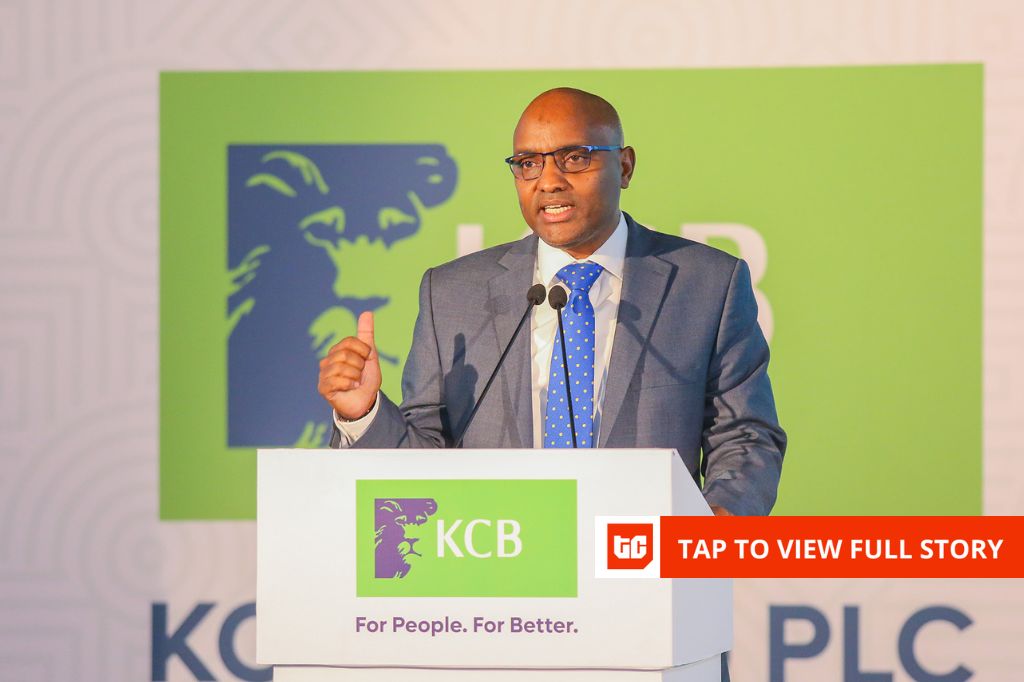
Paul Russo, KCB’s CEO, emphasized in a March interview with TechCabal that these fintech investments are designed to enhance the bank’s digital capabilities, delivering “seamless, secure, and innovative” financial solutions. He noted that payments are projected to be the fastest-growing segment in the region, presenting significant opportunities for innovation and expansion.
Pesapal’s Role in East Africa’s Digital Economy
Founded in 2009 by entrepreneur Agosta Liko, Pesapal is a cornerstone of East Africa’s e-commerce and service payment ecosystem. The company facilitates payment processing for thousands of merchants across Kenya, Uganda, and Tanzania, supporting card and mobile money transactions through integrations with Visa, Mastercard, American Express, and M-Pesa.
Pesapal’s services span multiple sectors including hospitality, education, and transportation, making it a vital enabler of digital commerce. By partnering with Pesapal, KCB aims to strengthen its foothold in the merchant acquiring space and expand its reach within the SME payments market, leveraging its extensive agent and merchant network.
Robust Financial Performance Fuels KCB’s Fintech Ambitions
KCB’s fintech expansion is backed by impressive financial results. The bank reported a 64.9% increase in profit after tax for the fiscal year 2024, reaching $477.9 million (KES 61.8 billion). This growth was driven by strong revenue performance across all business units. Additionally, non-interest income, which includes earnings from non-banking services, rose by 16.5% to $522 million (KES 67.5 billion), buoyed by increased foreign exchange trading activities.
These robust financials provide a solid foundation for KCB’s ongoing investments in digital payment platforms, positioning the bank to capitalize on the evolving fintech landscape in Kenya and the broader East African region.
