

Table of Contents
Table of Contents
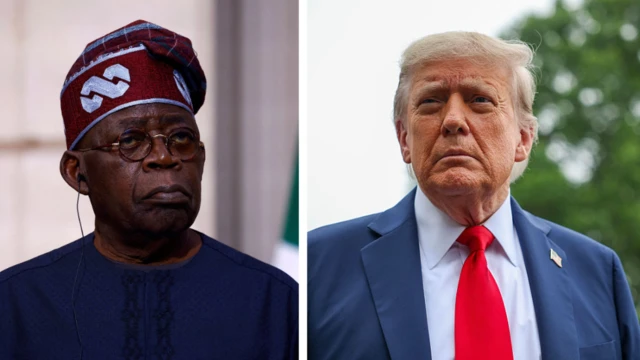
U.S. Initiates Sanctions Against Northern Nigerian Leaders Over Religious Rights Concerns
The United States government has launched a significant initiative targeting twelve northern Nigerian governors, high-ranking judges, and influential traditional leaders. This action stems from allegations of religious persecution, which U.S. lawmakers have characterized as a “Christian genocide” occurring in the northern regions of Nigeria.
Washington’s concerns focus on the enforcement of Sharia law and blasphemy statutes in several northern states, which critics argue have contributed to systemic discrimination and violence against Christian minorities and other vulnerable groups.
Legislative Measures and Proposed Sanctions
The proposed legislation, known as the Nigeria Religious Freedom Accountability Act of 2025 and championed by Senator Ted Cruz, seeks to impose punitive actions on officials accused of fostering religious intolerance. The bill designates Nigeria as a “Country of Particular Concern” and calls for sanctions including visa restrictions, asset freezes, and other penalties under the U.S. global human rights enforcement policies.
This bill also mandates close monitoring of states where Sharia criminal codes are actively applied, aiming to hold accountable those who “promoted, enacted, or maintained blasphemy laws.”
Geographical Scope and Legal Context
The states implicated in this initiative include Zamfara, Kano, Sokoto, Katsina, Bauchi, Borno, Jigawa, Kebbi, Yobe, Kaduna, Niger, and Gombe. In contrast, states such as Kwara, Kogi, Plateau, Benue, Nasarawa, Taraba, and Adamawa continue to operate under Nigeria’s secular legal framework, where Sharia law is limited to personal status issues.
Critics argue that the U.S. approach oversimplifies Nigeria’s complex security landscape. Nigerian authorities maintain that the violence in the North is primarily driven by terrorism, banditry, and criminal syndicates rather than religious persecution. They emphasize that Sharia law applies exclusively to Muslims and that constitutional courts have the authority to overturn Sharia rulings when necessary.
Political Reactions and Diplomatic Engagements
The situation escalated following statements from former U.S. President Donald Trump, who asserted that thousands of Christians have been killed in Nigeria and called for immediate American intervention. Trump urged Congress to investigate and hold accountable those responsible for the violence without delay.
In response, the Nigerian Presidency confirmed that President Bola Tinubu is scheduled to meet with Donald Trump to discuss these allegations and enhance bilateral counter-terrorism cooperation. Nigerian officials hope these discussions will clarify the situation and provide the U.S. with accurate information regarding the security challenges in Nigeria.
Potential Impact of Sanctions and Security Concerns
Experts warn that the imposition of sanctions could disrupt Nigeria’s access to U.S. military hardware, intelligence sharing, and foreign aid programs. They stress the importance of addressing persistent issues such as mob violence, religious tensions, and inadequate prosecution of blasphemy-related offenses to improve the country’s human rights record.
It is also important to recognize that extremist violence has affected both Muslim and Christian communities across Nigeria’s North-East, North-West, and North-Central zones, complicating the narrative of religious persecution.
Historical Context and Recent Incidents
One notable incident that intensified national and international attention was the May 2022 killing of Deborah Samuel in Sokoto State, accused of blasphemy. This tragic event sparked widespread outrage and calls for stronger legal protections and expedited justice for victims of religiously motivated violence.
According to recent data from the Nigeria Security Tracker, over 3,000 civilians have been killed in religious and communal conflicts in northern Nigeria since 2020, underscoring the urgency of comprehensive security and human rights reforms.
