OYO Gist
  • Home
  • Advertise With Us
  • Breaking News
  • Politics
    • Lagos
    • Oyo State
  • Entertainment
  • Celebrities
  • Business
    • money
    • Technology
  • International
  • People
  • sports
  • Health
Thursday, May 14, 2026
OYO Gist
Your browser does not support the video tag.
  • Home
  • Advertise With Us
  • Breaking News
  • Politics
    • Lagos
    • Oyo State
  • Entertainment
  • Celebrities
  • Business
    • money
    • Technology
  • International
  • People
  • sports
  • Health
Breaking News
Kanye West officially a billionaire according to Forbes, see the breakdown
Here are the Top 10 Afrobeats Albums of the Decade (iTunes)
BREAKING: Supreme Court confirms Gov Seyi Makinde as the elected governor of Oyo State.
Energy Power Struggle: Lavrov Accuses Trump Administration of Global Market Ambitions
India Turns to Coal Gasification as Energy Security Concerns Rise
Australia Cancels First Trump Tower Project as Brand Controversy Grows
José Mourinho’s Possible Real Madrid Return Gains Momentum
Russia Moves to End Dollar Dominance in European Energy Trade
Peter Obi’s London Engagement Signals Renewed Push for Economic Diplomacy and MSME Growth
“The Dream Is Close”: Cristiano Ronaldo Ignites Global Buzz as Football History Beckons
Nigerian Fashion Star Veekee James Welcomes First Child, Shares Emotional Announcement
U.S. Immigration Authorities Uncover Massive ‘Phantom Employee’ Fraud Linked to Foreign Student Work Program
Sergio Ramos Moves Toward Stunning Sevilla Takeover
OYO Gist
OYO Gist
  • Politics
  • Entertainment
  • International
Copyright 2021 - All Right Reserved
Clair Obscur sweeps The Game Awards with nine wins
Breaking NewsInternational

Clair Obscur sweeps The Game Awards with nine wins

by Ayodeji Onibalusi December 15, 2025
written by Ayodeji Onibalusi

Nemo Hands Back Eurovision Trophy Over Israel’s Continued Role in the Contest

A Groundbreaking Winner Makes a Political Statement

Nemo, the Swiss musician who broke records in 2024 as the first openly non-binary artist to win the Eurovision Song Contest, has announced their decision to return the iconic trophy. The move is a protest against Israel’s ongoing participation in the competition.

According to the 26-year-old artist, the situation presents a deep contradiction between Israel’s inclusion and Eurovision’s long-standing messaging around togetherness, inclusion, and human dignity.

A Decision Rooted in Values

Sharing their thoughts in a statement posted on Instagram, Nemo explained that the European Broadcasting Union (EBU) had taken a direction they could no longer reconcile with the contest’s stated principles.

Citing findings from a UN Independent International Commission of Inquiry published in September, Nemo said Israel’s continued participation during what the commission described as a genocide directly conflicted with Eurovision’s ethical stance.

While expressing appreciation for the support and growth the contest provided, Nemo said the award no longer felt right on their shelf. A video shared alongside the statement showed the trophy being packed into a box, ready to be shipped back to the EBU’s Geneva headquarters.

Organisers React to the Announcement

Eurovision director Martin Green responded by acknowledging Nemo’s position and expressing disappointment over the outcome.

“We are saddened by Nemo’s decision to return the trophy they rightfully earned,” Green said. “We respect their perspective and continue to regard them as an important part of the Eurovision community.”

Israel’s Inclusion Fuels International Backlash

Israel’s role in Eurovision has drawn growing criticism amid the ongoing war in Gaza and controversies surrounding voting practices during the 2025 contest.

In response, Iceland, Spain, Ireland, Slovenia, and the Netherlands have announced plans to boycott the 2026 edition of the competition unless Israel is barred from participating.

Israeli leaders, however, have framed their continued presence in the contest as a triumph over critics. President Isaac Herzog previously praised the decision as a show of solidarity and international cooperation.

The Biggest Crisis in Eurovision’s History

Contest organisers have described the current situation as the most serious challenge Eurovision has ever faced. Beyond boycotts, allegations emerged this year that Israel’s government sought to influence public voting.

These claims led the EBU to tighten competition rules. Following internal reviews, the organisation said most member broadcasters agreed there was no need for a fresh vote on participation, clearing the way for Eurovision 2026 to proceed.

Nemo on Isolation and Artist Welfare

After winning with their song The Code, which chronicles their journey toward embracing a non-binary identity, Nemo previously spoke openly about feeling unsupported during the controversy.

“I felt incredibly alone,” they told the BBC, calling on organisers to do more to protect artists navigating politically charged situations. Their comments helped spark new mental health safeguards for performers and staff.

“Art Without Values Is Empty”

Nemo stressed that returning the trophy was not an attack on fellow contestants or individual artists.

Instead, they warned that Eurovision risked being used to “polish the image of a state accused of serious wrongdoing.” According to Nemo, when multiple countries withdraw, it signals a fundamental problem.

“If the values we celebrate on stage aren’t practised off stage,” they said, “then even the most beautiful performances lose their meaning.”

Uncertainty Ahead for Eurovision’s 70th Anniversary

Eurovision 2026 is scheduled to take place in Vienna and is meant to celebrate the contest’s 70th anniversary. However, mounting protests and national boycotts now hang over what was intended to be a landmark celebration.

As debates around neutrality, ethics, and global politics continue, Nemo’s decision has intensified questions about whether Eurovision can truly remain separate from the world beyond the stage.


December 15, 2025 0 comments
0 FacebookTwitterPinterestLinkedinRedditWhatsappTelegramViberEmail
Eurovision winner Nemo to return trophy in protest at Israel
Breaking NewsInternational

Eurovision winner Nemo to return trophy in protest at Israel

by Ayodeji Onibalusi December 15, 2025
written by Ayodeji Onibalusi

Eurovision Winner Nemo Returns Trophy in Protest Over Israel’s Participation

A Historic Winner Takes a Stand

Nemo, the Swiss artist who made history in 2024 as the first non-binary performer to win the Eurovision Song Contest, has announced they are returning their trophy in protest against Israel’s continued involvement in the competition.

The 26-year-old musician said the decision was driven by what they described as a fundamental contradiction between Israel’s participation and Eurovision’s stated values of unity, inclusion, and dignity.

“This Trophy No Longer Belongs With Me”

In a statement shared on Instagram, Nemo said the European Broadcasting Union (EBU) had made a choice that no longer aligned with the contest’s ethical foundation.

Referencing a report released in September by the UN’s Independent International Commission of Inquiry, Nemo said Israel’s ongoing participation during what the commission described as a genocide represented a “clear conflict” with Eurovision’s ideals.

Although expressing gratitude for the Eurovision community and the personal growth the experience brought, Nemo said they no longer felt comfortable displaying the award. A video accompanied the post, showing the trophy being placed into a cardboard box to be returned to the EBU’s headquarters in Geneva.

Eurovision Responds to the Protest

Martin Green, Director of the Eurovision Song Contest, responded by acknowledging Nemo’s decision and expressing regret over the situation.

“We are saddened that Nemo wishes to return the trophy they rightfully earned in 2024,” Green said in a statement. “We respect the views they have shared and consider them a valued member of the Eurovision family.”

Israel’s Participation Sparks Widespread Boycotts

Israel’s presence at Eurovision has become increasingly controversial due to the ongoing war in Gaza and disputes surrounding voting during the 2025 contest.

Five countries—Iceland, Spain, Ireland, Slovenia, and the Netherlands—have confirmed they will boycott the 2026 competition because Israel remains eligible to compete.

Israeli officials have previously described the decision to retain Israel in the contest as a victory against critics, with President Isaac Herzog calling it a gesture of solidarity and cooperation.

Pressure Builds on Eurovision Organisers

The controversy surrounding Israel has been described by organisers as the biggest crisis in Eurovision’s history. In addition to boycotts, the contest faced allegations this year that Israel’s government attempted to influence public voting.

These claims led the EBU to revise and tighten voting rules. Following internal discussions, the organisation said a “large majority” of members agreed that no further vote on participation was necessary and that Eurovision 2026 could move forward as planned.

Nemo Speaks on Mental Health and Values

Following their 2024 win with the song The Code—which reflects their journey to understanding their non-binary identity—Nemo previously spoke about feeling isolated during the controversy surrounding Israel’s inclusion.

“I felt very alone,” they told the BBC at the time, urging organisers to better support artists caught in political disputes. Their comments contributed to new mental health protections being introduced for Eurovision performers and staff.

“If Values Aren’t Lived Off Stage”

Addressing the broader implications of the protest, Nemo stressed that their decision was not aimed at individual artists.

Instead, they argued that Eurovision risked being used to “soften the image of a state accused of severe wrongdoing.” They added that when entire countries withdraw from the contest, it signals a deeper issue.

“If the values we celebrate on stage aren’t lived off stage,” Nemo said, “then even the most beautiful songs lose their meaning.”

Looking Ahead to Eurovision 2026

The next edition of Eurovision is scheduled to take place in Vienna and is expected to mark the competition’s 70th anniversary. However, ongoing boycotts and protests cast uncertainty over what is meant to be a celebratory milestone.

As tensions continue, Nemo’s decision has added another powerful voice to the debate over whether Eurovision can remain apolitical—or whether its values must now be tested beyond the stage.

December 15, 2025 0 comments
0 FacebookTwitterPinterestLinkedinRedditWhatsappTelegramViberEmail
The Nigerian Slangs That Took Over in 2025
Breaking NewsBusiness

The Nigerian Slangs That Took Over in 2025

by Ayodeji Onibalusi December 15, 2025
written by Ayodeji Onibalusi

The Nigerian Slangs That Defined 2025: Words That Took Over Streets and Screens

How Youth Culture Kept Nigeria Loud in 2025

Nigerian youth culture has never been subtle, and in 2025, it dialed the volume even higher. From TikTok trends and hit movies to music lyrics and everyday banter, new expressions popped up almost weekly. These slangs weren’t just catchy phrases—they became tools for humour, sarcasm, affection, and social commentary.

Whether you heard them on the streets, in group chats, or under viral posts, these words shaped how Nigerians communicated throughout the year. Here’s a roundup of the slangs that truly owned 2025.

Ganusi

One of the most dominant slangs of the year, Ganusi was used to describe someone waiting expectantly—often impatiently—for food, favours, or handouts. It carried a tone of entitlement and was frequently used jokingly or as subtle shade.

Achalugo

Popularised by the movie Love in Every Word, Achalugo became a romantic badge of honour. It referred to a stunning woman worthy of attention, effort, and generosity. The internet ran wild with memes, skits, and captions about “finding your Achalugo.”

Labubu

Cute, chaotic, and oddly charming—Labubu described anything adorably strange or unexpectedly viral. From quirky fashion moments to random internet trends, if it was odd but lovable, it was Labubu.

Clock It

A sharp way to signal agreement. When someone made a valid point or stated an obvious truth, the response was simple: “Clock it.” No long explanation needed.

Sope Purrr

This was pure hype energy. Sope Purrr showed excitement, admiration, or approval and was commonly seen under fashion posts, music releases, and celebratory moments online.

Nepo Baby

Borrowed from global slang but firmly rooted in Nigerian conversations, Nepo Baby referred to individuals whose success was strongly tied to family influence or powerful connections.

Lapo Baby

The streetwise opposite of Nepo Baby. Lapo Baby described someone who came from humble or financially difficult beginnings and had to hustle their way up.

Shayla

A soft, affectionate word used for women, Shayla gained traction through TikTok skits and romantic content. It became synonymous with sweetness and admiration.

Cooked

When life hit too hard, Nigerians simply said they were cooked. It described being mentally exhausted, overwhelmed, or completely drained—especially during exam periods or stressful workweeks.

Ate

A short but powerful compliment. If someone delivered an excellent performance, look, or achievement, the verdict was clear: “You ate.”

No Cap

While globally familiar, Nigerians reshaped No Cap in 2025. Beyond meaning “no lie,” it was often used locally to imply “no wahala” or absolute honesty.

Kundusi

Born from MC Oluomo’s viral mispronunciation of “kudos,” Kundusi became a playful way to show appreciation—often with humour and exaggeration.

Chakam

A call to action in gossip and receipt-driven conversations. Chakam meant “take a screenshot,” usually as proof before things mysteriously disappeared.

If e reach your turn

A sarcastic reminder to stay in your lane. This phrase was used to tell someone to relax and wait until a situation affected them directly before offering loud opinions.

Everywhere Go First Blurr

This expressive slang captured emotional shock—heartbreak, sadness, or deep disappointment. It described that moment when everything feels confusing and overwhelming.

No Take Ham Play

A warning wrapped in seriousness. When someone said “No take ham play,” they meant the issue at hand was not for jokes or unserious behaviour.

Gadus

Dramatic disbelief at its finest. Gadus was used when something was shocking, confusing, or hilariously unexpected—often delivered with exaggerated facial expressions.

More Than Words

These slangs did more than trend—they captured the humour, resilience, and creativity of Nigerian youth in 2025. As culture continues to evolve, one thing remains certain: Nigeria will always find new ways to express itself, loudly and unapologetically.

December 15, 2025 0 comments
0 FacebookTwitterPinterestLinkedinRedditWhatsappTelegramViberEmail
The Top 10 Most Powerful Women of 2025, According to Forbes
Breaking NewsBusiness

The Top 10 Most Powerful Women of 2025, According to Forbes

by Ayodeji Onibalusi December 15, 2025
written by Ayodeji Onibalusi

Forbes 2025: The Top 10 Most Powerful Women Shaping the World Today

Where Power Truly Sits in 2025

Forbes’ 2025 ranking of the World’s 100 Most Powerful Women offers a clear snapshot of where real influence now lies. Across politics, finance, technology, and global markets, these women are not symbolic figures—they are decision-makers whose choices shape economies, security policies, and the lives of millions.

The top ten names on this year’s list include presidents, prime ministers, central bankers, and corporate leaders who control vast institutions and command global attention. Below is a closer look at the women occupying the highest tiers of power in 2025.

1. Ursula von der Leyen — President, European Commission

Ranked number one, Ursula von der Leyen stands as the most powerful woman in the world in 2025. As President of the European Commission, she oversees legislation and policies affecting more than 450 million people across the European Union.

Her influence stretches across major global issues, including the war in Ukraine, energy security, migration, climate regulation, and technology governance. With the EU acting as a regulatory superpower, von der Leyen remains a central figure in shaping global standards.

2. Christine Lagarde — President, European Central Bank

Christine Lagarde leads the European Central Bank, the institution responsible for monetary policy across the eurozone. Her decisions directly affect interest rates, inflation control, and financial stability in some of the world’s largest economies.

In 2025, Lagarde’s role is especially critical as Europe balances slowing growth with persistent inflation pressures, making her one of the most influential figures in global finance.

3. Sanae Takaichi — Prime Minister, Japan

Sanae Takaichi made history as Japan’s first female prime minister, leading the world’s fourth-largest economy and a key strategic ally of the United States.

Her leadership comes at a pivotal moment as Japan confronts demographic decline, technological competition, and rising security tensions in Asia. Her ascent also represents a major cultural shift in a political system long dominated by men.

4. Giorgia Meloni — Prime Minister, Italy

As Italy’s first female prime minister, Giorgia Meloni has emerged as one of Europe’s most influential conservative leaders. She governs a G7 economy central to eurozone stability, migration routes, and European Union policymaking.

Meloni’s positions on immigration, energy security, EU reform, and support for Ukraine give her significant leverage in regional and international negotiations.

5. Claudia Sheinbaum — President, Mexico

Claudia Sheinbaum is Mexico’s first female president and the first leader of Jewish heritage in the country’s history. She heads Latin America’s second-largest economy and one of the United States’ most important trading partners.

Her administration’s policies on climate, social welfare, security, and energy have wide-reaching consequences for trade, migration, and regional stability across the Americas.

6. Julie Sweet — Chair and CEO, Accenture

Julie Sweet leads Accenture, one of the world’s most powerful professional services and consulting firms. The company plays a key role in digital transformation, artificial intelligence, cloud computing, and large-scale government technology projects.

Under her leadership, Accenture helps shape how corporations and public institutions adapt to rapid technological change, influencing how work, data, and digital systems evolve globally.

7. Mary Barra — CEO, General Motors

Mary Barra heads General Motors, one of the world’s largest automobile manufacturers. She has been instrumental in steering GM toward electric vehicles, battery development, and software-driven mobility.

Her decisions impact global supply chains, employment, climate commitments, and the future of transportation as automakers race to compete in a cleaner and more digital industry.

8. Jane Fraser — CEO and Chair, Citigroup

Jane Fraser made history as the first woman to lead a major Wall Street bank. As CEO and chair of Citigroup, she oversees a global financial institution operating in more than 160 countries.

Her leadership influences international lending, emerging-market finance, and how global banks adapt to regulatory change and digital disruption.

9. Abigail Johnson — Chair and CEO, Fidelity Investments

Abigail Johnson runs Fidelity Investments, one of the largest asset managers and retirement savings firms in the world, overseeing trillions of dollars in assets.

Fidelity’s investment platforms shape how millions of individuals save, invest, and plan for retirement, giving Johnson enormous influence over financial markets, pensions, and the evolution of low-cost and digital investing.

10. Lisa Su — CEO, Advanced Micro Devices (AMD)

Lisa Su, CEO of AMD, is widely credited with transforming the company into a formidable competitor in the global semiconductor industry.

AMD’s processors and graphics chips power cloud computing, gaming, and artificial intelligence systems. In an era where semiconductors underpin everything from national security to consumer technology, Su’s strategic decisions carry immense global significance.

Why This List Matters

Together, the women in Forbes’ top ten illustrate how power in 2025 is increasingly exercised through economic policy, technological leadership, and global institutions. Their influence extends far beyond titles, shaping the direction of markets, governments, and societies worldwide.

December 15, 2025 0 comments
0 FacebookTwitterPinterestLinkedinRedditWhatsappTelegramViberEmail
Who Really Needs a Tax ID to Open a Bank Account? FG Explains
Breaking NewsBusiness

Who Really Needs a Tax ID to Open a Bank Account? FG Explains

by Ayodeji Onibalusi December 15, 2025
written by Ayodeji Onibalusi

New Tax Rules Explained: Who Really Needs a Tax ID to Use a Bank Account in 2026?

Clearing the Confusion Around the 2026 Tax Changes

As Nigeria prepares to implement new tax regulations from January 1, 2026, many citizens have been asking the same pressing question: Will I need a Tax ID before I can use my bank account?

Social media speculation sparked fears that Nigerians without a tax number could suddenly lose access to their bank accounts. To address these concerns, Taiwo Oyedele, Chairman of the Presidential Fiscal Policy and Tax Reforms Committee, has clarified exactly who the rule applies to—and who it does not.

No Income, No Tax ID Required

One of the most important clarifications is this: not everyone needs a Tax ID. According to Oyedele, Nigerians with no source of income are fully exempt and can continue using their bank accounts without any changes.

This exemption applies to:

  • Students
  • Unemployed individuals
  • Dependents
  • Anyone without an income source

For these groups, banking access remains untouched—no Tax ID is required now or in 2026.

This Is Not a New Requirement

Oyedele also emphasized that banks have technically been required to request tax identification from taxable individuals since the Finance Act of 2020. The difference now is enforcement.

Under the new Nigeria Tax Administration Act (NTAA), compliance is being streamlined and more closely monitored—but the rule itself is not new.

Who Must Provide a Tax ID?

A Tax ID is required only for taxable persons—that is, individuals or entities earning income through economic activity.

This includes:

  • Business owners
  • Self-employed individuals
  • Freelancers and gig workers
  • Anyone earning income from contracts, services, or trade

Simply put: if you earn money, you fall within the taxable category, and your bank may request a Tax ID.

Tax ID vs TIN: What Has Changed?

The government is transitioning to a unified identity system. Under this system, the old Tax Identification Number (TIN) is being replaced by a broader Tax ID.

Going forward:

  • Your NIN will serve as your Tax ID if you are an individual
  • Your CAC registration number will serve as the Tax ID for companies

This change eliminates duplicate registrations and simplifies tax compliance. Importantly, anyone who already has a TIN does not need to apply for a new Tax ID. Existing numbers remain valid.

How to Get a Tax ID (If You Earn Income)

If you are a taxable person and do not already have a Tax ID, registration is straightforward and free.

You can:

  • Register online via the Joint Tax Board (JTB) portal
  • Visit any FIRS, JTB, or State IRS office

No biometric capture or physical card is required, and existing TINs remain valid. Oyedele strongly warned Nigerians not to pay anyone to process a Tax ID, stressing that the service is completely free.

What Businesses and Companies Should Know

Every business operating in Nigeria is expected to have a Tax ID.

Key points:

  • Small or informal businesses may use the owner’s personal Tax ID
  • Registered companies, NGOs, and incorporated entities automatically receive a TIN during CAC registration
  • Older businesses without a TIN can apply online or through any FIRS office using CAC documents
  • Foreign companies earning income from Nigeria must also register

Nigerians in the Diaspora

For Nigerians living abroad, the requirement depends on how their Nigerian bank accounts are used.

If the account:

  • Receives income generated from Nigeria → Tax ID may be required
  • Is used only for savings or personal transactions → No Tax ID needed

Your Money Is Safe

Addressing public anxiety, Oyedele firmly dismissed claims that the Tax ID system would allow the government to withdraw money from citizens’ bank accounts.

He clarified that no funds can be taken without a court order and due legal process, assuring Nigerians that their savings remain protected.

Why the Government Is Making This Change

According to the Federal Government, the new Tax ID framework is intended to:

  • Simplify tax administration
  • Close loopholes used to evade taxes
  • Protect low-income and exempt Nigerians
  • Integrate NIN and CAC numbers as single national identifiers

Oyedele noted that most taxable Nigerians already have TINs under existing laws, making full compliance by 2026 largely achievable.

What Salary Earners Should Remember

Nigerians earning the national minimum wage or less—defined as annual income below ₦800,000—are exempt from personal income tax.

In addition, salaries and wages of military personnel remain completely tax-free.

The Bottom Line

The new Tax ID rules are not designed to punish Nigerians but to modernize tax administration. If you earn income, compliance is required. If you don’t, nothing changes.

For most people, the transition will be smooth—and your bank account remains safe.

December 15, 2025 0 comments
0 FacebookTwitterPinterestLinkedinRedditWhatsappTelegramViberEmail
Forbes 2025: Ngozi Okonjo-Iweala, Mo Abudu Named Among World’s 100 Most Powerful Women
Breaking NewsBusiness

Forbes 2025: Ngozi Okonjo-Iweala, Mo Abudu Named Among World’s 100 Most Powerful Women

by Ayodeji Onibalusi December 15, 2025
written by Ayodeji Onibalusi

Ngozi Okonjo-Iweala and Mo Abudu Named Among Forbes’ 100 Most Powerful Women of 2025

Nigerian Women Reaffirm Global Influence

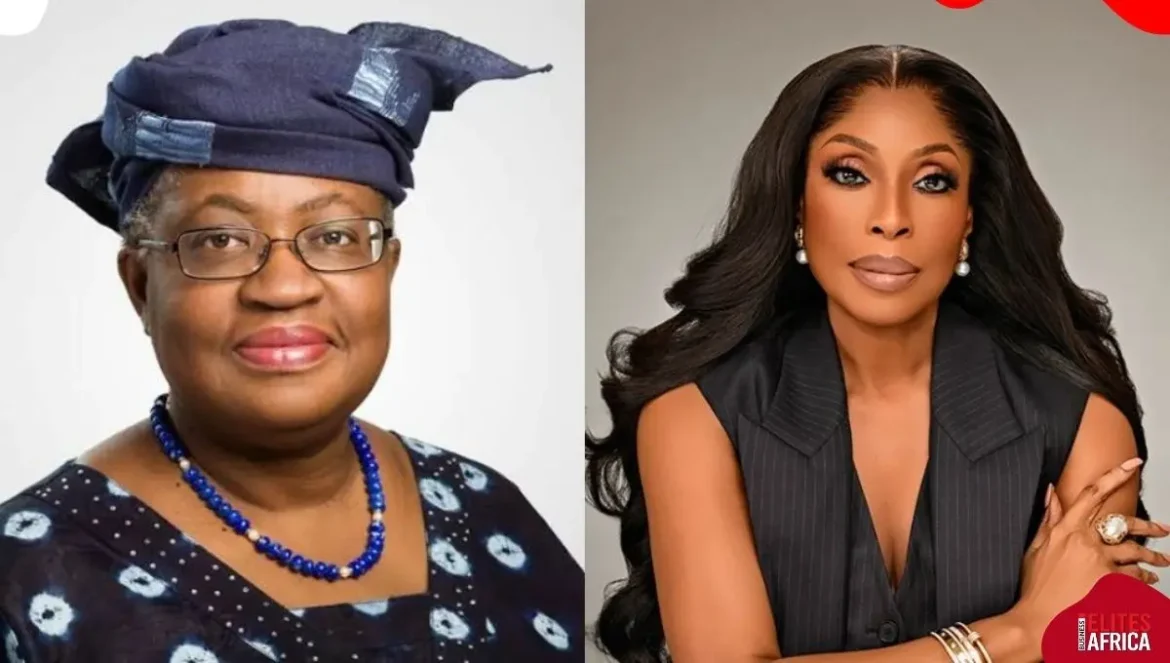
Nigeria once again secured a place on the global power map as Ngozi Okonjo-Iweala and Mo Abudu earned spots on Forbes’ 100 Most Powerful Women in the World for 2025. Their inclusion underscores the growing impact of African women across international governance, media, and business.

Okonjo-Iweala, who serves as Director-General of the World Trade Organization (WTO), and Abudu, founder of EbonyLife Media, appear alongside some of the most influential figures shaping global policy, finance, and culture.

A List Led by Global Decision-Makers

Topping the 2025 ranking is Ursula von der Leyen, President of the European Commission, followed by other high-profile leaders including Christine Lagarde, President of the European Central Bank, Sanae Takaichi, Japan’s first female prime minister, and Netumbo Nandi-Ndaitwah, President of Namibia.

The list reflects a broad spectrum of leadership, spanning politics, economics, technology, entertainment, and cultural influence.

New Faces and Cultural Powerhouses

One of the most notable first-time entrants this year is Kim Kardashian. The reality TV star and entrepreneur earned her place through the rapid rise of her shapewear brand, Skims, which reached an estimated valuation of $5 billion in 2025.

With a combined social media following of roughly 350 million and a headline-making collaboration with Nike on NikeSkim, Kardashian’s influence now extends well beyond entertainment into global commerce.

Taylor Swift’s Billionaire Milestone

Global pop star Taylor Swift also features prominently on the list. Forbes notes that Swift became a billionaire in October 2023, making history as the first musician to reach billionaire status based solely on music sales, touring, and performances—without relying on external business ventures.

Her inclusion highlights the growing economic power of cultural figures whose influence rivals that of traditional corporate leaders.

The Scale of Power in 2025

Forbes released its 22nd annual ranking of The World’s 100 Most Powerful Women on Wednesday, December 10. The publication emphasized the extraordinary scale of influence held by the women featured on the list.

Collectively, the honourees oversee more than $4.9 trillion in annual revenue, employ over 9.3 million people, and wield influence across nations representing more than half of global GDP.

Leadership in Uncertain Times

Moira Forbes, Executive Vice President of Forbes, described the 2025 honourees as leaders defined by resilience and adaptability. According to her, they are women who “steer platforms, policies, and capital” at a time of global uncertainty, reshaping industries and economies in lasting ways.

For Nigeria, the continued recognition of Okonjo-Iweala and Abudu signals not just individual success, but a broader narrative of African women influencing the world at the highest levels.

December 15, 2025 0 comments
0 FacebookTwitterPinterestLinkedinRedditWhatsappTelegramViberEmail
Dangote Plans to Let Nigerians Buy Refinery Shares in Naira and Benefit in Dollars
Breaking NewsBusiness

Dangote Plans to Let Nigerians Buy Refinery Shares in Naira and Benefit in Dollars

by Ayodeji Onibalusi December 15, 2025
written by Ayodeji Onibalusi

Dangote Refinery Set for NGX Listing With Dollar Returns for Naira Investors

A Landmark IPO in the Making

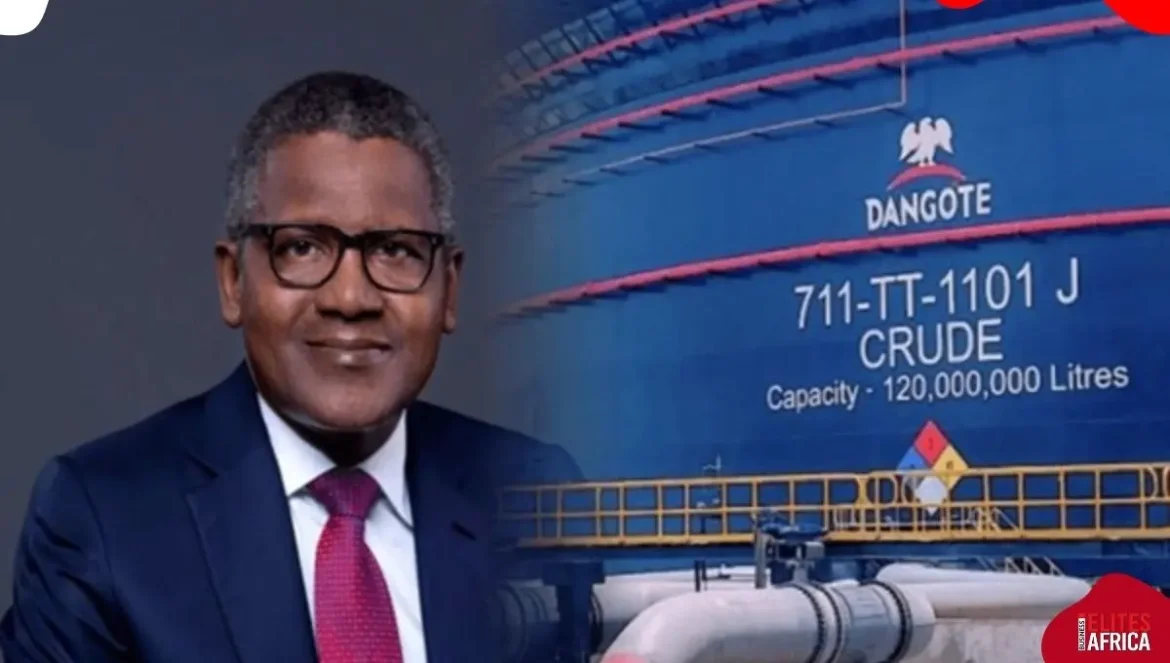
Aliko Dangote is preparing what could become one of Nigeria’s most consequential investment milestones in decades. The billionaire industrialist has announced plans to list his $20 billion Dangote Refinery on the Nigerian Exchange (NGX) in 2026—introducing a rare structure that allows Nigerians to buy shares in naira while earning dividends in US dollars.

This approach is unusual in Nigeria’s capital market and arrives at a time when many investors are searching for ways to shield their wealth from persistent currency depreciation.

A Simple Concept With Far-Reaching Impact

Speaking at a business event in Lagos, Dangote disclosed that discussions are already underway with the NGX and the Securities and Exchange Commission (SEC) to finalize the framework for the refinery’s initial public offering.

The core objective, according to Dangote, is accessibility—creating an opportunity for everyday Nigerians to earn dollar-based returns similar to what international investors enjoy, without needing to convert their savings into foreign currency upfront.

Why the Refinery Can Pay in Dollars

Dangote explained that the refinery’s export profile makes dollar dividends sustainable. With active exports of petrochemicals and fertilizer already underway, the business is projected to generate at least $6.4 billion annually from exports alone.

This steady inflow of foreign currency, he noted, will support consistent dollar-denominated payouts to shareholders once the company is listed.

The Appeal of Dollar-Denominated Dividends

As the naira continues to face pressure, Nigerian investors have increasingly sought assets that preserve value in stronger currencies. However, such opportunities are often limited, complex, or inaccessible to the average person.

A locally listed stock offering dollar returns could dramatically shift that dynamic. Market analysts suggest the Dangote Refinery could quickly become one of the NGX’s most attractive listings, offering a built-in hedge against currency volatility.

In practical terms, investors would be buying shares with naira while receiving earnings in a currency that holds global purchasing power.

Part of a Much Bigger Vision

The refinery IPO is only one piece of Dangote Group’s broader ambition. The conglomerate is targeting $100 billion in annual revenue by 2030, a dramatic leap from its current turnover of approximately $18 billion.

Over the past five years, the group’s revenue has surged from about $3.3 billion to $18 billion, alongside steady growth in earnings—signals of expanding operational strength.

Dangote believes the group’s overall valuation could eventually exceed $200 billion. For the refinery, the plan is to initially float about 10 percent of the business on the NGX, with the possibility of international listings explored later, while keeping Nigeria as the company’s primary base.

What the Refinery Means for Nigeria’s Economy

The 650,000-barrel-per-day refinery is already producing diesel, aviation fuel, and petrol, reducing Nigeria’s dependence on imported fuel and helping stabilize domestic supply.

Dangote has also revealed plans to expand capacity to 1.4 million barrels per day within the next three years, a move that would position the facility as the largest refinery in the world. The expansion is expected to be funded through a mix of partnerships and approximately $5 billion in financing, including support from Afreximbank.

A Potential Turning Point for the Stock Market

Energy and financial market experts believe the refinery’s dollar-dividend model could influence how other Nigerian companies approach capital raising and investor engagement. In a period of tight foreign exchange liquidity, such innovation could inject renewed confidence into the stock market.

What This Means for Local Investors

Analysts say Nigerians interested in long-term investing should pay close attention as regulatory approvals progress. Dangote Group has a reputation for strong dividend payments, and many expect the refinery to continue that tradition.

As one market watcher put it, “This could mark a new chapter in wealth creation. Buying in naira and earning in dollars may soon become a reality for millions of Nigerians.”

While final details are still being refined, one thing is clear: Dangote is laying the groundwork for Nigerians to directly benefit from one of the most transformative industrial projects in the country’s history.

December 15, 2025 0 comments
0 FacebookTwitterPinterestLinkedinRedditWhatsappTelegramViberEmail
Former Ministers under EFCC Investigation
Breaking NewsBusiness

Former Ministers under EFCC Investigation

by Ayodeji Onibalusi December 15, 2025
written by Ayodeji Onibalusi

EFCC Scrutiny Grows as Former Buhari-Era Officials Face Corruption Probes

Ngige’s EFCC Presence Sparks Fresh Questions

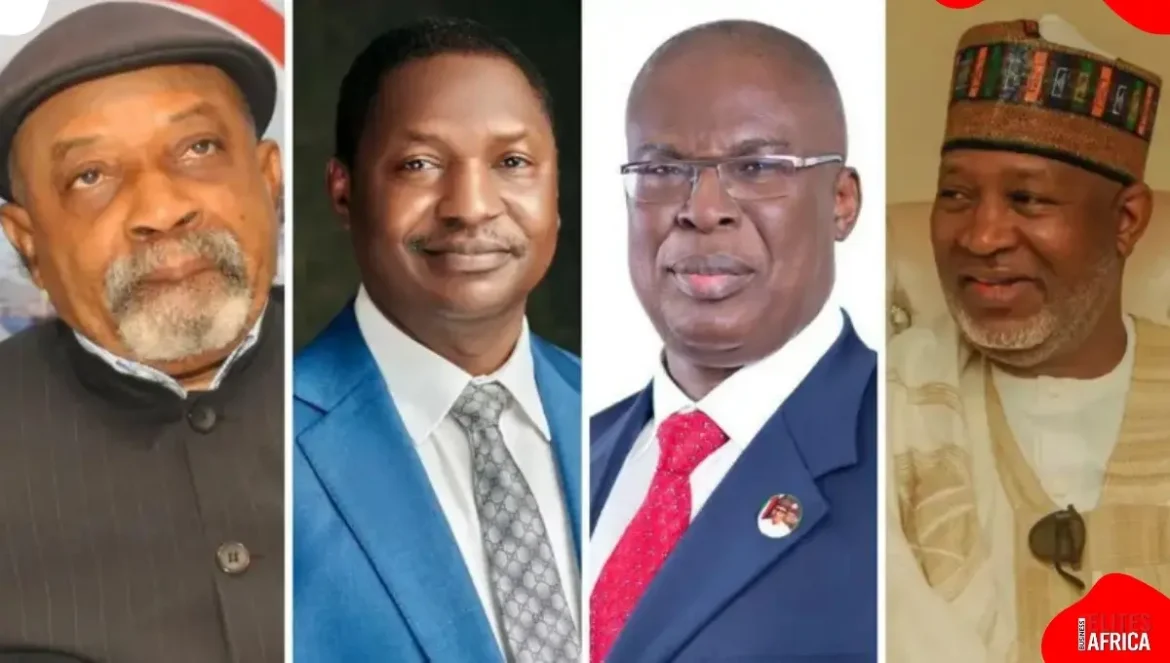
Reports that former Anambra State governor and ex-Minister of Labour and Employment, Chris Ngige, is currently with the Economic and Financial Crimes Commission (EFCC) have reignited public attention on corruption investigations involving senior figures from the previous administration.

Confusion initially surrounded Ngige’s whereabouts after claims circulated on Wednesday suggesting he had been kidnapped. However, his former media aide, Fred Chukwuelobe, later clarified that the former minister was in the custody of the anti-graft agency. As of now, the EFCC has neither confirmed nor denied this development, with spokesperson Dele Oyewole yet to issue an official statement.

Ngige’s situation now adds to a widening list of former ministers and top officials from the Muhammadu Buhari administration currently under investigation or facing prosecution.

Timipre Sylva: Wanted Over Alleged $14 Million Fraud

Former Bayelsa State governor and Minister of State for Petroleum Resources, Timipre Sylva, is one of the most prominent figures on the EFCC’s radar. Sylva oversaw critical aspects of Nigeria’s oil sector, the country’s main revenue source.

On November 10, 2025, the EFCC declared him wanted in connection with alleged financial misconduct exceeding $14 million (approximately ₦21 billion). The commission said a Lagos State High Court issued a warrant for his arrest on November 6.

At the time of the announcement, Sylva was reportedly outside Nigeria. His spokesperson, Julius Bokoru, stated that the former minister had never received a formal EFCC invitation before being declared wanted and maintained that Sylva would cooperate once he completed medical evaluations in the United Kingdom.

This development follows earlier controversy in 2025, when security agencies reportedly searched Sylva’s properties in Abuja and Bayelsa over allegations of involvement in a coup plot against President Bola Tinubu—claims his camp firmly denied. On December 8, Bokoru further confirmed that EFCC officials had sealed Sylva’s Abuja residence, marking it with the inscription “EFCC – KEEP OFF.”

Abubakar Malami Under Investigation Over Abacha Loot

Abubakar Malami, former Attorney-General of the Federation and Minister of Justice, is also facing EFCC scrutiny over multiple corruption-related issues.

While the EFCC has not released a detailed public briefing, Malami acknowledged that he was invited by the commission in connection with the repatriation of $346.2 million from Switzerland—funds linked to former military ruler Sani Abacha.

According to Malami, investigators are questioning his decision to hire specific legal firms and approve substantial legal fees for work related to the recovery of the funds, despite arguments that much of the groundwork had already been completed by earlier administrations. He said the EFCC is probing allegations of abuse of office and money laundering, which he has categorically denied.

Malami has also dismissed claims linking him to terrorism financing, insisting he has never been accused, investigated, or charged by any law enforcement agency locally or internationally on such matters.

Reports on Tuesday indicated that Malami spent two nights in EFCC custody after honouring an invitation. An EFCC source quoted in local media said he had been granted bail but was yet to meet the conditions.

Hadi Sirika Faces Trial Over Nigeria Air Project

Former Minister of Aviation Hadi Sirika is currently standing trial over the controversial Nigeria Air project, which the current administration has described as fundamentally flawed.

Present Aviation Minister Festus Keyamo publicly criticized the project, stating that it was never truly Nigeria Air but rather an arrangement centered around Ethiopian Airlines, hurriedly unveiled just weeks before the end of the Buhari administration.

The EFCC alleges that Sirika abused his office by awarding consultancy roles and contracts to his daughter, Fatima Sirika, and her husband, Jalal Hamma, including work tied to the airline’s launch and expansion projects at Katsina Airport.

Sirika has been granted bail in the sum of ₦100 million, and the trial remains ongoing.

Godwin Emefiele: Multiple Charges After Leaving Office

Although not a cabinet minister, former Central Bank of Nigeria governor Godwin Emefiele was among the most influential figures during the Buhari era.

Since his removal from office, Emefiele has faced a series of criminal charges, including allegations of money laundering, illegal possession of firearms, and other financial crimes. His ongoing court cases have placed him at the center of debates around accountability and governance in Nigeria’s financial system.

A Broader Reckoning With the Past

Taken together, these cases highlight a broader and increasingly aggressive review of actions taken under the previous administration. As investigations continue, public attention remains fixed on how far accountability will extend—and what it ultimately means for governance and public trust in Nigeria.

December 15, 2025 0 comments
0 FacebookTwitterPinterestLinkedinRedditWhatsappTelegramViberEmail
Petrol Now N699 as Dangote Announces Major Price Cut?
Breaking NewsBusiness

Petrol Now N699 as Dangote Announces Major Price Cut?

by Ayodeji Onibalusi December 15, 2025
written by Ayodeji Onibalusi

Dangote Refinery Cuts Petrol Price to ₦699, Offering Relief to Nigerians

A Major Fuel Price Drop Ahead of the Festive Season

Nigerians are getting rare relief at fuel stations following a significant reduction in petrol prices by the Dangote Refinery. The refinery has lowered its ex-depot price to ₦699 per litre, down sharply from the previous ₦828, marking one of the most consequential fuel price changes in 2025.

The adjustment, which took effect on December 11, represents the refinery’s 20th price review this year. With fuel costs squeezing households, transport operators, and businesses nationwide, the more than 15 percent reduction arrives at a critical time, just as end-of-year travel and spending increase.

Pressure Mounts on Fuel Importers and Depot Owners

While consumers welcome the price slash, the development has intensified challenges for traditional fuel importers and private depot operators. Since Dangote Refinery began large-scale production, many import-dependent players have struggled to remain competitive.

In response to the new pricing, several depot owners quickly revised their rates. TechnoOil reduced its price by ₦15, Sigmund Depot made a ₦4 adjustment, while others including A.A. Rano, NIPCO, and Aiteo have started aligning their prices.

According to a Lagos-based fuel distributor, the pace of Dangote’s reductions is rapidly shrinking profit margins. “We can’t match these prices without operating at a loss. Dangote’s scale and refining efficiency give it a massive edge,” the distributor said.

Fuel Imports Continue Despite Local Refining Capacity

Despite the refinery’s expanding output, Nigeria’s fuel market remains complex. Data shows the country spent about $1.26 billion on petrol imports in the first quarter of 2025 alone, with marketers importing roughly 2.28 billion litres between January and March.

These figures highlight the ongoing transition in the downstream sector, where legacy importers attempt to stay relevant as domestic refining increasingly reshapes supply and pricing dynamics.

Policy Signals and Regional Price Gaps

The latest price cut followed a meeting between Aliko Dangote and President Bola Tinubu on December 6. During the discussion, Dangote reaffirmed his commitment to keeping local fuel prices competitive, particularly as petrol prices in neighbouring countries reportedly range between ₦1,500 and ₦1,600 per litre.

Dangote also noted that fuel smuggling has declined significantly, attributing the drop to pricing that removes profit incentives for illegal cross-border trade.

A Changing Downstream Market Structure

Industry analysts say Nigeria’s downstream sector is undergoing a structural shift. Rather than collective price negotiations among marketers, operators are now engaging directly with Dangote Refinery. This one-on-one model accelerates price adjustments and intensifies competition nationwide.

NNPC Ltd has also reacted to the changing market, adjusting its pump prices twice in recent weeks. In Abuja, petrol at NNPC stations currently sells between ₦915 and ₦937 per litre.

What the Price Cut Means for Nigerians

The most immediate beneficiaries of the price reduction are everyday Nigerians, particularly commuters who rely on public transportation. Dangote Refinery’s management says the objective is to lower transport costs and reduce financial pressure during the busy holiday period.

If the downward trend continues, analysts believe some filling stations could soon retail petrol at around ₦600 per litre—a level not seen in years.

A Signal of a New Era in Fuel Supply

With a refining capacity of 650,000 barrels per day and an investment value of approximately $19 billion, the Dangote Refinery has the ability to meet—and even exceed—Nigeria’s domestic fuel demand.

Its aggressive pricing strategy may be laying the foundation for a more stable, transparent, and competitive fuel market, potentially ending decades-long cycles of scarcity that have plagued the country since the 1970s.

For now, the ₦699 price announcement represents more than a routine adjustment. It offers rare relief in a challenging year and signals that Nigeria’s fuel market may be entering a transformative phase.

December 15, 2025 0 comments
0 FacebookTwitterPinterestLinkedinRedditWhatsappTelegramViberEmail
Some Airport Mistakes First-Time International Travellers Keep Making
Breaking NewsBusiness

Some Airport Mistakes First-Time International Travellers Keep Making

by Ayodeji Onibalusi December 15, 2025
written by Ayodeji Onibalusi

Your First International Trip: Common Beginner Mistakes and How to Avoid Them

The Excitement and Anxiety of Traveling Abroad for the First Time

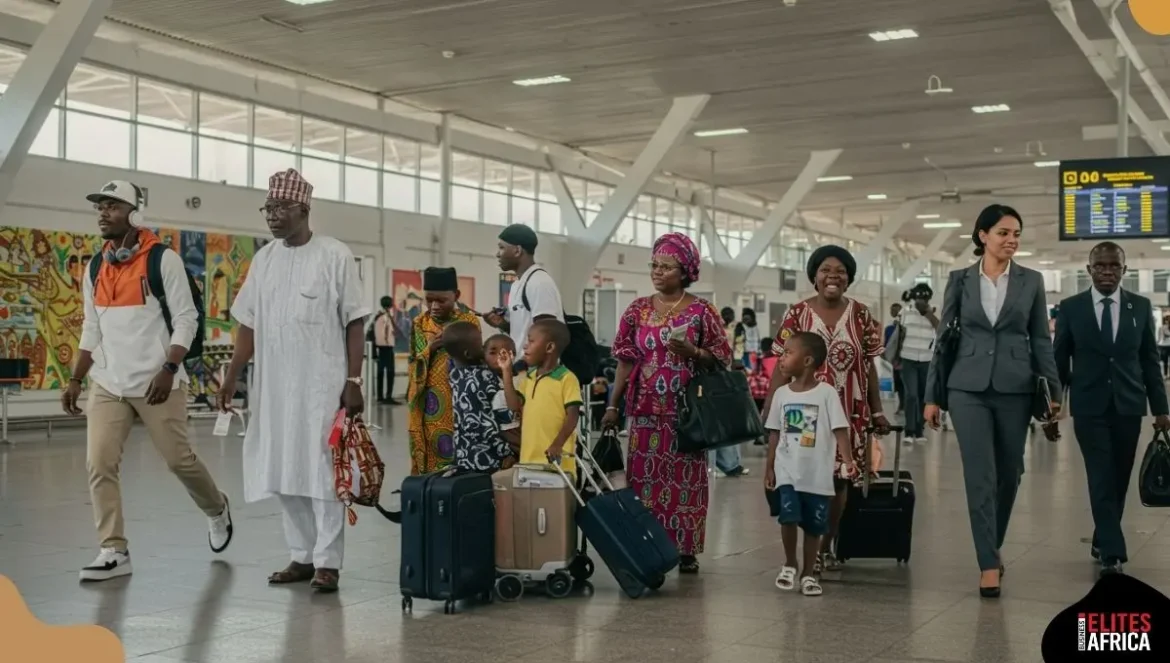
A first international trip is unforgettable. From stepping into a bustling airport to navigating unfamiliar rules and cultures, everything feels intense and exhilarating at once. Amid the excitement, however, many first-time travellers unknowingly make small mistakes that can turn an exciting journey into a stressful one.

The good news? Most of these issues are easy to prevent with a little preparation. Below are some of the most common first-time travel mistakes and practical ways to avoid them.

Skipping Online Check-In and Flight Updates

Many new travellers overlook online check-in, even though it can save valuable time at the airport. Checking in online often allows you to choose your seat early and avoid long queues at the counter.

Equally important is confirming your flight status before leaving home. Airlines frequently update departure times, gates, or even aircraft assignments. A quick check on the airline’s website or mobile app can alert you to delays or changes before they disrupt your plans.

Storing Travel Documents in Hard-to-Reach Places

Airport security can feel overwhelming, especially when you’re asked repeatedly for identification. Searching through bags for your passport or boarding pass only adds unnecessary stress.

Keep essential items—such as your passport, boarding pass, phone, and identification—in a small pouch or an easily accessible pocket. Having everything in one place ensures smoother security checks and faster movement through the airport.

Overpacking and Trusting Luggage Too Much

First-time international travellers often pack far more than they need, only to discover that many items remain unused. Heavy luggage slows you down and makes airport navigation more difficult.

It’s also a mistake to assume luggage never goes missing. While rare, misplaced bags do happen. To protect yourself, place your name, phone number, and address inside your suitcase. Adding a bright ribbon or unique tag to the outside helps prevent someone else from accidentally picking up your bag.

Packing lighter not only reduces stress but also gives you more flexibility throughout your journey.

Arriving at the Airport Too Close to Departure Time

Rushing through an airport is one of the fastest ways to ruin the excitement of your first trip abroad. International flights require more time due to extended check-in procedures, security screenings, and immigration checks.

Arriving at least three hours before departure gives you enough time to complete all formalities calmly, locate your gate, and settle in without panic.

Ignoring Airline Baggage Policies

Every airline enforces specific baggage size and weight limits. Exceeding these limits often results in unexpected and sometimes costly extra fees.

Before packing, review your airline’s baggage policy. Most international airlines allow checked luggage of around 23 kg, while carry-on bags usually have a weight limit of about 7 kg and must fit into the overhead compartment.

Understanding these rules in advance helps you avoid last-minute repacking or paying unplanned charges at the airport.

Travel Smarter, Not Harder

Your first international trip should be memorable for the right reasons. By planning ahead, staying organized, and understanding basic travel rules, you can avoid common pitfalls and focus on enjoying the journey.

Preparation turns nervous excitement into confidence—and makes your first time abroad a truly rewarding experience.

December 15, 2025 0 comments
0 FacebookTwitterPinterestLinkedinRedditWhatsappTelegramViberEmail
Newer Posts
Older Posts

Subscribe to our newsletter!

Advertisement

Your browser does not support the video tag.

Categories

  • Auto
  • Breaking News
  • Business
  • Celebrities
  • Disasters
    • Pollution
  • Economy
    • Infrastructure
  • Education
  • Entertainment
    • Movies
  • Fashion
  • Finance
  • Global
  • Health
  • International
    • America
    • Climate Change
  • Lagos
  • Lifestyle
  • Linkinbio
  • Love and Sex
  • Luxury Market
  • money
  • Music
  • Opinion
  • Oscars
  • Oyo State
  • People
  • Politics
    • Security
      • Terrorism
  • Religion
  • Royal Family
  • Social Media
  • Sponsored
  • sports
    • Football
  • Technology
  • Transport
  • Travel
  • Travel Guides
  • Weddings

OYOGist brings you only the latest and most relevant news you need to make your day complete. For ads placements, reach out to us via ads (at)oyogist.com. If you have news tips or gossips, email us at tips (@) oyogist.com.

Subscribe to us

Subscribe to our newsletter!

Advertise

Want to promote your brand on OYOGist.com? Reach out to us via email at ads@oyogist.com

Recent Posts

Contact Us

    • Facebook
    • Twitter
    • Instagram
    • Politics
    • Entertainment
    • International

    OYOGist.com © 2025 - All Right Reserved.

    OYO Gist
    • Breaking News
    • Politics
    • Jobs
      • Post a Job
        • Job Dashboard
    • Advertise
    OYO Gist
    • Home
    • Advertise With Us
    • Breaking News
    • Politics
      • Lagos
      • Oyo State
    • Entertainment
    • Celebrities
    • Business
      • money
      • Technology
    • International
    • People
    • sports
    • Health
    OYOGist.com©2025. All right reserved.