OYO Gist
  • Home
  • Advertise With Us
  • Breaking News
  • Politics
    • Lagos
    • Oyo State
  • Entertainment
  • Celebrities
  • Business
    • money
    • Technology
  • International
  • People
  • sports
  • Health
Saturday, May 2, 2026
OYO Gist
Your browser does not support the video tag.
  • Home
  • Advertise With Us
  • Breaking News
  • Politics
    • Lagos
    • Oyo State
  • Entertainment
  • Celebrities
  • Business
    • money
    • Technology
  • International
  • People
  • sports
  • Health
Breaking News
Kanye West officially a billionaire according to Forbes, see the breakdown
Here are the Top 10 Afrobeats Albums of the Decade (iTunes)
BREAKING: Supreme Court confirms Gov Seyi Makinde as the elected governor of Oyo State.
Top 10 African Countries with the Strongest Currencies in April 2026
Top 10 Countries With the Most Approved Asylum Claims in Canada in 2025
ADC Will Be on the Ballot in 2027, David Mark Assures Members
Supreme Court Set to Decide ADC, PDP Leadership Crises Ahead of 2027
Delta Killing Sparks Outrage as Police Officer Faces Trial
Davido Calls Chioma His “Peace” & “Home” in a Sweet Birthday Tribute | See Photos
Anthony Joshua Confirms July 2026 Return to Boxing Against Kristian Prenga
Women Makers Series 2026: Empowering Women to Build Sustainable Creative Businesses
Titilade Ilesanmi: As a Mum, If I Wanted to Feel Like Myself Again, This Is Where I Would Start
BREAKING: INEC Recognises Mark-Led ADC Leadership on Its Official Portal [PIC]
OYO Gist
OYO Gist
  • Politics
  • Entertainment
  • International
Copyright 2021 - All Right Reserved
NUPRC Opens 50 Oil and Gas Blocks in 2025 Licensing Round
Breaking NewsBusiness

NUPRC Opens 50 Oil and Gas Blocks in 2025 Licensing Round

by Ayodeji Onibalusi January 30, 2026
written by Ayodeji Onibalusi

Nigeria Launches Competitive Bidding for 50 Oil and Gas Blocks to Boost Upstream Sector

The Nigerian Upstream Petroleum Regulatory Commission (NUPRC), the authoritative body overseeing upstream oil and gas activities in Nigeria, has unveiled a major licensing round, opening 50 oil and gas blocks across the country for competitive bidding. This initiative invites participation from both local and international investors, marking a significant opportunity in Africa’s leading crude oil producer.

Comprehensive Block Offerings Across Diverse Geological Zones

Approved by President Bola Ahmed Tinubu and launched on December 1, 2025, this licensing round represents one of the most extensive acreage releases in recent memory. The available blocks span onshore, shallow water, and deepwater environments, covering five of Nigeria’s seven sedimentary basins. These include both frontier areas with untapped potential and mature fields with established production histories, offering a broad spectrum of exploration and development prospects.

Transparent and Competitive Bidding Process Designed to Attract Serious Investors

NUPRC has emphasized a meritocratic and transparent bidding framework to ensure that only committed and capable operators advance through the selection stages. During pre-bid webinars and stakeholder engagements, NUPRC CEO Oritsemeyiwa Eyesan highlighted the importance of attracting investors with proven operational integrity and long-term commitment, discouraging speculative bids that do not contribute to sustainable development.

“The upstream oil and gas sector demands serious, long-term investment. We extend an open invitation for partnership, transparency, and shared responsibility as we collaboratively shape the future of Nigeria’s upstream industry,” Eyesan stated.

The structured bidding process includes pre-qualification, registration, data acquisition, technical bid submission, evaluation, and a commercial bid conference. Bidders are required to present clear, actionable plans for rapid progression from award to exploration, appraisal, and production phases.

To lower entry barriers while maintaining high standards, the signature bonus-a one-time payment upon award-has been reduced to a range of $3 million to $7 million per block, payable within 60 days of offer letter issuance. Additionally, to promote wider participation and ensure blocks are awarded to operators capable of driving development, each bidder is limited to a maximum of two blocks.

Strategic Objectives: Enhancing Reserves, Production, and Energy Security

According to Eyesan, this licensing round transcends a mere land sale; it is a strategic effort to bolster Nigeria’s hydrocarbon reserves, increase crude output, and strengthen national energy security amid a dynamic global investment landscape. Transparent entry criteria and robust governance are critical to attracting sustainable capital as energy markets face tightening supply and shifting demand patterns.

The NUPRC reaffirmed its commitment to the Petroleum Industry Act (PIA) 2021, ensuring regulatory oversight and public accountability. Monitoring by entities such as the Nigeria Extractive Industries Transparency Initiative (NEITI) will continue to safeguard industry integrity and transparency.

Outlook: Nigeria’s Upstream Sector Poised for Renewed Investment and Growth

The 2025 licensing round is expected to draw billions of dollars in new investments, with several major multinational oil companies already signaling interest under the revised terms. This round serves as a critical test of Nigeria’s ability to balance attractive fiscal policies with technically sound project selections in a global environment increasingly focused on disciplined, value-driven investments.

As bid evaluations progress over the coming months, industry analysts will closely monitor the outcomes to gauge Nigeria’s success in revitalizing its upstream oil and gas sector for long-term, sustainable growth.
January 30, 2026 0 comments
0 FacebookTwitterPinterestLinkedinRedditWhatsappTelegramViberEmail
The Making of Yoruba Identity By Remi Ladigbolu
Breaking NewsOyo StatePeople

The Making of Yoruba Identity By Remi Ladigbolu

by Ayodeji Onibalusi January 30, 2026
written by Ayodeji Onibalusi

Reevaluating Yoruba Origins: Beyond Ile-Ife

Conversations about the roots of the Yoruba people frequently start and conclude with Ile-Ife, a city long venerated as the spiritual birthplace of creation in Yoruba cosmology. This deep-seated belief remains a cornerstone of Yoruba cultural identity. However, historical inquiry, especially in the realms of social and political development, demands more than origin myths. The evolution of a people is equally shaped by the dynamics of power, governance, and collective memory over time.

Oyo: The Political Heart of Yoruba Unity

Within this broader historical context, the significance of Oyo emerges prominently. At its zenith, the Oyo Empire encompassed a vast expanse of what is now southwestern Nigeria, including multiple administrative divisions such as the Ife Division. Far from being a peripheral town, Oyo served as the central hub that unified diverse Yoruba communities under a cohesive political framework.

This centrality is reflected in modern administrative decisions. When Nigeria’s old Western Region was subdivided, the resulting state that incorporated major cities like Ibadan, Ile-Ife, and Ogbomoso was named Oyo State. This choice was deliberate, favoring a name that symbolized collective identity rather than highlighting any single populous city or the spiritual origin of the Yoruba. Such naming conventions reveal how communities perceive and project their shared identity.

Collective Identity Expressed Through Institutions

The pattern of recognizing Oyo as a unifying symbol extends to public institutions. For instance, the first major healthcare facility in the former Western Region was established in Ibadan but named Adeoyo Hospital-not Ade Ibadan or Ade Ife. This naming was not an oversight but a reflection of how Yoruba collective identity had been historically articulated, emphasizing Oyo’s integrative role.

Oyo’s Legacy Beyond Nigeria: The Diaspora Connection

Yoruba cultural identity anchored in Oyo also resonates beyond Nigeria’s borders. In the United States, the Oyotunji African Village, founded by Yoruba returnees and cultural revivalists, embodies this legacy. The name “Oyotunji,” meaning “Oyo rises again,” symbolizes cultural continuity and revival. This choice underscores Oyo’s prominence as a symbol of Yoruba unity and identity, without diminishing Ile-Ife’s sacred status.

The Linguistic and Historical Foundations of Yoruba Identity

Historical and linguistic research indicates that the term “Yoruba” originally referred to the inhabitants of Old Oyo (Oyo Katunga/Oyo-Ile), highlighting their political and commercial dominance. Early external sources-from Songhai, Hausa, and Arabic records-identify Oyo as the homeland of the people outsiders called Yariba or Yoruba.

The Oyo dialect, widely spoken across the empire and its influence zones, became the foundation for modern standard Yoruba. Through trade, governance, and cultural exchange, it shaped other regional dialects. By the 19th century, when Yoruba language scholars and missionaries formalized orthography and grammar, the Oyo dialect had emerged as the prestige variant, cementing its role in defining Yoruba linguistic identity.

Oyo’s Cultural and Political Influence

Oyo’s impact extended beyond governance into cultural self-recognition. It played a pivotal role in shaping how Yoruba people spoke, identified, and related to one another, granting it a subtle yet significant historical and cultural prominence alongside Ile-Ife’s spiritual primacy.

Central to this was the institution of the Alaafin, the ruler of Oyo, who was not merely a city leader but the linchpin of a broader political system. The Alaafin’s authority symbolized continuity and governance that transcended Oyo’s immediate boundaries, a fact supported by evidence from historiography, anthropology, archaeology, and linguistics.

Shared Recognition Across Yoruba Subgroups

This central role of Oyo and the Alaafin was acknowledged across various Yoruba subgroups, including those historically termed Epo Yoruba and communities closer to the original core. Despite dialectical and cultural differences, there was a collective acceptance of Oyo’s pivotal place in the Yoruba narrative, reinforced by lived political realities such as administrative structures, road networks, and traditional titles.

Balancing Sacred Origins with Political Reality

Recognizing Oyo’s importance does not diminish Ile-Ife’s sacred status. Instead, the Yoruba historical experience is enriched by embracing both truths: honoring the spiritual genesis at Ile-Ife while acknowledging Oyo as the political and cultural nucleus that shaped collective identity and governance.

Attempts to downplay Oyo’s role in Yoruba history lack support from historical, cultural, and linguistic evidence. Across centuries and continents, Yoruba communities have consistently upheld narratives that affirm Oyo’s centrality and the enduring authority of its institutions.

Oyo’s Enduring Legacy: The Source of Yoruba Unity

Ultimately, Oyo’s significance lies in its role in shaping how the Yoruba people came to see themselves as a unified group. It represents not just the origin of a river but the point where its waters converge and gain strength, symbolizing the consolidation of Yoruba identity and political power.

Ladigbolu is a journalist based in Lagos, specializing in Yoruba history and culture.

January 30, 2026 0 comments
0 FacebookTwitterPinterestLinkedinRedditWhatsappTelegramViberEmail
NELFUND Extends Loan Application Deadline for 2025/26
Breaking NewsBusiness

NELFUND Extends Loan Application Deadline for 2025/26

by Ayodeji Onibalusi January 30, 2026
written by Ayodeji Onibalusi

NELFUND Announces New Deadline for 2025/26 Student Loan Applications

The Nigeria Education Loan Fund (NELFUND) has officially extended the deadline for submitting loan applications for the 2025/2026 academic year to February 27, 2026. This extension, declared in Abuja on January 29, aims to broaden access to tertiary education by accommodating students who may face challenges meeting the original cutoff date of January 31, 2026.

Rationale Behind the Extension

Following extensive consultations with applicants and key stakeholders in the education sector, NELFUND decided to prolong the application period. This move underscores the fund’s dedication to fostering inclusivity, especially for students from economically disadvantaged backgrounds who often require additional time to compile necessary documentation.

Akintunde Sawyer, Managing Director and CEO of NELFUND, emphasized, “Our priority is to ensure equitable access to education financing. Extending the deadline guarantees that no eligible Nigerian student is left behind due to procedural delays.”

About the NELFUND Loan Scheme

Launched under President Bola Ahmed Tinubu’s administration, the NELFUND initiative offers interest-free loans to students enrolled in public universities and other tertiary institutions. These loans cover tuition fees and, in some cases, living expenses, alleviating the financial strain on families amid Nigeria’s current economic challenges.

This program is a cornerstone of the government’s broader educational reforms, which seek to enhance enrollment rates, reduce dropout rates, and make higher education more affordable nationwide.

Encouraging More Applicants Amid Growing Demand

Since its inception, the scheme has witnessed a consistent rise in applications, reflecting the pressing need for financial support among students and their families, especially in light of inflation and rising unemployment. Education experts suggest that the extended deadline could significantly increase participation from rural communities, where access to digital resources and information remains limited.

Addressing Concerns and Ensuring Transparency

The extension announcement arrives amid ongoing discussions about the program’s long-term viability and transparency. While the government assures that the loans are interest-free and repayments only begin once graduates secure employment, critics have called for more explicit policies regarding enforcement, data privacy, and sustainable funding models.

Officials from the Federal Ministry of Education have clarified that NELFUND is designed to complement-not replace-existing scholarships and grants. They reiterated that repayment obligations are deferred until beneficiaries obtain paid jobs, thereby protecting graduates from immediate financial burdens.

Next Steps and How to Apply

Students who have yet to apply or those who have started but not finalized their applications are urged to complete their submissions before the new deadline of February 27, 2026. All required documents and accurate information must be provided to ensure eligibility.

NELFUND continues to collaborate with educational institutions, government ministries, and financial partners to enhance the application process and will provide ongoing updates through its official communication platforms.

January 30, 2026 0 comments
0 FacebookTwitterPinterestLinkedinRedditWhatsappTelegramViberEmail
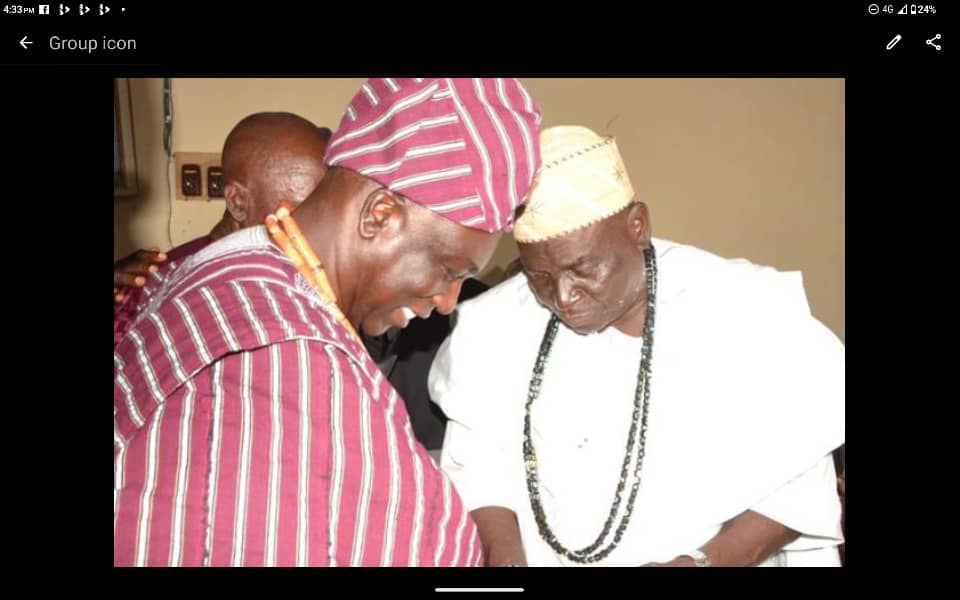
Fijabi Royal Family Rejects Olaigbe’s Installation as Otun Baale Okoro-Oketunu
Breaking NewsOyo StatePeople

Fijabi Royal Family Rejects Olaigbe’s Installation as Otun Baale Okoro-Oketunu

by Ayodeji Onibalusi January 30, 2026
written by Ayodeji Onibalusi

Fijabi Royal Family of Oritamerin Opposes Appointment of New Otun Baale in Okoro-Oketunu

The Fijabi Royal Family of Oritamerin, Ibadan, has formally expressed strong opposition to the proposed installation of Mr. Saheed Raifu Adelani Olaigbe as the Otun Baale of Okoro-Oketunu. Addressed to His Imperial Majesty, Oba Rashidi Ladoja, the Olubadan of Ibadanland, the family categorically rejected the scheduled ceremony set for January 31, 2026, labeling it as unlawful, unconstitutional, and lacking traditional legitimacy.

Historical Ownership and Traditional Authority of Okoro-Oketunu

In a comprehensive petition made public to the press, the Fijabi Royal Family emphasized that Okoro-Oketunu has historically belonged to and remains under the custodianship of their lineage. They asserted that any chieftaincy appointment conducted without their explicit approval is invalid and cannot be recognized under customary law.

The family traced their ancestral roots to Babalola, the founding patriarch of the Fijabi Royal Family and father of Fijabi Atilolari, who served as Baale of Ibadan from 1893 to 1895. This historical claim is corroborated by the esteemed historian Reverend Samuel Johnson in his seminal work, History of the Yorubas.

Babalola’s migration from Ogbomoso alongside fellow hunters such as Alade, Layaju, Fadairo, Ogunlola, Ogala, Jagun, and Apete led to the conquest and settlement of extensive farmlands, including Okoro-Oketunu, Elekuru, Oyalu, Aleru, and Onibonla. Following Babalola’s demise, his son Fijabi Atilolari ascended from Mogaji to Baale of Ibadan, while his brother Olojede attained the title of Aareago of Ibadanland.

Royal Lineages and Legacy

After Olojede’s passing, the family branched into four recognized ruling houses: Oyewusi (also known as Oyelakin), Adisa, Alao, and Ajagbe (Emiola). Notably, Oyewusi Fijabi, son of Fijabi Atilolari, became Olubadan of Ibadan from 1948 to 1952, and Chief Ladimeji Adisa Fijabi held the position of Otun Olubadan until his death in 2000. These documented successions affirm the unbroken royal heritage of the Fijabi family.

The family also cautioned against individuals masquerading as members of the royal house, describing them as “influence peddlers and opportunists.” They stressed that only those who can verifiably trace their lineage to the established ruling houses are entitled to royal status.

Clarification on the Current Baaleship of Okoro-Oketunu

The present Baale, Alhaji Raimi Rufai, was installed in 1989 with the endorsement of senior Fijabi family members. His appointment was not as a royal heir but as a caretaker, recognizing his family’s longstanding service to the royal household. This decision followed thorough consultations with key elders, including Alhaji Olayiwola Okunoye Fijabi.

This precedent underscores the principle that no legitimate installation in Okoro-Oketunu can occur without the nomination and consent of the Fijabi Royal Family or their recognized successors.

Concerns Over Unauthorized Installation Plans

The family expressed alarm that certain individuals, whom they described as usurpers lacking royal blood, are attempting to install Mr. Olaigbe as Otun Baale without any consultation or approval from the Fijabi lineage. They emphasized that none of the principal family members or their heirs have been involved in the process leading to the planned installation.

“Our stance is clear and unwavering: any installation conducted on January 31, 2026, at Okoro-Oketunu without our consent is null, void, and unacceptable,” the family declared.

Actions Taken and Call for Community Support

To prevent any potential disruption of peace, the Fijabi Royal Family has sent formal letters to the Olubadan of Ibadanland, other key traditional authorities, and relevant security agencies. They urged the people of Oyo State, especially Ibadan indigenes, to acknowledge their position and support the preservation of Ibadan’s customs and heritage.

The family reaffirmed their commitment to safeguarding the traditions of Ibadanland and warned against allowing opportunists to undermine these cultural values.

January 30, 2026 0 comments
0 FacebookTwitterPinterestLinkedinRedditWhatsappTelegramViberEmail
How to Run Your Business Better and Make More Profit
Breaking NewsBusiness

How to Run Your Business Better and Make More Profit

by Ayodeji Onibalusi January 30, 2026
written by Ayodeji Onibalusi

Mastering Business Profitability: A Strategic Approach for Nigerian Entrepreneurs

Enhancing your business performance isn’t about exerting more effort or flooding social media with posts. The key lies in establishing a reliable system that generates steady income: understanding your financial metrics, managing expenses effectively, offering products or services that meet genuine demand, and ensuring smooth delivery.

Focus on Three Core Profit Drivers

To boost profitability, concentrate on three fundamental levers: elevate your profit margins, encourage customers to purchase more frequently, and eliminate inefficiencies that don’t contribute to sales or enhance customer satisfaction. Everything else is secondary noise.

Challenges of Profitability in Nigeria and the Power of Structured Operations

Operating a business in Nigeria presents unique hurdles. Costs can escalate rapidly due to fluctuating transportation fees, rising electricity expenses, and unpredictable supply chain delays. Customers often negotiate aggressively and may postpone payments, impacting cash flow.

Inflation further complicates matters by increasing both operational costs and reducing consumers’ purchasing power. According to the Central Bank of Nigeria‘s inflation data, price levels have been volatile, directly influencing input costs.

Despite these obstacles, small and medium enterprises (SMEs) remain the backbone of Nigeria’s economy, providing the majority of employment opportunities. Research consistently shows that businesses that thrive are those that implement disciplined, structured management practices.

Step 1: Accurately Identify All Business Expenses Before Scaling Sales

Many entrepreneurs focus only on obvious costs like raw materials, rent, and transportation, overlooking hidden expenses that quietly erode profits. These include data charges, point-of-sale fees, packaging, fuel, generator maintenance, minor refunds, damaged goods replacement, delivery errors, complaint discounts, and time spent on customer interactions.

To gain clarity, conduct a detailed expense audit over 30 days. Record every business-related cost, no matter how small. At month-end, categorize these into two groups: direct costs related to product/service delivery and overhead costs for running the business. This comprehensive view eliminates guesswork and enables precise profit planning.

Step 2: Set Prices to Ensure Profitability, Not Just Customer Approval

Pricing too low is a common pitfall that traps businesses in stagnation. Underpricing attracts bargain-hunters who delay payments and demand extra services, while limiting your ability to reinvest in inventory, staff, and marketing.

Adopt a pricing strategy that starts with calculating direct costs, adds a proportionate share of overheads, includes a profit margin, and factors in a buffer for volatile inputs-especially those affected by foreign exchange fluctuations or seasonal shortages.

Additionally, consider product bundling. Nigerian consumers appreciate straightforward offers. Packaging complementary items into a single, problem-solving bundle increases average spend per customer and reduces haggling by clarifying value.

Step 3: Prioritize Cash Flow Management to Safeguard Business Stability

Cash flow is the lifeblood of any Nigerian enterprise. Profit on paper means little if payments are delayed or if you finance all operations upfront.

For service providers, require deposits before commencing work. For product sellers, limit credit sales unless customers have a proven track record of timely payments. When extending credit to key clients, establish firm payment deadlines and enforce them rigorously. Normalizing late payments jeopardizes your business health.

Separate business finances from personal expenses. Many SMEs falter because owners dip into working capital for personal use, leading to emergency restocking under pressure, which inflates costs and reduces profitability.

Step 4: Develop Simple, Repeatable Systems to Ensure Consistency

Relying on memory or ad hoc processes leads to errors, especially when you’re overwhelmed. Implementing clear systems maintains quality and minimizes avoidable mistakes.

Focus on four essential workflows: order intake, payment confirmation, delivery execution, and complaint resolution. Document these procedures in straightforward steps. Prepare standard communication templates for pricing, payment instructions, delivery schedules, and customer follow-ups. Clear processes enhance professionalism and build customer trust.

In Nigeria’s competitive market, professionalism is a distinct advantage. Customers gravitate toward businesses that communicate transparently, fulfill promises, and handle issues calmly.

Step 5: Monitor Time Usage to Identify and Eliminate Profit Drains

While many track finances meticulously, few monitor how their time is spent. Time inefficiencies, especially in service businesses, often cause the largest profit leaks.

Track your activities for one week, noting time spent on customer interactions, production, delivery coordination, follow-ups, and complaint management. Typically, a small portion of tasks generates most revenue, while the rest adds stress without proportional returns.

With this insight, reduce unnecessary back-and-forth, batch similar tasks, use templates, and set boundaries. Accurate time tracking also refines pricing by aligning charges with actual effort.

Step 6: Enhance Customer Loyalty to Lower Acquisition Costs

While attracting new customers is important, repeat buyers are more cost-effective. Returning customers require less explanation, less persuasion, and lower marketing spend, boosting overall profitability.

Build retention through consistent habits: deliver punctually, communicate clearly, avoid overpromising, promptly resolve issues, and follow up post-sale to ensure satisfaction. For consumable products, send reorder reminders; for services, offer regular maintenance or check-ins. These small gestures foster trust and encourage repeat business.

Step 7: Market with Precision and Simplicity, Not Excessive Noise

Effective marketing is not about frequent posting but about making it effortless for the right customers to understand your offerings and how to purchase.

Nigerian consumers typically seek three assurances: evidence of your capability, clarity about the product or service, and a straightforward buying process. Proof can come from customer testimonials, behind-the-scenes videos, or clear images of completed work.

Clarity involves transparent offers, defined timelines, and explicit terms. Ease means customers can place orders without confusion, using simple WhatsApp contacts, brief order forms, or standardized message formats.

Focus on promoting one primary offer at a time. Marketing multiple products simultaneously dilutes your message and confuses customers. Highlighting a single “hero” product for a couple of weeks strengthens your message and simplifies sales.

January 30, 2026 0 comments
0 FacebookTwitterPinterestLinkedinRedditWhatsappTelegramViberEmail
Breaking NewsFinance

AFC wins S&P ‘A’ rating, eyes cheaper funding across Africa 

by Ayodeji Onibalusi January 30, 2026
written by Ayodeji Onibalusi

AFC‘s ‘A’ Credit Rating by S&P: A Game-Changer for African Infrastructure Financing

The Africa Finance Corporation (AFC) has recently achieved a significant milestone by securing a long-term ‘A’ credit rating from S&P Global. This upgrade is expected to reduce AFC’s borrowing expenses and enhance its capacity to finance critical infrastructure projects across the African continent.

Significance of the New Credit Rating

Samaila Zubairu, AFC’s President and CEO, revealed in an interview with Reuters that this is the first time S&P has rated the institution. The ‘A’ rating firmly positions AFC within the global investment-grade category, boosting its credibility among international investors and potentially unlocking access to more affordable capital.

This development is particularly timely as African financial institutions increasingly turn to market-based financing to compensate for the decline in concessional loans and diminishing aid from Western countries.

CEO’s Perspective: Validation and Opportunity

Zubairu described the rating as a strong endorsement of AFC’s financial robustness and operational framework. He emphasized that the investment-grade status will open doors to better market access, which should gradually lower funding costs for AFC and its clients across Africa.

“This rating confirms our strength and should translate into more competitive financing options,” Zubairu stated. He further noted that reduced borrowing costs will enable AFC to expand its support for priority sectors amid tightening global financial conditions affecting African economies.

Key Factors Behind the Rating

S&P Global highlighted AFC’s solid asset quality and exceptional liquidity coverage as pivotal reasons for the rating. Alongside the long-term ‘A’ rating, AFC received an A-1 short-term credit rating and a positive outlook, signaling the possibility of future upgrades.

  • AFC already holds an A3 rating from Moody’s, an AAAspc rating from S&P Ratings (China), and an A+ rating from the Japan Credit Rating Agency.
  • The positive outlook reflects expectations that AFC will broaden its sovereign shareholder base over time.
  • Currently, Nigerian entities, including the Central Bank of Nigeria (CBN) and financial institutions, hold approximately 75% of AFC’s shares, underscoring Nigeria’s dominant influence.

In contrast, other African development banks like Afreximbank have faced downgrades, with Fitch lowering its rating to junk status after the bank ended its relationship with the agency.

Why This Upgrade Matters for Africa

The improved credit rating arrives at a crucial juncture when African development finance institutions are grappling with rising global interest rates, increased credit risks, and shrinking concessional funding sources.

  • Being investment-grade enhances AFC’s ability to raise capital internationally at lower interest rates.
  • Lower funding costs can be passed on as more affordable long-term loans for infrastructure, energy, and industrial projects continent-wide.
  • The rating bolsters confidence in African-led financial institutions, which is vital as external development finance becomes scarcer.

For Nigeria, AFC’s largest shareholder, this upgrade indirectly strengthens the country’s stake in a more resilient and competitive pan-African lender.

AFC’s Role and Future Outlook

AFC is a multilateral development finance institution focused on infrastructure investment across Africa. In 2025, the corporation invested nearly $4 billion in various projects, and Zubairu anticipates maintaining or exceeding this level in 2026 due to a robust project pipeline.

Priority investment areas include gold mining, critical minerals, renewable energy, and fertilizer production, aligning with Africa’s abundant natural resources and industrial development needs.

One notable project is AFC’s financing of the Lobito Corridor, a U.S.-supported railway connecting copper mines in Zambia and cobalt fields in the Democratic Republic of Congo to Angola’s Lobito port. This corridor is expected to stimulate mining and agricultural activities in the region.

To fund its operations, AFC plans to continue issuing international bonds such as sukuk, panda, and samurai bonds. Additionally, it is exploring private credit funding opportunities as global investors seek higher returns in emerging markets.

Looking Ahead: Strengthening Africa’s Financial Landscape

The S&P rating upgrade not only affirms AFC’s financial health but also signals growing investor confidence in African development finance institutions. As the continent faces evolving economic challenges, AFC’s enhanced creditworthiness will be instrumental in mobilizing the capital needed to drive sustainable growth and infrastructure development.

With this new rating, AFC is well-positioned to support Africa’s ambitious development agenda, fostering economic resilience and integration across the region.

January 30, 2026 0 comments
0 FacebookTwitterPinterestLinkedinRedditWhatsappTelegramViberEmail
Samuel Chukwueze Loses Mother After Brief Illness
Breaking NewsBusiness

Samuel Chukwueze Loses Mother After Brief Illness

by Ayodeji Onibalusi January 30, 2026
written by Ayodeji Onibalusi

Samuel Chukwueze Grieves the Passing of His Mother After Brief Illness

Samuel Chukwueze, the talented forward for the Super Eagles, is currently facing a heartbreaking personal loss following the death of his mother, who succumbed to a short illness.

Family Shares Emotional Tributes Amidst the Loss

The news was revealed by Samuel’s brother, David Chukwueze, through a series of heartfelt posts on his Instagram story. Expressing profound sorrow, David wrote, “I can’t even share your photo to say goodbye, Mum.” In another poignant message, he lamented, “My eternal love has left without a farewell.” A particularly touching note read, “You never even got to hold your grandchild.” These words highlight the deep grief enveloping the family.

Chukwueze’s Silence and Recent Performances

As of now, Samuel Chukwueze has not publicly addressed the tragedy or posted any statements on his social media channels. This comes shortly after his significant contribution to Nigeria’s national team, where he played a key role in the Super Eagles’ impressive third-place finish at the 2023 Africa Cup of Nations held in Morocco.

National Team Faces Multiple Tragedies

The Nigerian football community is currently navigating a challenging period, with multiple personal losses affecting players. Just days before Chukwueze’s bereavement, the Super Eagles’ captain and midfielder, Wilfred Ndidi, suffered the loss of his father in a tragic car accident. These consecutive tragedies have cast a somber shadow over the team and its supporters.

Outpouring of Support from Fans and Football Community

In response to the news, fans and well-wishers have flooded social media platforms with messages of sympathy and prayers for the Chukwueze family. The solidarity shown by the Nigerian football fraternity underscores the close-knit nature of the community during times of hardship.

Standing Together in Mourning

As Samuel Chukwueze and his family navigate this difficult chapter, the entire Nigerian football ecosystem continues to offer unwavering support, honoring the memory of a beloved mother and family member.

January 30, 2026 0 comments
0 FacebookTwitterPinterestLinkedinRedditWhatsappTelegramViberEmail
What Makes Storytelling a Money-Making Skill for Nigerians in 2026?
Breaking NewsBusiness

What Makes Storytelling a Money-Making Skill for Nigerians in 2026?

by Ayodeji Onibalusi January 30, 2026
written by Ayodeji Onibalusi

How Storytelling Drives Revenue Growth in Nigeria’s 2026 Market

In Nigeria’s evolving economy of 2026, storytelling has emerged as a powerful tool for generating income. The reason is straightforward: it transforms mere attention into trust, and trust into decisive action. Consumers don’t simply purchase products, follow influencers, or endorse brands based on features alone.

Instead, they engage because the narrative resonates-feeling authentic, culturally relevant, and compelling enough to justify investment.

In a marketplace where trust is a rare commodity and competition is fierce, the individual or business that crafts the most transparent and credible story secures the sale, client, job, or partnership.

Why Storytelling Commands Greater Value in 2026

The rise of AI technology has drastically lowered the cost of content creation. Today, anyone can produce captions, scripts, advertisements, or articles within moments.

This abundance means that sheer volume no longer guarantees success. Instead, differentiation through meaningful content is what truly matters. In 2026, the competitive edge lies not in producing more content, but in delivering deeper significance.

Storytelling is the art that quickly conveys meaning, evokes emotions, and clarifies why your offering is indispensable.

The Nigerian Consumer Mindset: Trust Over Empty Promises

To grasp why storytelling is so effective in Nigeria, it’s essential to understand local buying behaviors. Nigerian consumers tend to be cautious, shaped by past experiences of disappointment.

Many have encountered products that failed to perform, services that fell short, and promises that dissolved into excuses. Consequently, Nigerian buyers invest not just in products or services, but in the credibility behind them.

Storytelling provides a structured approach to building this credibility without resorting to aggressive sales tactics. By clearly articulating the problem you address, the transformation your customer experiences, and the reasons your solution is trustworthy, you alleviate doubts and foster confidence-confidence that ultimately drives purchases.

Boosting Sales and Pricing Power Through Compelling Narratives

A well-crafted story enhances conversion rates by guiding prospects from mere awareness (“I’ve seen it”) to trust (“I believe in it”), and finally to action (“I’m ready to buy”).

Many Nigerian businesses struggle not because their products are inferior, but because their messaging lacks clarity or uniqueness. When your communication is vague, customers default to comparing prices.

Conversely, a specific and credible message shifts the focus to value. This shift empowers you to command higher prices, foster customer loyalty, and reduce the need for frequent discounts.

Winning Attention in a Saturated Digital Landscape

With Nigerians scrolling through an overwhelming amount of content daily, capturing interest quickly is critical. Storytelling excels here by naturally engaging audiences through a familiar structure: it introduces tension, presents a relatable challenge, highlights the stakes, and offers a hopeful resolution.

This narrative framework aligns with how human attention operates, explaining why skilled storytellers consistently outperform competitors on social media-even without the largest budgets or loudest promotions.

Profitable Storytelling Applications Across Nigerian Sectors

Storytelling’s profitability in Nigeria stems from its direct link to tangible results. Entrepreneurs leverage it to sell products and services more smoothly by easing customer apprehension.

Freelancers and agencies attract premium clients by emphasizing impact over mere deliverables. Job seekers differentiate themselves by showcasing achievements rather than just listing responsibilities.

Content creators convert followers into paying customers by building trust and demonstrating consistency. Startup founders secure investment by presenting clear, evidence-backed narratives that resonate with investors.

Why Evidence Transforms Stories Into Revenue

In 2026, storytelling’s effectiveness hinges on substantiation. As AI-generated content becomes increasingly polished yet superficial, skepticism among audiences grows.

The most successful storytellers combine compelling narratives with concrete proof-such as data, testimonials, timelines, transparent processes, reputable partnerships, or verifiable public achievements.

The goal is to craft a story that even the most doubtful listener finds credible. This is the cornerstone of earning trust in Nigeria’s market.

The Essential “Story-to-Cash” Framework for 2026

To monetize storytelling effectively, your message must follow a clear, logical progression: identify your target audience, define their problem, explain the consequences of inaction, present your solution, and establish why it’s reliable.

Equally important is providing a straightforward call to action. Revenue is generated through decisive steps, not mere appreciation. Audiences may enjoy your content, but without guidance toward a purchase or commitment, that engagement won’t translate into income.

January 30, 2026 0 comments
0 FacebookTwitterPinterestLinkedinRedditWhatsappTelegramViberEmail
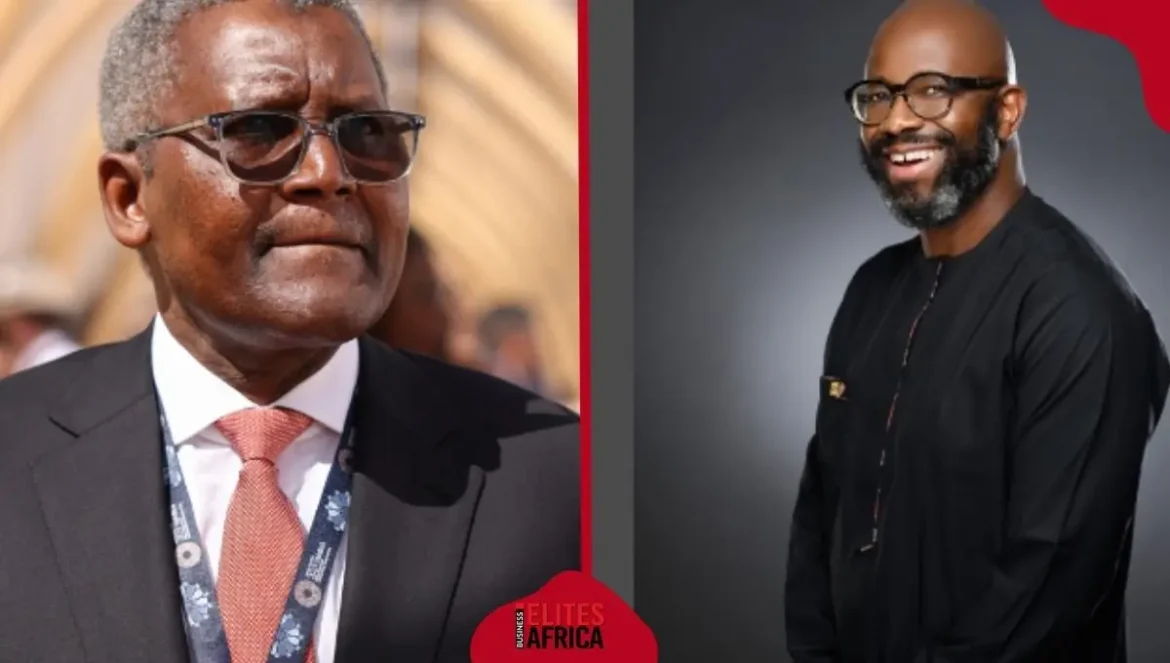
Dangote Appoints MTN CEO Ralph Mupita as Fertiliser Board Member
Breaking NewsBusiness

Dangote Appoints MTN CEO Ralph Mupita as Fertiliser Board Member

by Ayodeji Onibalusi January 30, 2026
written by Ayodeji Onibalusi

MTN CEO Joins Dangote Fertiliser Board Amid Strategic Expansion and IPO Plans

Dangote Fertiliser Limited has announced the appointment of Ralph Mupita, CEO of MTN Group, to its board as the company accelerates its growth trajectory and prepares for a public listing on the Nigerian Exchange (NGX).

Strategic Board Appointment Signals IPO Readiness

Vishwajit Sinha, Managing Director of Dangote Fertiliser, confirmed Mupita’s inclusion in the board through an official communication. This move is widely interpreted as a deliberate step to enhance corporate governance ahead of a planned initial public offering (IPO) anticipated later this year. By integrating a seasoned executive with extensive expertise in capital markets, Dangote Fertiliser aims to bolster investor confidence and align its governance framework with public market standards.

Driving Africa’s Agricultural Transformation

As one of the continent’s largest industrial ventures, Dangote Fertiliser plays a pivotal role in Aliko Dangote‘s vision to strengthen Africa’s agricultural value chain. The company’s strategy not only focuses on scaling production but also on attracting sustainable institutional investments by combining operational capacity with transparent, investor-friendly practices.

Ralph Mupita’s Capital Markets Acumen

Mupita’s appointment is closely linked to his proven track record in capital market transactions. He spearheaded the landmark 2019 listing of MTN Nigeria on the NGX, a milestone that significantly shaped Nigeria’s financial landscape. Since the IPO, MTN Nigeria’s revenue has surged over fourfold, and the company has become one of the exchange’s most valuable entities, boasting a market capitalization of approximately $8.6 billion. It currently ranks as the second-largest listed company on the NGX, trailing only BUA Foods.

Leadership Experience and Technical Expertise

Having served as MTN Group CEO for over five years and joining the company as CFO in 2017, Mupita brings a wealth of leadership experience. His background includes senior roles at South Africa’s Old Mutual, and his engineering education complements the technical complexities inherent in Dangote’s large-scale industrial operations.

Ambitious Production and Expansion Goals

Dangote Fertiliser’s flagship facility in Lagos produces around 3 million metric tonnes of granulated urea annually, supported by a $2.5 billion investment. The company has set its sights on becoming the world’s largest fertiliser manufacturer by 2028. Expansion plans include scaling up the Lagos plant and initiating construction of a new fertiliser factory in Ethiopia within the year, marking a strategic move to capture a broader share of Africa’s burgeoning agricultural input market.

Capitalizing on Africa’s Growing Agricultural Demand

Africa’s rapidly increasing population-currently the fastest-growing globally-is driving heightened demand for agricultural inputs. The African Development Bank forecasts the continent’s agricultural sector could exceed $1 trillion in value by 2030. However, productivity remains constrained by limited fertiliser usage, inadequate infrastructure, and restricted financing options. These challenges present significant opportunities for large-scale producers like Dangote Fertiliser to meet the continent’s needs at scale.

Broader IPO Strategy Within Dangote Group

The fertiliser company’s public listing is part of a larger capital market strategy within the Dangote Group. Aliko Dangote has previously indicated plans to also list the group’s refinery business. These IPOs are designed to raise fresh capital, enhance transparency, and diversify ownership by attracting both local and international institutional investors, thereby strengthening the group’s financial foundation for future growth.

January 30, 2026 0 comments
0 FacebookTwitterPinterestLinkedinRedditWhatsappTelegramViberEmail
Nigerians Make the 2026 BAFTA List – Full Nominees
Breaking NewsBusiness

Nigerians Make the 2026 BAFTA List – Full Nominees

by Ayodeji Onibalusi January 30, 2026
written by Ayodeji Onibalusi

Nigerian Talent Shines in 2026 BAFTA Nominations

The 2026 BAFTA nominations highlight the growing influence of Nigerian creatives in global cinema, with Akinola Davies Jr., Wale Davies, and Wunmi Mosaku earning recognition for their outstanding contributions. These nominations are linked to films that have already made significant waves on the international stage.

My Father’s Shadow: A Nigerian Story Told Through British Lens

The film My Father’s Shadow stands out as the most prominent Nigerian-related nomination, contending for the Outstanding Debut by a British Writer, Director, or Producer. This nomination honors the collaborative efforts of brothers Akinola Davies Jr. (director) and Wale Davies (co-writer and producer), both British-born filmmakers whose work deeply resonates with Nigerian culture and history.

Set against the backdrop of Nigeria’s 1993 election crisis, the film is primarily shot in Lagos and Ibadan, featuring dialogues in Yoruba and Nigerian Pidgin. It narrates the story of two young brothers who unexpectedly reunite with their estranged father, Folarin, and navigate a day filled with tension and uncertainty as the city braces for political upheaval.

Actor Ṣọpẹ́ Dìrísù delivers a compelling performance as Folarin, embodying the character’s internal struggles amid the country’s mounting pressures.

My Father’s Shadow has already achieved historic milestones, becoming the first Nigerian film selected for Cannes’ Official Selection, where it earned a Special Mention for the Caméra d’Or. In 2025, it was also chosen as the United Kingdom’s official submission for the Best International Feature Film category at the Oscars-an exceptional decision that underscores the global reach of Nigerian storytelling.

Wunmi Mosaku’s Acclaimed Role in Sinners

Another notable Nigerian presence is actress Wunmi Mosaku, who received a nomination for Best Supporting Actress for her role in Sinners. The film itself has garnered multiple nominations across various major categories, further cementing Mosaku’s status as a formidable talent in contemporary cinema.

Event Details: 79th BAFTA Film Awards

The prestigious 79th BAFTA Film Awards ceremony is scheduled for February 22, 2026, at London’s Royal Festival Hall. The event will be hosted by Alan Cumming, promising an evening celebrating cinematic excellence.

Complete List of 2026 BAFTA Film Nominations

Best Film

  • Hamnet
  • Marty Supreme
  • One Battle After Another
  • Sentimental Value
  • Sinners

Outstanding British Film

  • 28 Years Later
  • The Ballad of Wallis Island
  • Bridget Jones: Mad About The Boy
  • Die My Love
  • H is for Hawk
  • Hamnet
  • I Swear
  • Mr Burton
  • Pillion
  • Steve

Director

  • Yorgos Lanthimos: Bugonia
  • Chloé Zhao: Hamnet
  • Josh Safdie: Marty Supreme
  • Paul Thomas Anderson: One Battle After Another
  • Joachim Trier: Sentimental Value
  • Ryan Coogler: Sinners

Leading Actor

  • Robert Aramayo: I Swear
  • Timothée Chalamet: Marty Supreme
  • Leonardo DiCaprio: One Battle After Another
  • Ethan Hawke: Blue Moon
  • Michael B. Jordan: Sinners
  • Jesse Plemons: Bugonia

Leading Actress

  • Jessie Buckley: Hamnet
  • Rose Byrne: If I Had Legs I’d Kick You
  • Kate Hudson: Song Sung Blue
  • Chase Infiniti: One Battle After Another
  • Renate Reinsve: Sentimental Value
  • Emma Stone: Bugonia

Supporting Actor

  • Benicio Del Toro: One Battle After Another
  • Jacob Elordi: Frankenstein
  • Paul Mescal: Hamnet
  • Peter Mullan: I Swear
  • Sean Penn: One Battle After Another
  • Stellan Skarsgård: Sentimental Value

Supporting Actress

  • Odessa A’zion: Marty Supreme
  • Inga Ibsdotter Lilleaas: Sentimental Value
  • Wunmi Mosaku: Sinners
  • Carey Mulligan: The Ballad of Wallis Island
  • Teyana Taylor: One Battle After Another
  • Emily Watson: Hamnet

Special Visual Effects

  • Avatar: Fire and Ash
  • F1
  • Frankenstein
  • How to Train Your Dragon
  • The Lost Bus

Costume Design

  • Frankenstein
  • Hamnet
  • Marty Supreme
  • Sinners
  • Wicked: For Good

Film Not in the English Language

  • It Was Just An Accident
  • The Secret Agent
  • Sentimental Value
  • Sirat
  • The Voice of Hind Rajab

Children’s & Family Film

  • Arco
  • Boong
  • Lilo & Stitch
  • Zootropolis 2

Original Screenplay

  • I Swear
  • Marty Supreme
  • The Secret Agent
  • Sentimental Value
  • Sinners

Adapted Screenplay

  • The Ballad of Wallis Island
  • Bugonia
  • Hamnet
  • One Battle After Another
  • Pillion

Outstanding Debut by a British Writer, Director, or Producer

  • Jack King, Hollie Bryan, Lucy Meer: The Ceremony
  • Akinola Davies Jr., Wale Davies: My Father’s Shadow
  • Harry Lighton: Pillion
  • Myrid Carten: A Want in Her
  • Cal McMau, Hunter Andrews, Eoin Doran: Wasteman
January 30, 2026 0 comments
0 FacebookTwitterPinterestLinkedinRedditWhatsappTelegramViberEmail
Newer Posts
Older Posts

Subscribe to our newsletter!

Advertisement

Your browser does not support the video tag.

Categories

  • Auto
  • Breaking News
  • Business
  • Celebrities
  • Disasters
    • Pollution
  • Economy
    • Infrastructure
  • Education
  • Entertainment
    • Movies
  • Fashion
  • Finance
  • Global
  • Health
  • International
    • America
    • Climate Change
  • Lagos
  • Lifestyle
  • Linkinbio
  • Love and Sex
  • Luxury Market
  • money
  • Music
  • Opinion
  • Oscars
  • Oyo State
  • People
  • Politics
    • Security
      • Terrorism
  • Religion
  • Royal Family
  • Social Media
  • Sponsored
  • sports
    • Football
  • Technology
  • Transport
  • Travel
  • Travel Guides
  • Weddings

OYOGist brings you only the latest and most relevant news you need to make your day complete. For ads placements, reach out to us via ads (at)oyogist.com. If you have news tips or gossips, email us at tips (@) oyogist.com.

Subscribe to us

Subscribe to our newsletter!

Advertise

Want to promote your brand on OYOGist.com? Reach out to us via email at ads@oyogist.com

Recent Posts

Contact Us

    • Facebook
    • Twitter
    • Instagram
    • Politics
    • Entertainment
    • International

    OYOGist.com © 2025 - All Right Reserved.

    OYO Gist
    • Breaking News
    • Politics
    • Jobs
      • Post a Job
        • Job Dashboard
    • Advertise
    OYO Gist
    • Home
    • Advertise With Us
    • Breaking News
    • Politics
      • Lagos
      • Oyo State
    • Entertainment
    • Celebrities
    • Business
      • money
      • Technology
    • International
    • People
    • sports
    • Health
    OYOGist.com©2025. All right reserved.