
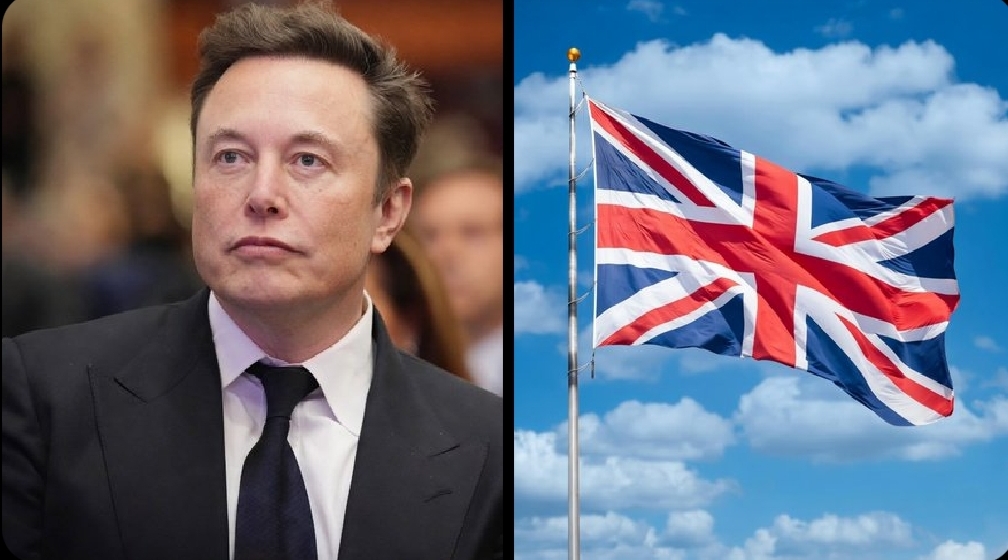
In a bold statement that has ignited fresh debate across the Atlantic, tech billionaire and free speech advocate Elon Musk has called for the immediate release of thousands of British citizens imprisoned for their social media activity. The X owner’s remarks, shared widely on the platform, spotlight ongoing tensions between government regulation of online expression and fundamental rights to free speech in the United Kingdom.
Musk’s direct intervention came in response to reports and discussions highlighting the scale of arrests in Britain for online communications. He stated unequivocally: “The thousands of British people imprisoned merely for social media posts or speaking their mind need to be released!” Accompanying posts from accounts like @globalmarketss featured imagery of Musk alongside the Union Jack flag, framing the issue as a transatlantic concern involving both the US and UK.
This latest call builds on Musk’s previous criticisms of UK policies. Earlier in 2026, he reacted strongly to data showing over 12,000 arrests in 2023 alone for social media posts deemed “indecent, obscene, or menacing” under laws such as Section 127 of the Communications Act 2003 and the Malicious Communications Act 1988. These figures, uncovered through Freedom of Information requests by The Times, equate to roughly 33 arrests per day — a significant rise from previous years. While not all arrests lead to convictions or lengthy sentences (with only about 1,119 people sentenced in 2023), critics argue the sheer volume reflects an overreach that chills legitimate expression.
The UK’s approach to online speech has intensified in recent years, particularly following periods of public unrest where authorities moved quickly to curb what they viewed as incitement or misinformation on platforms. Supporters of the laws point to the need to combat harassment, threats, and content that could spark real-world violence. However, Musk and others have labeled these efforts as veering into “real fascism,” pointing out that the UK appears to lead globally in such arrests — surpassing figures reported in countries with more authoritarian reputations on speech issues.
Broader context reveals a pattern of friction between Musk’s X platform and British authorities. From threats of bans and fines over content moderation to clashes during 2024 unrest, where UK officials urged Musk to act “responsibly,” the billionaire has consistently positioned himself as a defender against what he sees as excessive censorship. His recent demand for releases echoes these battles, raising questions about vague legal standards that can ensnare users for retweets, memes, or strongly worded opinions.
Freedom advocates worldwide have seized on the story, arguing that imprisoning people for online expression sets a dangerous precedent in a democracy. Cases involving cartoons, shared posts, or heated commentary during protests have fueled accusations that the laws are applied unevenly or too broadly. On the other side, UK officials and some lawmakers maintain that these measures protect public order and vulnerable groups from genuine harm, emphasizing that arrests typically involve more than mere “offensive” opinions.
Musk’s high-profile stance amplifies calls for reform. With cumulative arrests since 2017 exceeding 65,000 according to some reports, pressure is mounting for clearer guidelines, stronger protections for speech, and perhaps a reassessment of the Online Safety Act’s impact. As global scrutiny grows, the episode underscores a deeper philosophical divide: where does legitimate regulation of harmful content end, and where does suppression of dissent begin?Whether Musk’s intervention prompts policy changes or further diplomatic sparring remains to be seen. For now, it has thrust the issue of British free speech into the international spotlight, reminding observers that in the digital age, the battle over ideas is far from confined by national borders. The coming weeks and months may determine if this becomes a catalyst for meaningful reform or another chapter in the ongoing culture war over online expression.
