
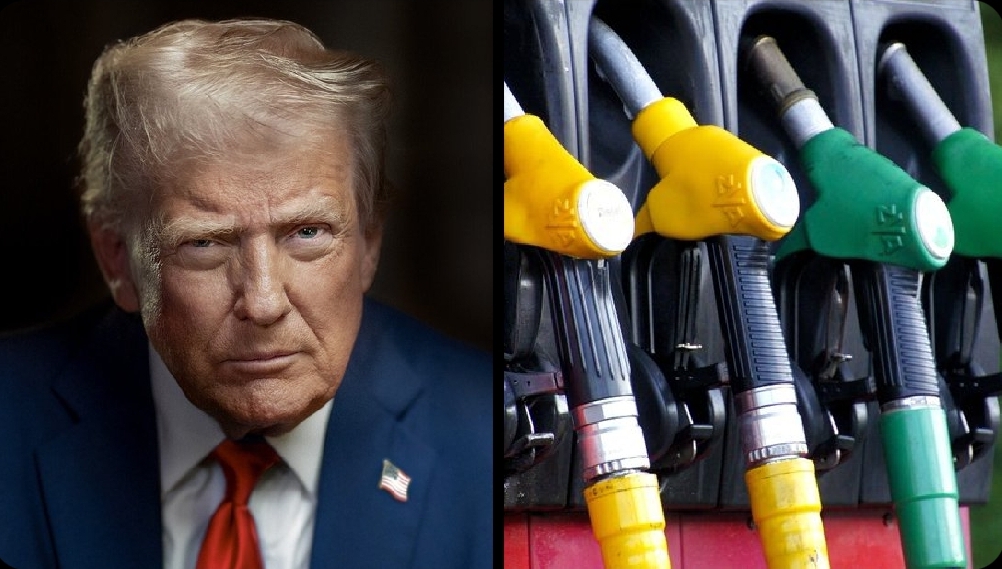
U.S. President Donald Trump has intensified his stance on negotiations with Iran, declaring that the condition of American citizens will not push him into accelerating any diplomatic agreement with Tehran. The comment arrives at a moment when global anxiety over escalating tensions with Iran continues to ripple through financial markets, energy systems, and international security alliances. By openly stating that domestic discomfort would not dictate the pace of negotiations, Trump has reinforced an approach centered on strategic pressure rather than compromise diplomacy.
The broader context surrounding the statement is tied to a widening geopolitical confrontation that has already reshaped global energy dynamics. Tensions linked to Iran’s role in regional conflicts and threats to the Strait of Hormuz have disrupted oil flows, contributing to a worldwide fuel crisis that has driven inflation and economic uncertainty. Negotiations between Washington and Tehran have long revolved around nuclear capabilities, sanctions relief, and regional military influence, but the current administration appears determined to extract concessions before easing pressure. Market reactions suggest investors interpret Trump’s rhetoric as an indication that talks may remain prolonged, increasing the likelihood of sustained volatility in oil prices and international trade routes.
From a political communication perspective, the remark reflects a deliberate signaling strategy aimed both at adversaries abroad and supporters at home. By emphasizing that American hardship will not accelerate diplomacy, Trump projects resolve and negotiation toughness, positioning the United States as unwilling to negotiate under perceived economic duress. Critics, however, argue that such messaging risks widening the gap between foreign policy ambitions and domestic expectations, particularly when rising fuel costs and inflation directly affect voters’ daily lives. The statement therefore sits at the intersection of diplomacy, economic management, and political branding, revealing an administration willing to endure short-term domestic strain in pursuit of what it views as long-term geopolitical leverage. Whether this strategy ultimately produces a breakthrough agreement or prolongs global uncertainty remains one of the defining questions shaping international politics in 2026.
