
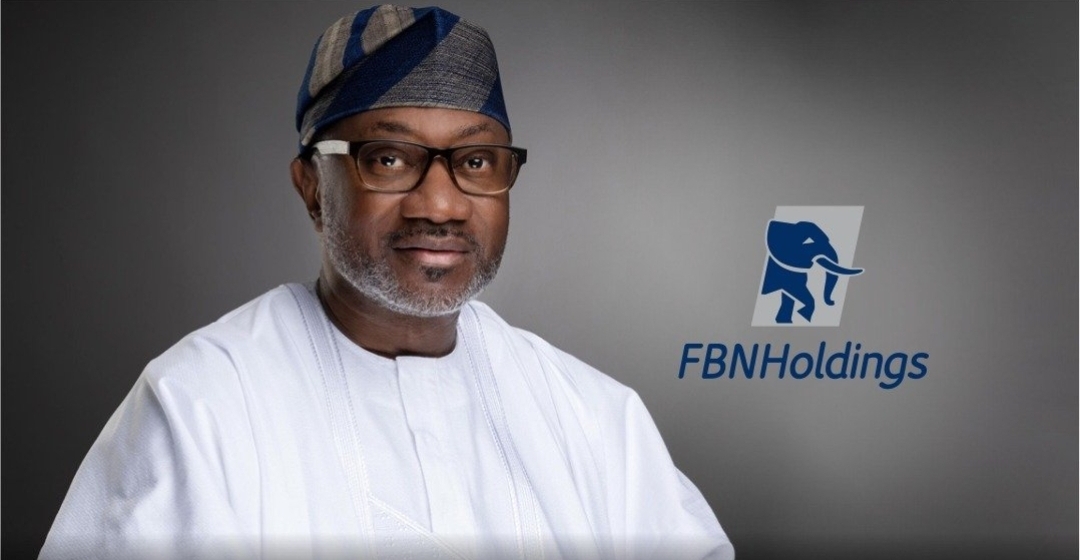
Nigerian billionaire investor Femi Otedola has once again captured market attention after executing one of the most significant insider share purchases seen on the Nigerian Exchange in recent years, committing an astonishing ₦43.4 billion to acquire additional shares in First HoldCo Plc. The transaction involved the purchase of approximately 549 million shares at ₦79 per share through an investment vehicle linked to the billionaire, instantly becoming one of the largest single-day equity moves in Nigeria’s financial market history.
In financial markets, insider buying carries powerful psychological and strategic meaning. When a company’s major shareholder or chairman increases personal exposure to the company’s stock using their own capital, investors typically interpret the action as a vote of confidence in the company’s future earnings potential, governance reforms, or long-term valuation. Otedola, who became a dominant shareholder and chairman of First HoldCo following years of restructuring within the former First Bank group, has steadily positioned himself as a central figure in the institution’s transformation narrative. Market analysts believe the move signals confidence in ongoing corporate reforms, improved profitability expectations, and strengthened regulatory stability within Nigeria’s banking sector.
The purchase also arrives at a time when Nigeria’s capital market has experienced renewed investor optimism driven by banking sector recapitalization discussions, currency reforms, and efforts to attract foreign portfolio inflows. By deploying over ₦43 billion in a single transaction, Otedola effectively delivered a message stronger than any public statement — demonstrating conviction through capital rather than commentary. Historically, such insider accumulation tends to influence market sentiment, often encouraging institutional and retail investors to reassess valuations and reconsider long-term positions.
Beyond immediate market reactions, the acquisition reinforces a broader investment principle widely followed across global markets: sophisticated investors often watch insider activity closely because corporate insiders possess deeper knowledge of operational performance, strategic plans, and upcoming opportunities. While insider buying does not guarantee stock appreciation, it frequently signals alignment between leadership confidence and shareholder interests.
For Nigeria’s investment community, the transaction represents more than a headline-grabbing number. It highlights a growing maturity within the Nigerian Exchange where large-scale capital deployment, corporate restructuring, and billionaire-led confidence plays are increasingly shaping market direction. In essence, Otedola did not merely purchase shares — he reinforced belief in the future trajectory of one of Nigeria’s most historic financial institutions.
