
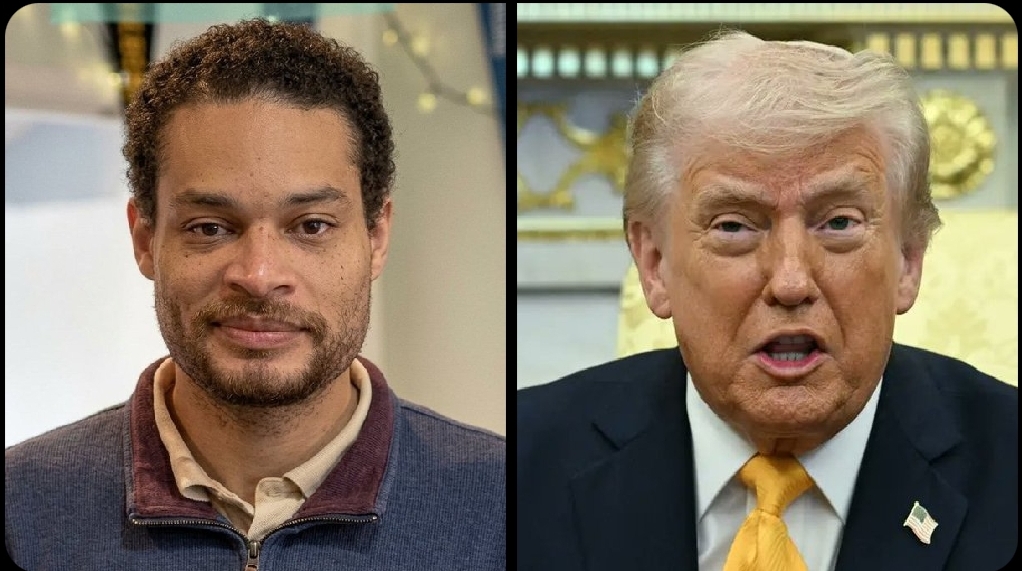
A dramatic legal chapter unfolded in the United States as Cole Allen formally pleaded not guilty to all charges connected to an alleged plot targeting former U.S. President Donald Trump. The case has immediately drawn nationwide attention due to its implications for political security and rising concerns about threats against public figures.
Federal prosecutors allege that Allen was involved in planning actions that authorities interpreted as a credible assassination threat, prompting swift intervention by law enforcement agencies. While investigators have not publicly disclosed every operational detail, officials emphasized that intelligence monitoring and preventive measures played a crucial role in stopping the alleged plan before it advanced further.
The defendant’s not-guilty plea sets the stage for what could become a highly scrutinized trial examining motivations, evidence standards, and the growing challenge of identifying potential threats in an era shaped by online radicalization and political polarization. Legal experts suggest the proceedings will test how courts handle cases involving intent, digital communications, and preventive policing.
Beyond the courtroom, the case highlights a broader national conversation about political violence in modern democracies. Security agencies continue to balance civil liberties with heightened protective measures around current and former leaders, reflecting an environment where political tensions increasingly intersect with public safety concerns.
