
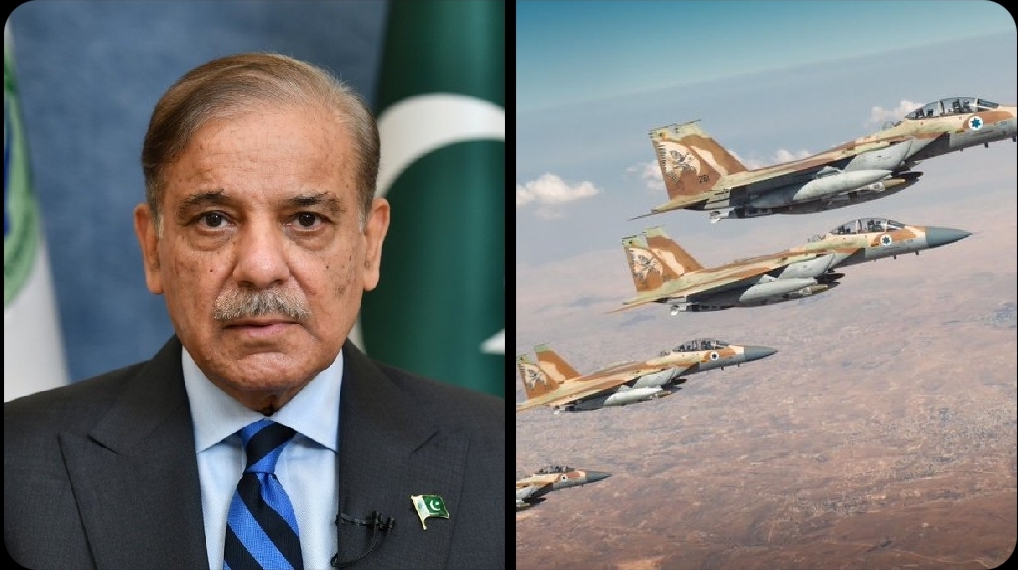
New diplomatic friction has emerged after U.S. officials accused Pakistan of secretly allowing Iranian aircraft to operate or shelter within its territory during a period of heightened tensions between Washington and Tehran. The allegation introduces another layer of complexity into an already fragile geopolitical environment across the Middle East and South Asia.
According to American officials, intelligence assessments suggest that aircraft linked to Iran may have been temporarily positioned in Pakistan to avoid potential surveillance or pressure during escalating confrontations with the United States. While details remain limited, the claim has sparked immediate speculation about shifting regional alliances and quiet security arrangements behind the scenes.
Pakistan has historically balanced relationships between Western powers, China, and neighboring Iran, often pursuing pragmatic diplomacy aimed at protecting its economic and security interests. Islamabad has not publicly confirmed the accusations, and analysts caution that intelligence disputes frequently emerge during periods of geopolitical strain.
The development highlights how regional actors increasingly navigate complex multipolar dynamics rather than strict alliance structures. As U.S.–Iran tensions fluctuate, countries positioned between competing powers face growing pressure to maintain neutrality while avoiding entanglement in broader strategic rivalries. Whether the allegation evolves into a formal diplomatic dispute or fades into intelligence ambiguity will depend on forthcoming evidence and official responses from both governments.
