
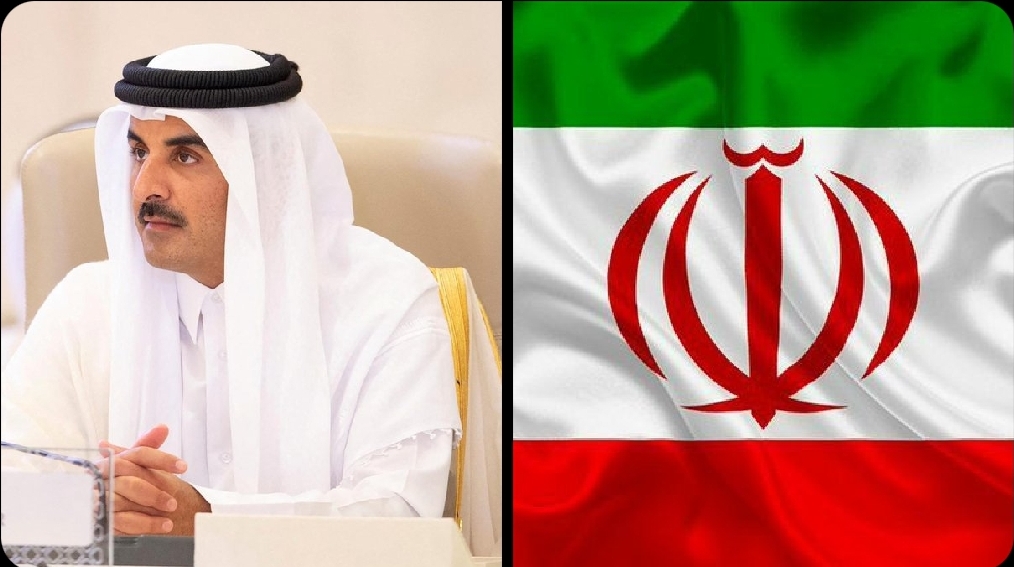
Tensions in the Persian Gulf have intensified after Qatar issued a warning urging Iran not to use the strategically vital Strait of Hormuz as leverage against neighboring Gulf nations. The statement highlights growing regional anxiety over the security of one of the world’s most critical energy corridors.
The Strait of Hormuz serves as a narrow maritime passage through which roughly one-fifth of global oil shipments travel daily, making it a cornerstone of international energy stability. Any disruption to navigation through the strait carries immediate consequences for global oil prices, shipping insurance costs, and economic confidence worldwide.
Qatari officials emphasized the importance of maintaining open and secure shipping routes, signaling concern that geopolitical disputes should not translate into economic coercion affecting regional partners. Iran has historically suggested it could restrict passage through the strait during periods of confrontation with Western powers or sanctions pressure, though such actions have never been fully implemented due to the immense global repercussions they would trigger.
The warning reflects broader Gulf dynamics, where states seek to balance diplomatic engagement with Iran while simultaneously safeguarding economic stability and maritime security. Analysts believe the statement also sends reassurance to global markets that Gulf countries remain committed to preventing escalation that could threaten energy flows.
As tensions across the Middle East remain interconnected — from Gaza to U.S.–Iran relations — the stability of the Hormuz Strait continues to serve as a sensitive indicator of regional security and the fragile equilibrium underpinning global energy supply chains.
