
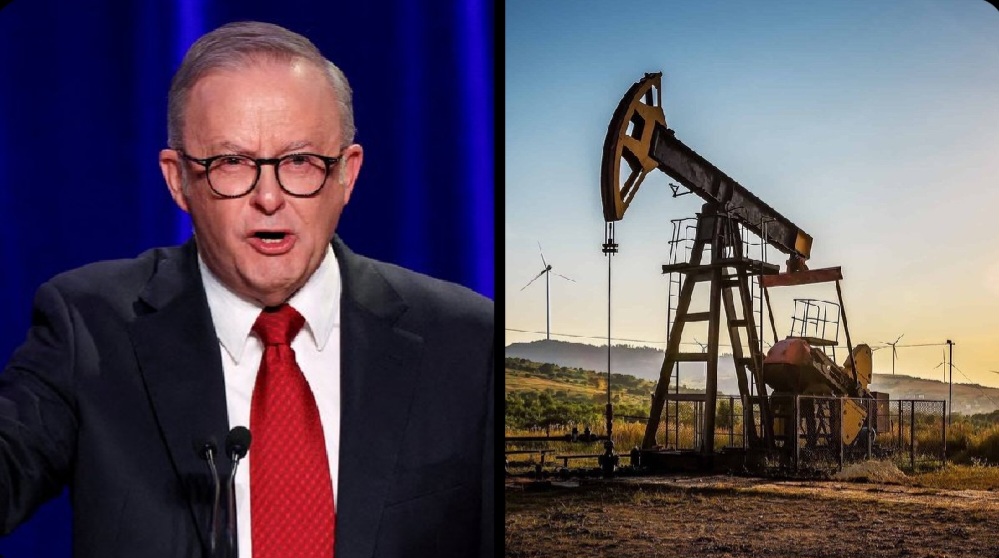
Australia has issued a stark warning that escalating tensions involving Iran could trigger a severe global oil shock, potentially driving crude prices as high as $200 per barrel — a scenario economists say would ripple through nearly every sector of the global economy.
Australian officials cautioned that any expansion of military confrontation in the Middle East risks disrupting critical energy supply routes, particularly shipments passing through the Strait of Hormuz. Because global oil markets remain tightly interconnected, even limited supply interruptions could rapidly translate into soaring fuel prices, higher transportation costs, and rising inflation worldwide.
Energy analysts note that the warning reflects growing fears among Western governments that geopolitical instability is once again becoming the primary driver of energy volatility. Unlike previous market fluctuations caused by economic cycles, a conflict-driven oil surge would likely be sudden and difficult for policymakers to manage.
A sustained spike toward $200 per barrel could significantly impact developing economies reliant on fuel imports, increase food prices due to higher logistics costs, and complicate central bank efforts to control inflation. Governments may be forced to release strategic petroleum reserves or accelerate investments in alternative energy sources to cushion economic shocks.
Australia’s statement signals that concerns over Middle East stability have moved beyond regional diplomacy and into global economic risk management, reinforcing how closely energy security remains tied to geopolitical developments.
