
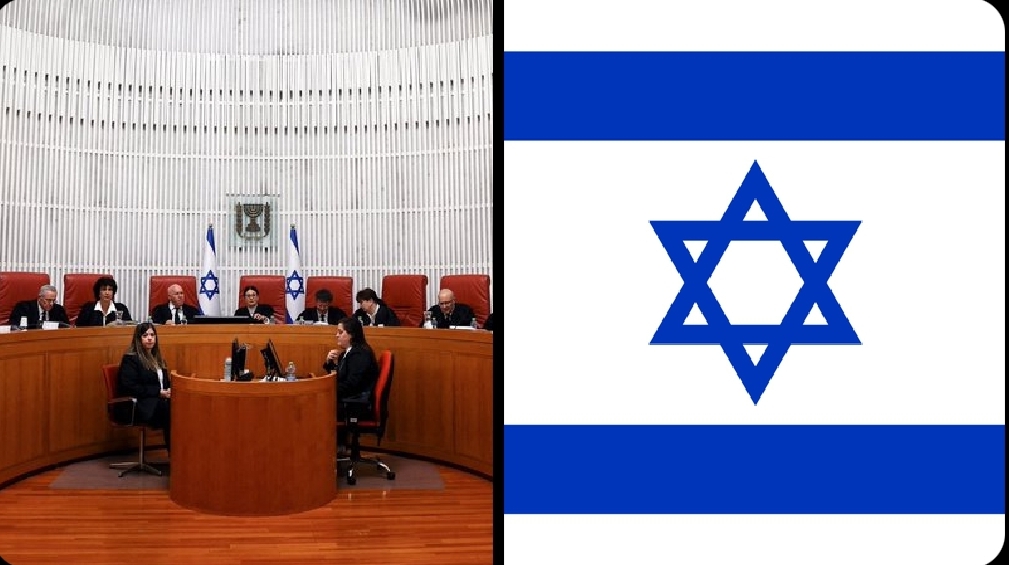
Israel has announced plans to establish a special military tribunal to prosecute captured Hamas militants linked to the October 7 attacks, marking a significant escalation in the legal and judicial phase of the ongoing Gaza conflict. The proposed tribunal signals Israel’s intent to pursue formal accountability for what it describes as one of the deadliest attacks in the country’s history.
Following the coordinated assault carried out by Hamas, Israeli authorities launched extensive military operations in Gaza while simultaneously gathering evidence for future prosecutions. The new tribunal is expected to handle charges including war crimes, murder, kidnapping, and allegations of sexual violence. Reports indicate that convicted individuals could face severe penalties, potentially including death sentences under extraordinary wartime legal provisions and permanent bans preventing prisoner exchange releases.
Israeli officials argue that traditional civilian courts may be insufficient given the scale and nature of the attacks, framing the tribunal as a mechanism for delivering justice and deterring future militant operations. Critics and international human rights organizations, however, are already raising concerns about due process, transparency, and compliance with international humanitarian law.
The tribunal represents a broader shift from immediate military response toward long-term legal consequences of the conflict. Observers note that how Israel conducts these trials may influence international perceptions of legitimacy and shape future debates surrounding counter-terrorism justice, wartime accountability, and the limits of military jurisdiction during prolonged conflicts.
