
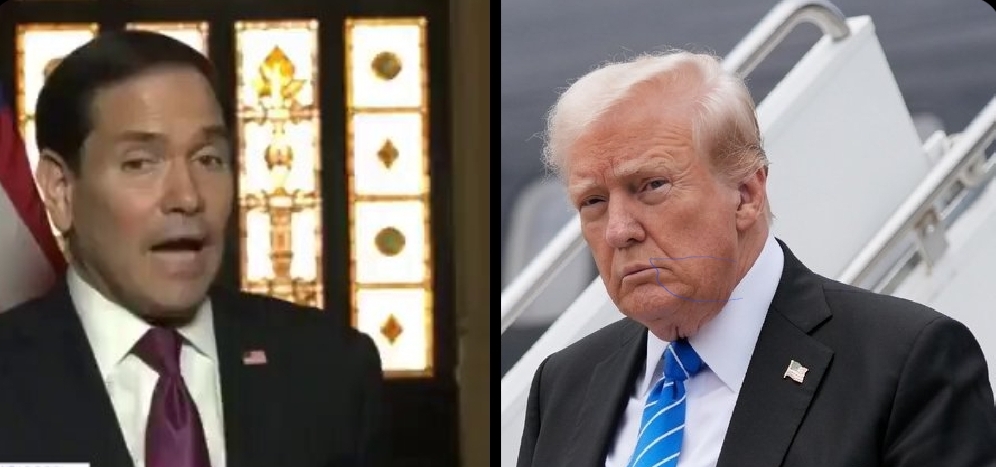
U.S. Secretary of State Marco Rubio has once again reinforced Washington’s firm position on Iran’s nuclear ambitions, stating that every American president has consistently opposed a nuclear-armed Iran, but insisting that President Donald Trump is the first leader actively taking “concrete action” to stop it. According to Rubio, the issue is not new in American foreign policy, but what separates the current administration is its willingness to move beyond statements and apply direct strategic pressure to prevent Iran from advancing its nuclear capabilities.
Rubio’s comments reflect a broader and long-standing U.S. position that Iran must never be allowed to develop nuclear weapons, a stance that has shaped decades of diplomatic negotiations, sanctions, and military planning. In earlier remarks, Rubio has repeatedly argued that Iran’s enrichment activities and missile development pose serious risks, maintaining that any credible agreement must eliminate pathways to weaponization and ensure strict verification mechanisms. He has also emphasized that the United States prefers diplomacy, but not at the cost of allowing nuclear proliferation in the Middle East.
In defending the current administration’s approach, Rubio has framed President Trump’s strategy as more decisive compared to previous U.S. governments. He suggests that past presidents expressed opposition but relied heavily on diplomatic agreements that did not fully eliminate Iran’s enrichment capabilities. In contrast, the present approach, according to Rubio, combines diplomatic pressure with stronger enforcement measures aimed at limiting Iran’s ability to advance its nuclear program.
The statement also comes amid heightened geopolitical tensions involving Iran’s regional activities and renewed concerns over nuclear escalation. U.S. officials have recently increased pressure on Tehran, warning that continued enrichment and military expansion could lead to severe consequences, including intensified sanctions and potential military responses if necessary. These developments highlight a shift toward a more confrontational stance, even as diplomatic channels remain technically open.
While the administration maintains that its objective is prevention rather than conflict, critics argue that the aggressive posture risks further destabilizing an already fragile regional balance. Supporters, however, view it as a necessary correction to years of what they see as ineffective diplomacy that failed to fully address Iran’s nuclear trajectory.
Ultimately, Rubio’s remarks underline a clear message from Washington: the United States remains committed to ensuring Iran does not acquire nuclear weapons, and the current administration believes it is taking the most assertive steps yet to enforce that policy
