
Table of Contents
Iran Shuts Strait of Hormuz Amid Naval Exercises, Heightening US-Iran Tensions
Strategic Closure of a Vital Oil Passage
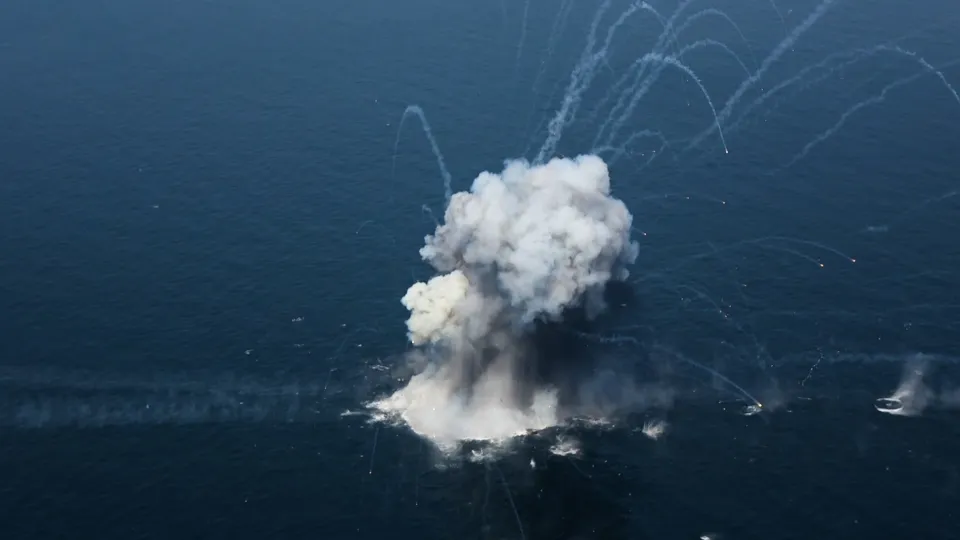
In a significant escalation of regional tensions, Iran has temporarily sealed the Strait of Hormuz during live-fire naval drills conducted by its Islamic Revolutionary Guard Corps (IRGC). This marks the first closure of this critical maritime corridor since the 1980s, when the Iran-Iraq tanker war disrupted global oil shipments.
The Strait of Hormuz is a pivotal chokepoint in the Persian Gulf, channeling approximately 20% of the world’s petroleum exports. Iran’s decision to block this route amid military exercises signals a rare and assertive demonstration of power, coinciding with intensified diplomatic friction between Tehran and Washington over Iran’s nuclear ambitions.
Historical Context and Market Implications
The shutdown evokes memories of past confrontations in the Gulf, where Iran has previously targeted commercial vessels and deployed naval mines during periods of conflict. Such disruptions have historically triggered volatility in global oil markets, underscoring the strait’s strategic importance.
Recent data from the International Energy Agency (IEA) highlights that nearly 21 million barrels of oil per day transit this narrow waterway, making any interruption a potential catalyst for price spikes and supply chain uncertainties worldwide.
Military Maneuvers and Regional Alliances
Alongside the closure, Iran announced upcoming joint naval exercises with Russia in the Sea of Oman and the northern Indian Ocean. Iranian Navy Commander Hassan Maghsoodloo emphasized that these drills aim to bolster “maritime security and safety,” reflecting Tehran’s intent to showcase its naval capabilities and strengthen strategic partnerships.
Leadership Statements and Diplomatic Developments
Supreme Leader Ayatollah Ali Khamenei issued a stark warning, suggesting that even the world’s most powerful military forces could suffer debilitating setbacks. His remarks, widely interpreted as a message to the United States, also condemned what he described as American coercion in the region.
Meanwhile, Iran’s Foreign Minister Abbas Araghchi described recent negotiations in Geneva as opening “a new window” toward a potential agreement, expressing cautious optimism that talks could yield a durable resolution benefiting all involved parties. However, he reiterated Iran’s readiness to defend itself against any aggression, cautioning that any attack would provoke repercussions beyond its borders.
US Response and Military Posturing
In Washington, Vice President JD Vance offered a nuanced view of the ongoing talks, acknowledging progress while noting that Iran has yet to fully accept the red lines set by the US administration. President Donald Trump has intensified pressure on Tehran by deploying the USS Gerald R. Ford aircraft carrier to join the USS Abraham Lincoln strike group in the Gulf, significantly amplifying American naval presence near Iranian waters.
Responding to this deployment, Khamenei dismissed the threat, stating, “An aircraft carrier is a formidable weapon, but more perilous is the arsenal capable of sinking it.” Trump, speaking aboard Air Force One, reiterated that while Iran seeks a deal, military options remain on the table, referencing past strikes on Iranian nuclear sites as evidence of US resolve.
Global Energy Markets on Alert
As diplomatic negotiations continue alongside military demonstrations, the Strait of Hormuz remains a focal point of geopolitical tension. Energy markets worldwide are closely watching developments, aware that any prolonged disruption could have far-reaching consequences for oil supply and prices.
Analysts warn that even brief closures or threats to this maritime artery can trigger immediate spikes in crude oil prices, impacting economies globally. The International Energy Forum has called for restraint and dialogue to ensure the uninterrupted flow of energy resources vital to global stability.
