
Table of Contents
Why Dangote Cement Costs More in Nigeria Than Abroad: An In-Depth Analysis
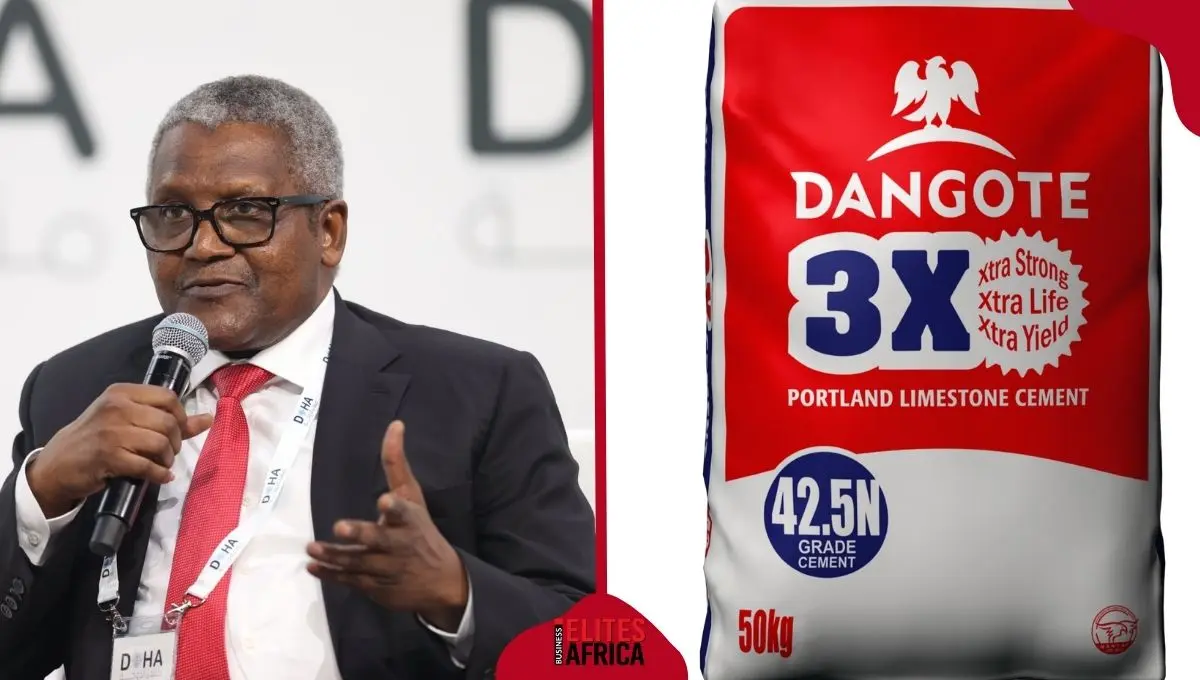
For years, Nigerians have been puzzled by a recurring question: why is Dangote Cement priced higher within Nigeria compared to its cost in foreign markets? Aliko Dangote, the visionary behind the Dangote Group, has recently shed light on this issue, attributing the price disparity primarily to Nigeria’s tax policies and regulatory framework.
The Impact of Taxation on Domestic Cement Prices
Dangote revealed that cement manufactured and sold inside Nigeria is subject to a multitude of taxes and levies that do not apply when the product is exported. These fiscal obligations significantly inflate the cost of cement for Nigerian consumers.
Specifically, Dangote Cement faces several mandatory charges domestically, including corporate income tax, education tax, health-related levies, value-added tax (VAT), and withholding tax. The cumulative effect of these taxes substantially raises production expenses, which are ultimately passed on to buyers.
Conversely, when cement is exported, many of these taxes are waived or reduced, allowing the company to lower its export prices. This tax relief on exports results in a notable reduction in the overall cost of cement sold outside Nigeria.
How Export Tax Exemptions Enhance Global Competitiveness
By benefiting from tax exemptions on exported goods, Dangote Cement can offer its products at more competitive prices in international markets. This advantage enables the company to hold its own against global cement producers from countries such as Turkey, Russia, and China.
Without these export-related tax breaks, it would be nearly impossible for Dangote Cement to compete effectively on the world stage. Simply put, the lower tax burden on exports translates into cheaper cement abroad compared to the domestic market.
The Paradox of Global Success and Local Challenges
While Nigerian cement becomes more affordable and competitive internationally due to tax relief, the same product remains relatively expensive for local consumers because of the heavy fiscal demands placed on manufacturers within Nigeria.
This creates a paradoxical situation where it is economically more viable to sell Nigerian-made cement overseas than to supply it affordably to Nigerians themselves. The domestic market, burdened by taxes, struggles to enjoy the benefits of local production.
Broader Implications for Nigeria’s Economic Landscape
Dangote’s insights highlight a fundamental issue within Nigeria’s economic and regulatory environment. Despite abundant local raw materials, the country’s tax system imposes significant costs on manufacturers, undermining efforts to boost local production and economic self-reliance.
As a staunch advocate for indigenous manufacturing, Dangote emphasizes that Nigeria’s path to economic independence is hindered by excessive taxation and regulatory pressures on businesses. This challenge extends beyond cement, affecting a wide range of locally produced goods.
Until these structural barriers are addressed, Nigerian consumers are likely to continue facing higher prices for products made within their own borders, limiting the growth potential of domestic industries and the broader economy.
Current Context and Future Outlook
Recent data from the Nigerian Bureau of Statistics indicates that manufacturing contributes approximately 9% to Nigeria’s GDP, a figure that has stagnated partly due to high operational costs including taxes. Meanwhile, countries with more favorable tax regimes have seen their cement industries grow robustly, capturing larger shares of the global market.
Reforming Nigeria’s tax policies to ease the burden on local manufacturers could stimulate domestic production, reduce prices for consumers, and enhance the country’s competitiveness both at home and abroad. Such changes would align with Nigeria’s broader economic goals of diversification and industrialization.
