
Table of Contents
Controversy Erupts Over Alleged Tampering with Tax Legislation
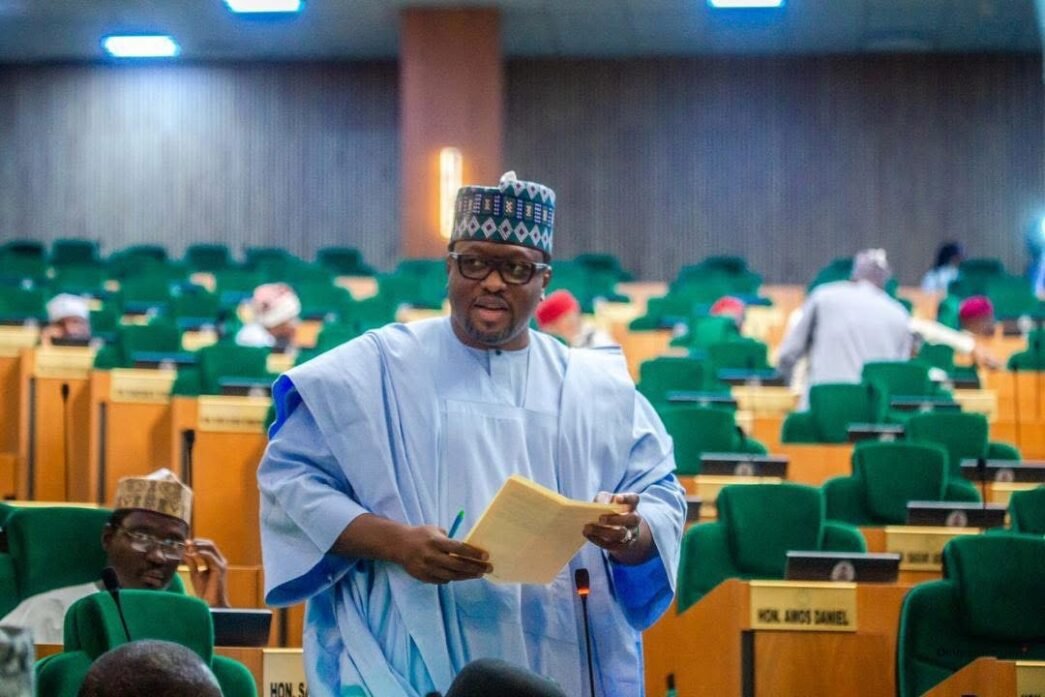
On Wednesday, Hon. Abdulsammad Dasuki, a member of Nigeria’s House of Representatives, ignited widespread public concern by accusing the government of modifying the tax laws slated for implementation. His claims have stirred significant debate among Nigerians nationwide.
Discrepancies Between Passed and Published Tax Laws
In a widely circulated video on the social media platform X (formerly Twitter), Hon. Dasuki highlighted inconsistencies between the tax bill approved by the National Assembly and the version officially published in the government gazette. He emphasized that these differences were deliberate alterations rather than mere typographical mistakes.
Constitutional Implications and Calls for Accountability
Dasuki argued that such unauthorized changes constitute a violation of Nigeria’s Constitution, undermining the legislative process. He stated, “Mr Speaker, honourable colleagues, the document we passed on this floor is not the same as the one gazetted. I cast my vote based on the original text, yet what is now public is entirely different.”
He further urged the House to treat this matter with the seriousness it deserves, warning against overlooking what he described as a constitutional breach.
Speaker Promises Thorough Investigation
Responding to the allegations, Speaker Hon. Tajudeen Abbas assured the assembly members that a comprehensive inquiry would be launched to ascertain the facts surrounding the purported amendments.
Public and Expert Reactions Highlight Severity of Allegations
The controversy has sparked a wave of reactions across social media and civil society. Many Nigerians expressed outrage, with some legal experts suggesting that if the claims are substantiated, the offense could warrant impeachment proceedings.
Voices from Social Media and Legal Circles
On X, a user named OurFaveOnlineDoc criticized the presidency, stating, “The National Assembly has been completely undermined by the presidency. This represents a new low in our nation’s governance.”
Human rights attorney Inibehe Effiong echoed this sentiment, emphasizing that such an act, if proven, amounts to an impeachable violation of constitutional law.
Similarly, commentator Obiasogu David remarked, “Should these allegations hold true, the government has engaged in outright constitutional fraud.”
Awaiting Official Response from the Presidency
As of the latest updates, the Nigerian Presidency has not issued any statement addressing the accusations.
Context: The New Tax Law and Its Implementation Timeline
According to Politics Nigeria, the tax legislation in question was signed into law by President Bola Ahmed Tinubu in June 2024. The law is scheduled to come into effect on January 1, 2025, marking a significant shift in Nigeria’s fiscal policy framework.
Looking Ahead
With the implementation date approaching, the integrity of the tax law’s content is critical for public trust and economic stability. The ongoing investigation by the National Assembly will be pivotal in clarifying the situation and ensuring adherence to constitutional procedures.
