
What was meant to be a professional trip to Germany quickly descended into a distressing ordeal for an editor Samson Folarin, exposing what he described as the harsh realities of rigid immigration systems and inadequate support for stranded travellers.
Folarin had travelled to Frankfurt to participate in an AI Leaders programme alongside media professionals from different parts of the world. However, his difficulties began even before he boarded his flight, when the German Consulate in Lagos issued him a Schengen visa valid for only five days — precisely matching the duration of the programme.
Despite his extensive travel history and previous European visas, he found the decision unusually restrictive.
Upon arriving in Frankfurt, another setback emerged. After struggling to purchase a train ticket due to language barriers and card payment issues at automated machines, he boarded a train following what he interpreted as guidance from a police officer. Minutes later, ticket inspectors fined him €60 for travelling without a valid ticket, despite his explanations that he had attempted to pay and sought assistance.
The situation worsened at the end of his trip when industrial action and technical problems disrupted flight schedules. His return journey to Nigeria, initially rescheduled through another airline, was eventually cancelled at Frankfurt Airport due to an aircraft fault. Passengers were informed that hotel accommodation had been arranged, but Folarin encountered a fresh obstacle — his five-day visa had expired that same day.
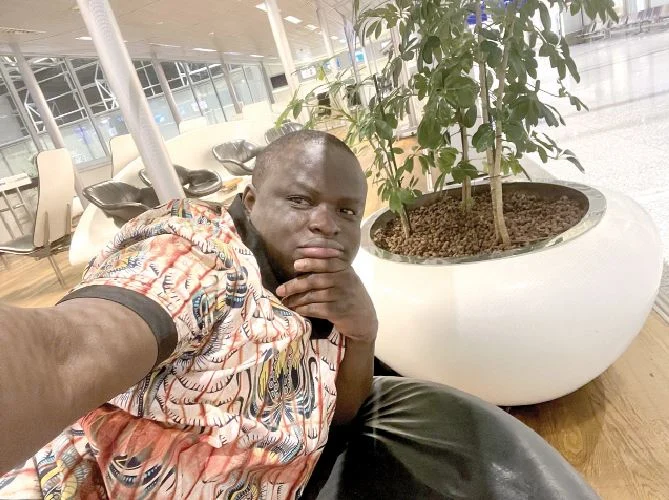
According to his account, German immigration authorities refused him temporary entry into the country despite the circumstances surrounding the cancelled flight. He was forced to spend the night inside the airport terminal, sleeping on a chair while awaiting a new departure arrangement. Another Nigerian traveller reportedly faced a similar predicament.
One of the most emotional moments of the experience came when Folarin met a Moroccan colleague from the same programme who had also been stranded.
The woman, overwhelmed by exhaustion and frustration, reportedly revealed that she had spent the night in the terminal and, at one point, drank water from a restroom tap because she lacked access to basic necessities. The editor later learned that the woman had been pregnant during the ordeal.
Although he eventually returned to Lagos after an extended journey through Casablanca, Folarin said the experience left him disappointed by what he viewed as a lack of compassion within the systems designed to assist travellers during emergencies. He noted that while Frankfurt impressed him with its architecture and cultural attractions, the handling of stranded passengers painted a different picture.
The veteran journalist subsequently lodged a formal complaint with Lufthansa, seeking compensation over the disruptions, but said he received only automated responses without further engagement. Reflecting on the ordeal, he argued that true hospitality should be measured not only by a country’s beauty or efficiency during normal circumstances, but by how it treats vulnerable people when unexpected crises arise.
For Folarin, the trip became more than a tale of delayed flights and expired visas; it evolved into a personal reflection on bureaucracy, empathy, and the human cost of inflexible systems. As he concluded in his account, Germany, its institutions, and the airlines involved “can do better.”
