
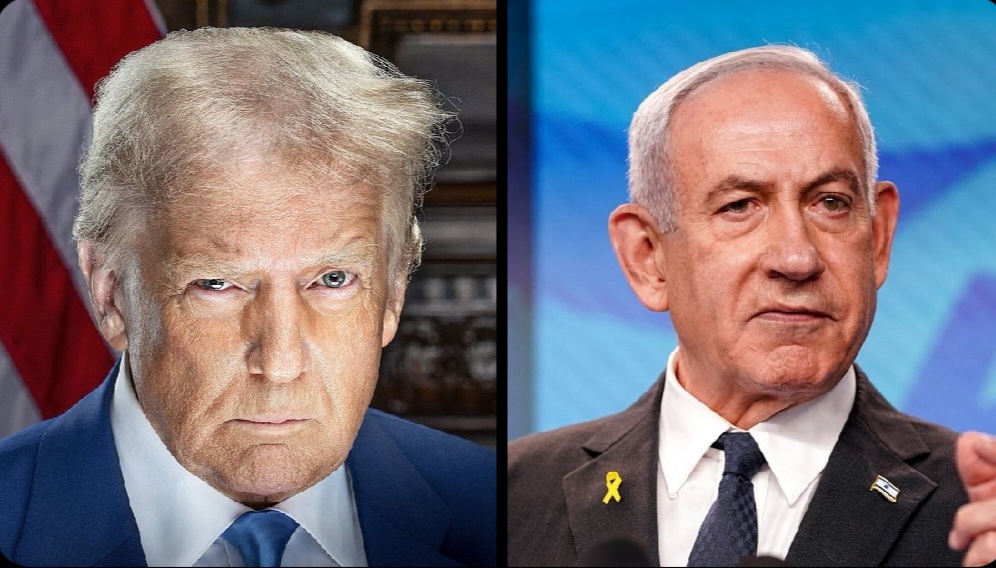
In a significant display of continued U.S.-Israel alignment amid delicate diplomatic maneuvers, President Donald Trump has assured Israeli Prime Minister Benjamin Netanyahu that he will not sign any final agreement with Iran unless the country’s nuclear program is completely dismantled. According to a senior Israeli official, Trump emphasized his longstanding demand for the full dismantlement of Iran’s nuclear enrichment facilities and the removal of all enriched uranium from Iranian territory.
This firm stance comes at a critical juncture in ongoing U.S.-Iran negotiations. Recent talks have focused on a preliminary memorandum of understanding aimed at de-escalating hostilities that erupted earlier in 2026. Key elements of this initial framework include reopening the strategically vital Strait of Hormuz, ending the current naval blockade, and unfreezing Iranian assets held abroad. These steps are intended to pave the way for broader discussions on regional peace, including a potential ceasefire extension and measures to stabilize energy markets.
The Strait of Hormuz, through which approximately one-fifth of global oil and liquefied natural gas shipments historically pass, has been a flashpoint in the conflict. Iran’s threats to shipping and reported mining activities had disrupted vital trade routes, sending ripples through global energy prices. A successful preliminary deal could help restore normal maritime traffic, ease supply concerns, and set the stage for more comprehensive talks.
Reports indicate that nuclear issues would be addressed in greater detail during subsequent negotiations expected in the coming weeks or months. For Israel, which has long viewed Iran’s nuclear ambitions as an existential threat, the developments have sparked considerable concern. Israeli officials fear that any interim agreement might fall short of addressing core security demands, particularly regarding Iran’s support for proxy groups like Hezbollah in Lebanon.
Netanyahu’s government has stressed the need for robust guarantees, and the Prime Minister has publicly highlighted the strong U.S.-Israel relationship even as behind-the-scenes tensions simmer over the pace and scope of diplomacy. Trump’s reassurance to Netanyahu, conveyed during a recent phone call described as going “very well,” aims to alleviate some of these jitters.
The President made clear that Washington remains committed to preventing Iran from acquiring nuclear weapons capability. This position echoes Trump’s previous hardline approach during his first term and contrasts with more accommodationist frameworks attempted in the past. Senior Israeli figures have welcomed the clarification while maintaining a cautious “wait-and-see” posture as details of the emerging deal continue to surface. The broader context involves complex regional dynamics. The United States has engaged not only with Iran but also with key Arab states including Saudi Arabia, the UAE, and Qatar to shape a wider peace framework. Progress on the memorandum has been described as “largely negotiated,” though both sides acknowledge that significant differences remain, particularly around the sequencing of sanctions relief, nuclear rollback, and security arrangements.
Analysts suggest that a successful U.S.-Iran understanding could reshape Middle Eastern geopolitics, potentially reducing immediate risks of wider conflict while opening avenues for economic recovery in the region. However, challenges abound.
Iran has resisted full nuclear concessions in early phases, citing national sovereignty and referencing international treaties. Meanwhile, Israel continues to assert its right to self-defense against perceived threats, including from Lebanese borders. As negotiations advance, global markets are watching closely.
Any breakthrough on the Strait of Hormuz could stabilize energy prices, while uncertainty around the nuclear file keeps volatility in play. For now, Trump’s firm message to Netanyahu signals that while Washington is pursuing diplomacy to end active hostilities, it will not compromise on what it views as non-negotiable red lines regarding Iran’s nuclear capabilities.
The coming days and weeks are likely to prove decisive. Whether the preliminary memorandum evolves into a durable framework—or whether deeper disagreements derail progress—will have profound implications for peace and security across the Middle East and beyond. Stakeholders from Washington to Jerusalem and Tehran are treading carefully as the high-stakes talks continue.
