
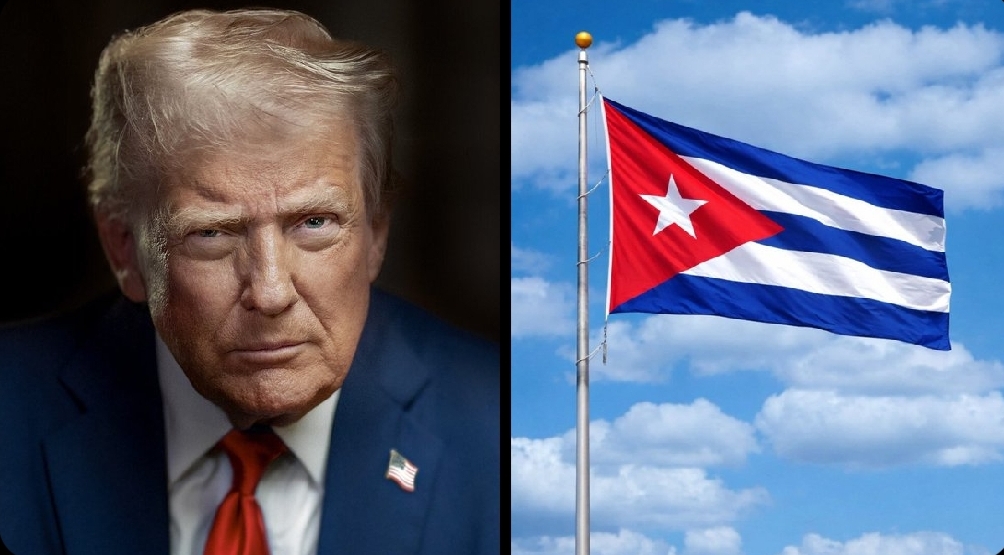
Tensions between Washington and Havana appear to be entering a new phase after U.S. President Donald Trump reportedly expressed frustration that existing pressure measures against Cuba have failed to achieve desired political outcomes, raising discussions about stronger responses, including potential military considerations.
Relations between the United States and Cuba have remained complicated for more than six decades, shaped by ideological rivalry, economic sanctions, and shifting diplomatic strategies across successive administrations. Economic restrictions were designed to pressure Cuban leadership toward political reform, yet critics argue they have produced limited systemic change while contributing to economic hardship for ordinary citizens.
The latest rhetoric signals growing impatience within sections of U.S. leadership regarding the effectiveness of long-standing sanctions policy. Analysts caution, however, that any move toward military escalation would carry significant regional consequences across Latin America and the Caribbean, where stability and migration concerns already dominate political agendas.
Historically, moments of heightened tension between Washington and Havana have triggered international diplomatic engagement aimed at preventing escalation. Whether current discussions translate into concrete policy shifts remains uncertain, but the renewed focus on Cuba suggests the issue is once again moving toward the forefront of U.S. foreign policy debates.
