
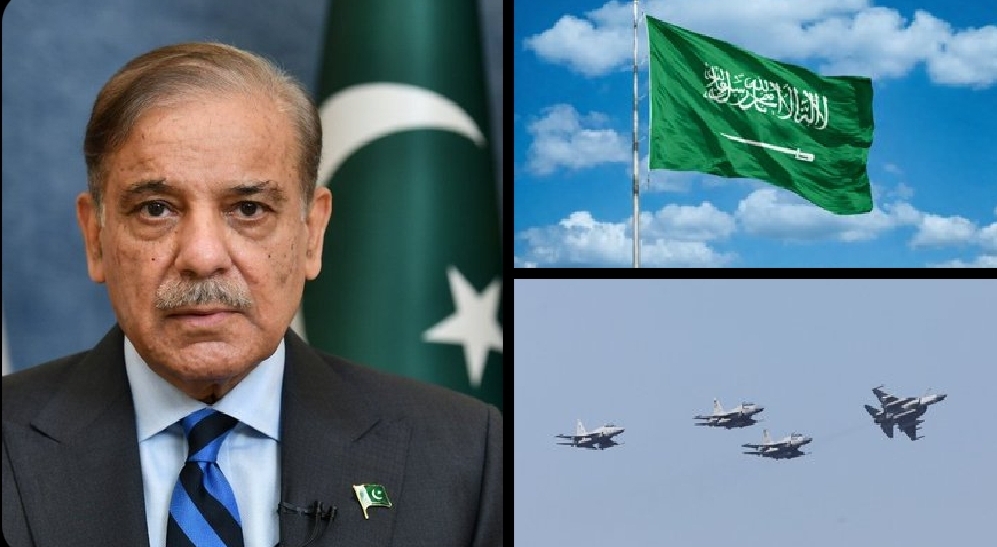
Regional security dynamics in the Middle East took a dramatic turn after Pakistan confirmed the deployment of fighter jets and thousands of military personnel to Saudi Arabia, signaling growing concern as tensions involving Iran continue to escalate. The move reflects deep military cooperation between Islamabad and Riyadh, a partnership rooted in decades of strategic defense collaboration and shared security interests.
Pakistan has historically served as a key military partner to Saudi Arabia, frequently providing training, advisory support, and defensive deployments during periods of regional instability. The latest deployment is widely interpreted by analysts as a precautionary measure aimed at strengthening Saudi defensive readiness rather than preparing for immediate offensive action. However, the timing underscores rising fears that ongoing confrontations involving Iran could expand into a broader regional conflict.
The Middle East remains one of the world’s most volatile geopolitical theaters, where proxy conflicts, energy security concerns, and competing alliances intersect. Saudi Arabia’s strategic position as one of the world’s largest oil exporters means any escalation carries global economic implications, particularly for energy prices and maritime trade routes. Pakistan’s involvement therefore signals not only regional solidarity but also an attempt to stabilize an environment where even minor confrontations risk spiraling into wider confrontation.
Observers note that military positioning often serves as deterrence diplomacy — demonstrating readiness in hopes of preventing conflict rather than initiating it. Still, the deployment highlights how fragile the regional balance has become, with multiple global powers closely monitoring developments that could reshape Middle Eastern security calculations.
