
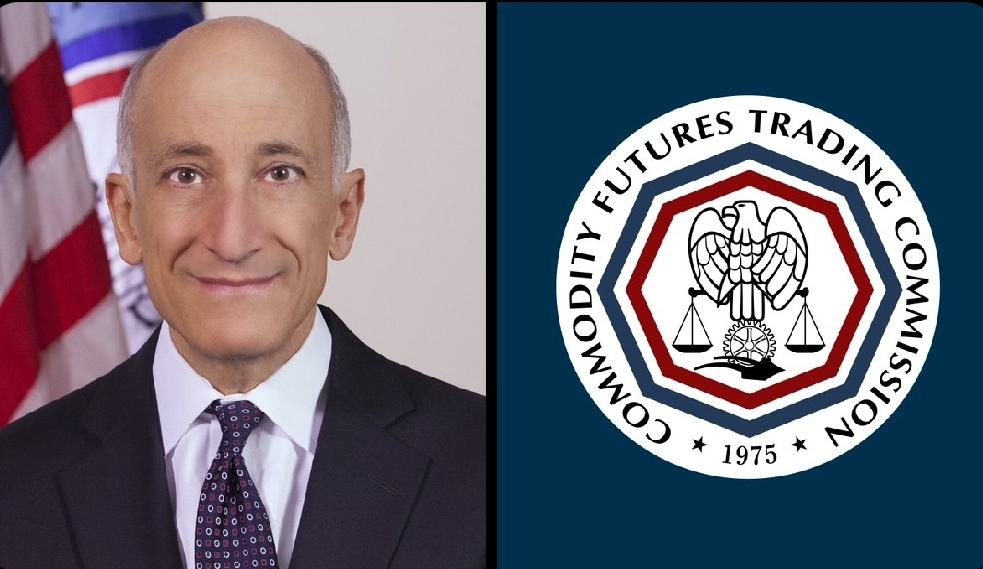
Debate over a potential U.S. central bank digital currency resurfaced after former Commodity Futures Trading Commission chairman Timothy Massad revealed that conversations about a digital dollar remain active behind closed doors among policymakers.
A central bank digital currency, often referred to as a CBDC, would represent a government-issued digital version of the U.S. dollar, combining features of traditional fiat currency with modern blockchain-inspired technology. Advocates argue that a digital dollar could modernize payment systems, reduce transaction costs, and strengthen America’s competitiveness as countries such as China advance their own digital currency projects.
However, CBDC proposals also trigger intense debate surrounding financial privacy, government surveillance concerns, and the role of commercial banks. Critics worry that direct digital accounts with central banks could disrupt traditional banking models or grant authorities excessive oversight into personal transactions.
Massad’s comments suggest that while public announcements remain cautious, policymakers continue studying how digital currencies may reshape monetary systems. As cryptocurrencies gain adoption and global financial infrastructure evolves, the possibility of a U.S. digital dollar remains one of the most consequential economic discussions unfolding largely outside public view.
