
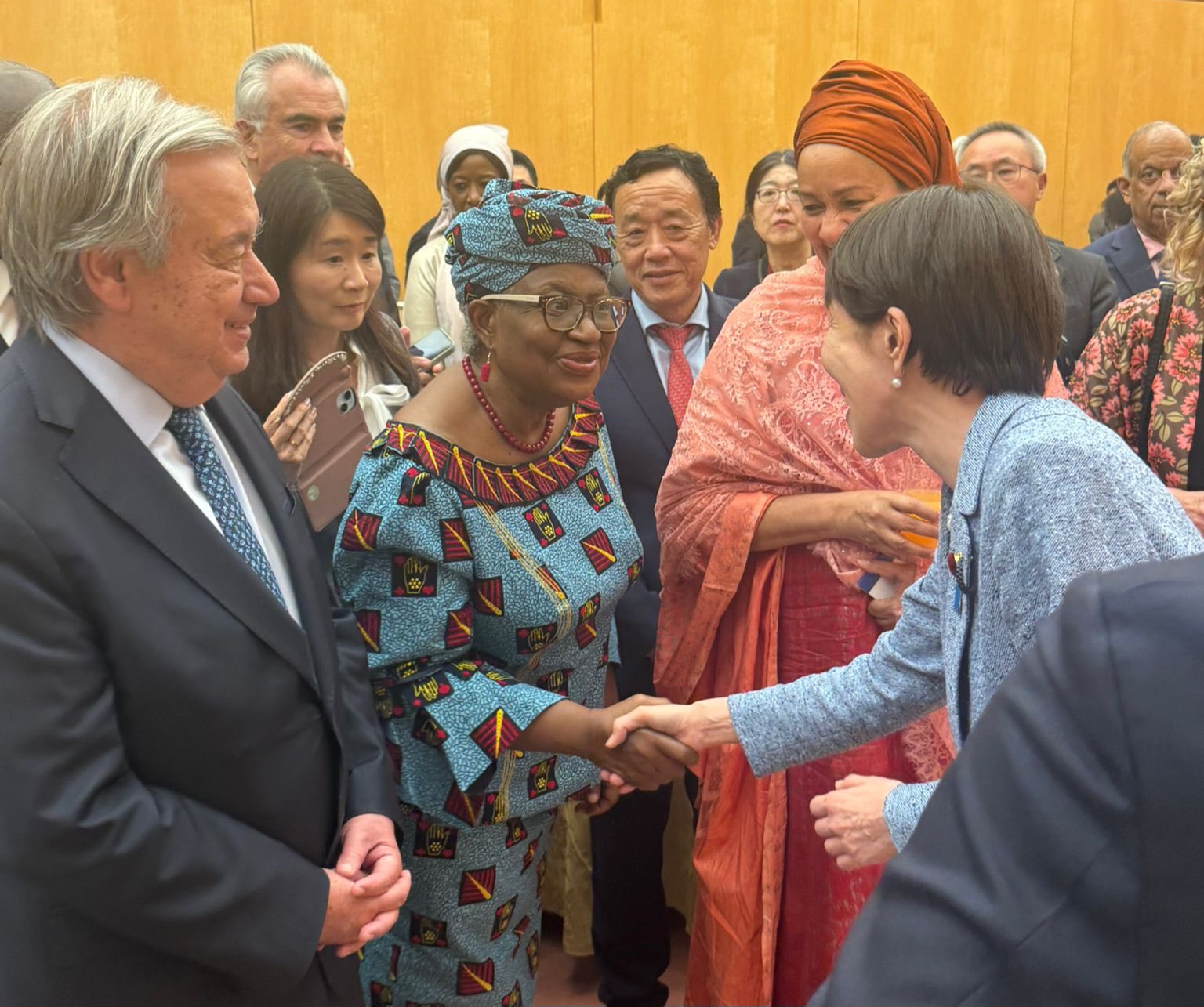
In a vibrant display of international diplomacy and cultural representation, Dr. Ngozi Okonjo-Iweala, Director-General of the World Trade Organization (WTO), has shared captivating moments from a high-profile reception in Tokyo. The event, hosted by Japanese Prime Minister Sanae Takaichi, brought together key figures from the United Nations Chief Executives Board (UNCEB) meeting, underscoring the strengthening ties between Japan and global multilateral institutions.
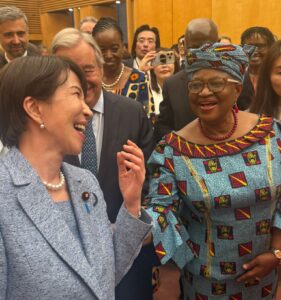
Okonjo-Iweala took to X (formerly Twitter) on May 18, 2026, to post striking photographs from the gathering. Dressed elegantly in traditional Nigerian attire, she was pictured alongside UN Secretary-General António Guterres and UN Deputy Secretary-General Amina Mohammed. The images capture warm interactions and a sense of camaraderie among these global leaders, highlighting collaborative efforts on pressing international issues. The reception served as a platform for high-level dialogue among heads of UN agencies and other dignitaries visiting Japan.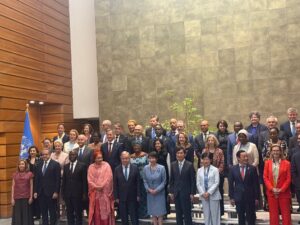
This gathering comes at a significant time, with Prime Minister Sanae Takaichi making history as Japan’s first female prime minister since assuming office in October 2025. Her hosting of the UNCEB participants reflects Japan’s commitment to multilateralism and global cooperation amid an increasingly complex world landscape. For Okonjo-Iweala, a trailblazing economist and the first African woman to lead the WTO, the event further cements her role as a pivotal voice in global economic governance and development.
The photos have resonated deeply with Nigerians and Africans worldwide, sparking widespread praise on social media. Many commended the powerful representation of African women in leadership, with comments celebrating “strong women and strong leadership in one room.” Supporters highlighted how Okonjo-Iweala and Amina Mohammed consistently embrace African cultural attire on the global stage, viewing it as a proud assertion of identity and heritage. Phrases like “Mama keep representing” and “Ndi di Proud of you” flooded the replies, reflecting national pride in their achievements.
Okonjo-Iweala’s presence at such forums is not merely symbolic. As WTO DG, she has championed reforms in global trade, advocated for developing nations, and pushed for equitable solutions to challenges ranging from food security to climate change. Her engagement in Tokyo aligns with broader efforts to foster partnerships that deliver tangible benefits to ordinary people across the globe. The UNCEB meeting itself provides a crucial venue for coordination among UN system leaders, ensuring cohesive responses to multifaceted global crises.
This moment also amplifies the visibility of female leadership across continents. With Takaichi breaking barriers in Asia and Okonjo-Iweala and Mohammed exemplifying excellence from Africa, the reception symbolized a convergence of trailblazing women steering international affairs. Observers noted the elegance and confidence exuded in the images, describing the scene as colorful and inspiring.
As reactions continue to pour in, the post has garnered tens of thousands of views and hundreds of engagements, serving as a reminder of the positive impact of cultural diplomacy. Nigerians, in particular, see it as validation of their country’s contributions to the world stage, even as they call for similar excellence and representation in domestic governance.
In an era where global challenges demand unified action, events like this reception in Tokyo reinforce the importance of inclusive leadership.
Dr. Ngozi Okonjo-Iweala continues to stand tall—not just as a Nigerian icon, but as a global stateswoman whose work and presence inspire millions. Her latest appearance adds another proud chapter to a remarkable career dedicated to service, excellence, and bridging divides.
