
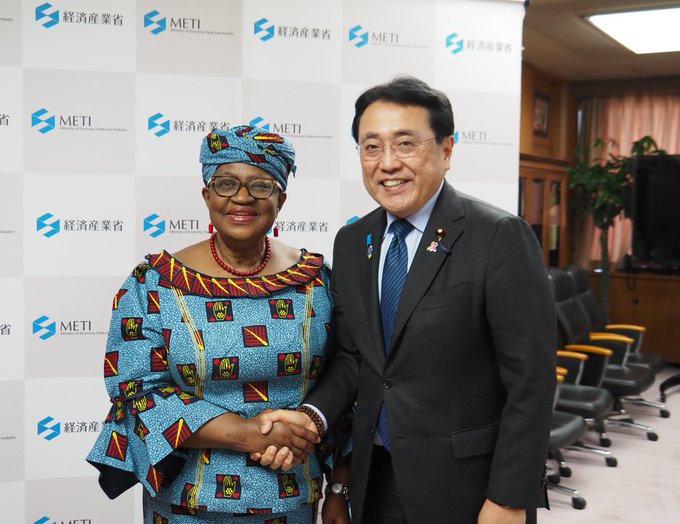
In a significant diplomatic engagement aimed at bolstering the multilateral trading system, Japan’s Minister of Economy, Trade and Industry (METI), Ryosei Akazawa, held high-level talks with World Trade Organization (WTO) Director-General Ngozi Okonjo-Iweala. The meeting underscored Japan’s commitment to reforming the WTO and ensuring it remains relevant in an era marked by rising protectionism, supply chain disruptions, and geopolitical tensions. Both leaders emphasized the urgent need to restore the organization’s functionality through targeted reforms, signaling a proactive stance from one of the world’s leading economies.The discussions between Minister Akazawa and Director-General Okonjo-Iweala centered on practical steps to strengthen the WTO’s role as the cornerstone of global trade rules. With the multilateral framework facing challenges from stalled negotiations and disputes, the two sides explored avenues to enhance dispute settlement mechanisms, improve transparency, and foster greater inclusivity for developing nations. Japan, known for its strong advocacy of rules-based trade, views these reforms as essential to navigating the complexities of today’s global economy, where traditional trade patterns are being reshaped by technology, climate goals, and shifting alliances.
A key highlight of the meeting was the strong emphasis placed on preserving the WTO moratorium on customs duties on electronic transmissions. This temporary exemption, which prevents countries from imposing tariffs on digital products such as software, data flows, and e-commerce services, is currently scheduled to potentially expire by March 2026 or at the 14th Ministerial Conference (MC14).
Minister Akazawa and Director-General Okonjo-Iweala agreed on the critical importance of extending or making this moratorium permanent, recognizing its vital role in supporting cross-border digital trade, innovation, and economic growth—particularly for small and medium-sized enterprises that rely heavily on seamless digital connectivity.
The timing of these talks is especially pertinent amid ongoing global trade tensions. From U.S.-China technological rivalries to supply chain vulnerabilities exposed by recent geopolitical events, the international community is grappling with how best to govern 21st-century trade. Both Japan and the WTO leadership affirmed their dedication to continued collaboration, aiming to build consensus among member states and prevent fragmentation of the global trading system into competing blocs. For Japan, a nation deeply integrated into global value chains through its automotive, electronics, and technology sectors, a robust WTO is not just desirable but indispensable for sustained economic prosperity.
Director-General Okonjo-Iweala has consistently championed reforms to make the WTO more responsive to contemporary challenges, including digitalization, sustainability, and inclusive growth. Her discussions with Minister Akazawa reflect a shared vision that goes beyond immediate trade issues to address long-term structural weaknesses. Observers note that Japan’s active engagement could help bridge divides between developed and developing economies, particularly on sensitive topics like digital trade rules.
As the world economy faces uncertainties ranging from inflationary pressures to the rapid evolution of artificial intelligence and data governance, initiatives like this bilateral dialogue offer a glimmer of hope for multilateral cooperation. The outcomes of such engagements could influence upcoming WTO ministerial meetings and shape the future trajectory of global commerce.
Japan’s proactive diplomacy in Geneva reinforces its position as a reliable partner in the international arena. By championing reforms and digital trade freedoms, Tokyo is not only protecting its economic interests but also contributing to a more stable and predictable global trading environment for all nations. Stakeholders across industries will be closely watching how these discussions translate into tangible progress in the months ahead.
